
Health
NIH Grants Fuel Research on Glioblastoma and Brain Fluid Dynamics

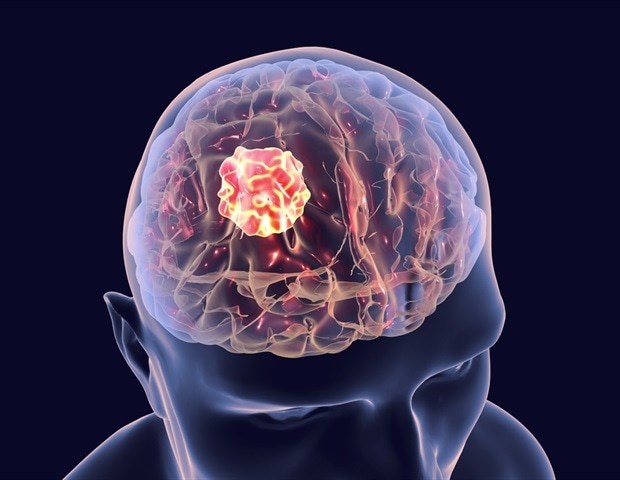
Dr. Jennifer Munson, a prominent cancer researcher at Virginia Tech’s Fralin Biomedical Research Institute, has secured two significant grants from the National Institutes of Health (NIH). These grants aim to enhance the understanding and treatment of glioblastoma, a highly aggressive brain cancer. The funding, totaling over $3 million, will support innovative projects focused on the movement of fluid surrounding tumor cells and its role in the cancer’s spread.
Understanding Fluid Dynamics in Glioblastoma
The first of the grants, a five-year award valued at $2.6 million, will investigate how the flow of interstitial fluid changes during treatment and how focused ultrasound technology can optimize therapeutic delivery. This research is vital, as glioblastoma often recurs post-surgery or radiation due to its infiltration into adjacent brain regions.
Munson’s team will explore how interstitial fluid facilitates the migration of tumor cells, which is critical in understanding how glioblastoma invades healthy tissue. By mapping the fluid flow, the researchers aim to identify potential targets for more effective treatment strategies.
The second grant, a two-year project worth $411,000, involves a collaboration with Malisa Sarntinoranont, a professor of mechanical engineering at the University of Florida. The duo aims to create a comprehensive model of the fluid-filled spaces around brain vessels, utilizing advanced MRI techniques to visualize fluid dynamics in both healthy and tumor-affected brains.
Innovations in Treatment Approaches
In this endeavor, the researchers will generate detailed flow maps that could reveal how structural elements within the brain affect the transport of cancer cells during tumor growth. The findings could lead to breakthroughs in identifying how therapies influence fluid flow and, consequently, tumor behavior.
Dr. Cheng-Chia “Fred” Wu, a radiation oncologist at the Fralin Biomedical Research Institute, is also contributing to this research by using focused ultrasound to temporarily open the blood-brain barrier, a significant obstacle in delivering cancer treatments effectively. This collaboration aims to refine ultrasound targeting to maximize drug delivery to glioblastoma tumors.
Additionally, the project will investigate the impacts of therapies like dexamethasone, a common anti-inflammatory medication, on glioblastoma progression. The outcomes may serve as biomarkers for assessing treatment efficacy and could inform individualized patient care strategies.
As part of this research initiative, the team will partner with Russell Rockne, an associate professor at the City of Hope comprehensive cancer center, to develop mathematical models predicting tumor growth and drug distribution variations in response to treatment changes.
Dr. Munson expressed optimism about the potential impact of this research, stating, “This coupling of precision identification with precision equipment is a major translational leap for our research.” By the conclusion of this project, the team anticipates developing a toolkit that elucidates how fluid dynamics influence treatment outcomes in glioblastoma, a cancer notorious for its resistance to conventional therapies.
The urgent need for effective treatments for glioblastoma, one of the most lethal forms of brain cancer, underscores the significance of these research projects. With no current effective therapies available, advancements in understanding how this cancer invades and recurs are crucial for improving patient outcomes.

Taste Test Reveals Best Mince Pies from Major UK Supermarkets

Baba Vanga Predicts Alien Contact and Global Upheaval in 2026

Astronomers Uncover the Pulsating Mystery of 3I/ATLAS

Ajax Match Abandoned After Fireworks Erupt in Stands

Asia’s Longest Domestic Flights: Some Stretch Over 3,000 Miles

Inmates Sneak in Fried Chicken Takeaways at HMP Wandsworth

Parkdean Resorts Launches Major Black Friday Discounts for 2026 Stays

Former Rockstar Employee Reveals GTA 6 Animations in Leak

Maintain Your HVAC System: Avoid Costly Repairs This Winter

Iconic 90s TV Show House Hits Market for £1.1 Million

Milk Bank Urges Mothers to Donate for Premature Babies’ Health

Alessia Russo Signs Long-Term Deal with Arsenal Ahead of WSL Season

Shoppers Flock to Discounted Neck Pillow on Amazon for Travel Comfort

Museums Body Critiques EHRC Proposals on Gender Facilities

Trump Visits Europe: Business, Politics, or Leisure?

Japanese Teen Sorato Shimizu Breaks U18 100m Record in 10 Seconds

Couple Shares Inspiring Love Story Defying Height Stereotypes

Anglian Water Raises Concerns Over Proposed AI Data Centre
-
 Entertainment2 months ago
Iconic 90s TV Show House Hits Market for £1.1 Million
-
 Lifestyle4 months ago
Milk Bank Urges Mothers to Donate for Premature Babies’ Health
-
 Sports3 months ago
Alessia Russo Signs Long-Term Deal with Arsenal Ahead of WSL Season
-
 Lifestyle4 months ago
Shoppers Flock to Discounted Neck Pillow on Amazon for Travel Comfort
-
 Politics4 months ago
Museums Body Critiques EHRC Proposals on Gender Facilities
-
 Business4 months ago
Trump Visits Europe: Business, Politics, or Leisure?
-
 Lifestyle4 months ago
Japanese Teen Sorato Shimizu Breaks U18 100m Record in 10 Seconds
-
 Politics4 months ago
Couple Shares Inspiring Love Story Defying Height Stereotypes
-
 World4 months ago
Anglian Water Raises Concerns Over Proposed AI Data Centre
-

 Sports4 months ago
Bournemouth Dominates Everton with 3-0 Victory in Premier League Summer Series
-

 World4 months ago
Wreckage of Missing Russian Passenger Plane Discovered in Flames
-

 Lifestyle4 months ago
Shoppers Rave About Roman’s £42 Midi Dress, Calling It ‘Elegant’