
Entertainment
Scientists Discover Evidence of Neurodivergence in Dogs

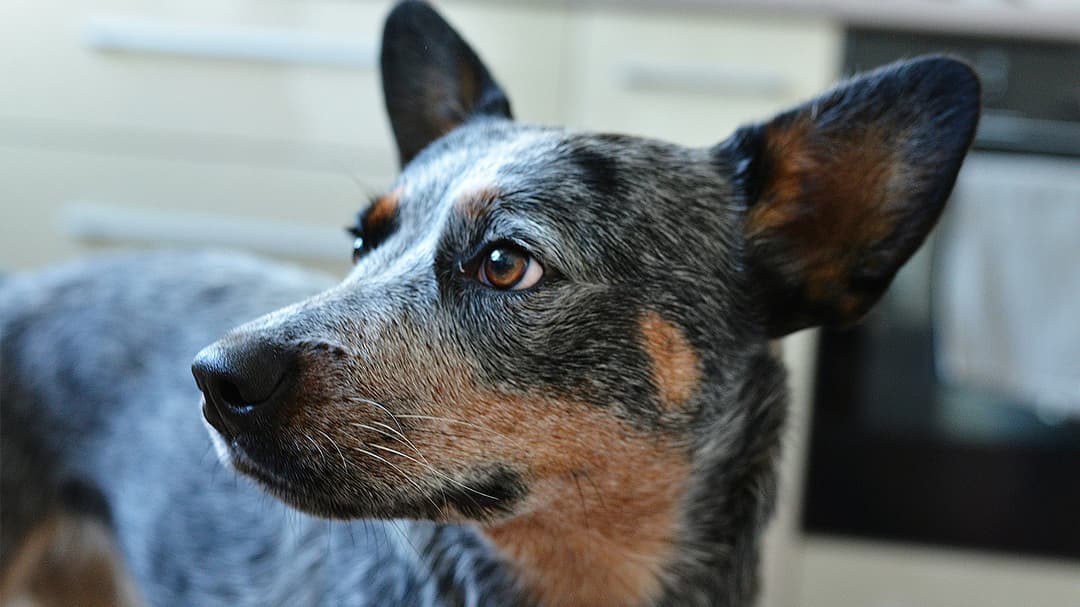
New research indicates that dogs may exhibit signs of neurodivergence, similar to conditions observed in humans. Animal scientists, led by Dr. Jacqueline Boyd from Nottingham Trent University, have gathered evidence suggesting that canines can display behaviors that align with neurodivergent traits, such as those associated with Autism Spectrum Disorder (ASD) and Attention Deficit Hyperactivity Disorder (ADHD).
Dr. Boyd’s findings challenge the long-held belief that neurodivergence is exclusive to humans. According to her, various animals, including dogs, could have brain chemistry differences akin to those seen in neurodivergent individuals. In an interview with the Daily Mail, she noted that while these behaviors in dogs are often categorized as “Canine Dysfunctional Behavior,” they may reflect underlying neurodivergent characteristics.
Behavioral Evidence of Neurodivergence
Research shows that dogs can share certain genetic mutations with humans that are linked to neurodivergent conditions. Notably, Beagles possess the Shank3 gene mutation, which is associated with autism in people. This connection highlights the possibility that some dogs may experience similar neurological differences.
Dr. Boyd explained that neurotypical humans and dogs typically exhibit synchronized brain wave activity during social interactions. However, dogs displaying neurodivergent traits often do not share this synchronization, leading to behaviors such as reduced social interaction and increased impulsivity. “Some dogs might be very much like the neurotypical human, whereas other dogs might be more neurodivergent,” she stated.
In humans, divergent reactions between serotonin and dopamine neurotransmitters can lead to symptoms like difficulty focusing and restlessness. Observations suggest that similar reactions occur in dogs, particularly those categorized as impulsive.
Understanding Canine Neurodiversity
As diagnosing neurodivergence in animals poses challenges—primarily due to their inability to communicate verbally—Dr. Boyd identifies potential neurodivergent dogs based on specific behaviors. Signs such as hypervigilance or hyperfocusing can indicate a different neurological profile. “It’s maybe less about saying whether your dog is neurodivergent and more about recognising that we have neurodiversity,” she emphasized.
This revelation about canine neurodivergence comes as part of a growing body of research exploring the cognitive and emotional lives of animals. The implications of these findings extend beyond the realm of animal behavior, prompting a reevaluation of how both pets and their owners can better understand their relationships.
The study reinforces the idea that animals, much like humans, exhibit a range of neurological characteristics. As research continues, the potential for a deeper understanding of canine behavior and its impact on human-animal relationships is becoming increasingly apparent.
In light of these discoveries, the scientific community is urged to further explore the nuances of animal cognition and behavior, recognizing the importance of neurodiversity across species.

Taste Test Reveals Best Mince Pies from Major UK Supermarkets

Baba Vanga Predicts Alien Contact and Global Upheaval in 2026

Astronomers Uncover the Pulsating Mystery of 3I/ATLAS

Ajax Match Abandoned After Fireworks Erupt in Stands

Asia’s Longest Domestic Flights: Some Stretch Over 3,000 Miles

Inmates Sneak in Fried Chicken Takeaways at HMP Wandsworth

Parkdean Resorts Launches Major Black Friday Discounts for 2026 Stays

Former Rockstar Employee Reveals GTA 6 Animations in Leak

Maintain Your HVAC System: Avoid Costly Repairs This Winter

Iconic 90s TV Show House Hits Market for £1.1 Million

Milk Bank Urges Mothers to Donate for Premature Babies’ Health

Alessia Russo Signs Long-Term Deal with Arsenal Ahead of WSL Season

Shoppers Flock to Discounted Neck Pillow on Amazon for Travel Comfort

Museums Body Critiques EHRC Proposals on Gender Facilities

Trump Visits Europe: Business, Politics, or Leisure?

Japanese Teen Sorato Shimizu Breaks U18 100m Record in 10 Seconds

Couple Shares Inspiring Love Story Defying Height Stereotypes

Anglian Water Raises Concerns Over Proposed AI Data Centre
-
 Entertainment2 months ago
Iconic 90s TV Show House Hits Market for £1.1 Million
-
 Lifestyle4 months ago
Milk Bank Urges Mothers to Donate for Premature Babies’ Health
-
 Sports3 months ago
Alessia Russo Signs Long-Term Deal with Arsenal Ahead of WSL Season
-
 Lifestyle4 months ago
Shoppers Flock to Discounted Neck Pillow on Amazon for Travel Comfort
-
 Politics4 months ago
Museums Body Critiques EHRC Proposals on Gender Facilities
-
 Business4 months ago
Trump Visits Europe: Business, Politics, or Leisure?
-
 Lifestyle4 months ago
Japanese Teen Sorato Shimizu Breaks U18 100m Record in 10 Seconds
-
 Politics4 months ago
Couple Shares Inspiring Love Story Defying Height Stereotypes
-
 World4 months ago
Anglian Water Raises Concerns Over Proposed AI Data Centre
-

 Sports4 months ago
Bournemouth Dominates Everton with 3-0 Victory in Premier League Summer Series
-

 World4 months ago
Wreckage of Missing Russian Passenger Plane Discovered in Flames
-

 Lifestyle4 months ago
Shoppers Rave About Roman’s £42 Midi Dress, Calling It ‘Elegant’