
Health
New Iron Supplement Shows Enhanced Absorption and Fewer Side Effects

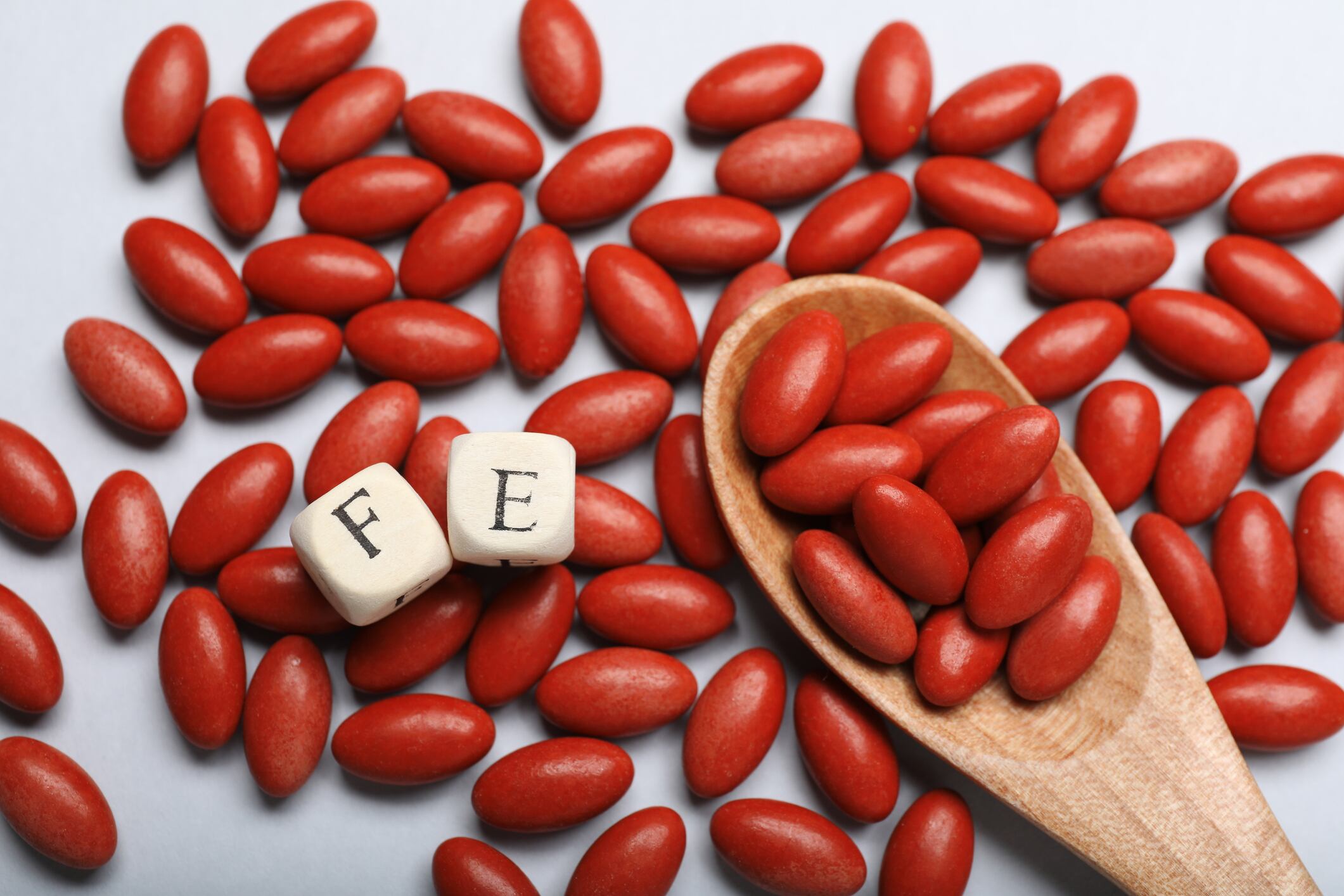
A recent study published in Scientific Reports reveals that Lubrizol’s new iron supplement formulation demonstrates significantly improved absorption and gastrointestinal tolerability compared to conventional options. The research specifically evaluated iron bioavailability in iron-deficient rats, finding that Lubrizol’s product outperformed traditional supplements such as ferrous sulfate and ferrous bisglycinate.
According to Alan Connolly, global R&D manager of nutra at Lubrizol and co-author of the study, there is an increasing interest in iron supplementation beyond pregnant women. This trend extends to men, athletes, younger women experiencing heavy menstruation, and those concerned about fatigue and skin health. Connolly stated, “From a human perspective, these results could be beneficial for sports nutrition, for either faster bulking or better energy utilization.”
The implications of this study are significant, especially considering that approximately 1.9 billion people were affected by anaemia in 2021, with iron-deficiency anaemia (IDA) being the most prevalent form. Standard iron supplements, including ferrous sulfate and gluconate, often lead to gastrointestinal side effects such as nausea and constipation, which can hinder treatment adherence.
Innovative Approach to Iron Supplementation
To address these challenges, researchers are exploring new formulations that enhance iron bioavailability while minimizing adverse effects. Connolly noted that microencapsulation technology is key to this development. This technique involves enclosing iron within a protective matrix, which not only stabilizes the ingredient but also facilitates controlled release in the gastrointestinal tract.
“Microencapsulation improves absorption and enhances sensory qualities, allowing for better tolerability by limiting contact between unabsorbed iron and gastrointestinal tissue,” Connolly explained. The study compared four iron supplements: ferrous sulfate, ferrous bisglycinate, and two forms of microencapsulated iron pyrophosphates, including Lubrizol’s branded product, Lipofer.
Researchers conducted the study using 60 male Wistar rats, of which 50 received a low-iron diet for 24 days while 10 served as controls on a regular diet. Following this phase, the iron-deficient rats were divided into five groups and given different iron supplements over a 21-day repletion period. The supplements were administered orally in low-fat condensed milk after a five-hour fasting period.
Throughout the experiment, the rats were monitored for changes in haemoglobin levels, iron content in haemoglobin, and various serum iron parameters. The study also measured inflammatory markers, including TNF-α and IL-6, to evaluate gastrointestinal tolerability.
Promising Results and Future Implications
Results indicated that all iron sources effectively corrected iron deficiency within 14 days. Notably, Lipofer exhibited a higher absorption rate than its counterparts, resulting in a significant decrease in total iron-binding capacity (TIBC) and transferrin levels, along with an increase in haemoglobin. Connolly highlighted, “All the rats recovered from anaemia within 14 days, confirming that our product is as bioavailable as ferrous sulfate and other benchmark ingredients.”
Importantly, the study found that Lubrizol’s formulation produced significantly fewer inflammatory side effects. While ferrous sulfate increased levels of IL-6, indicating intestinal irritation, Lipofer did not elicit a similar response. Connolly emphasized that the slow release of iron through microencapsulation helps to alleviate side effects by allowing for a gradual absorption process.
“Pregnant women especially struggle with tolerability. They know they need iron, but the side effects are difficult,” Connolly added. “Our product offers a gentle, effective alternative.” As awareness of iron deficiency grows, the demand for supplements that provide benefits without gastrointestinal upset is likely to increase.
The findings from this study could pave the way for advancements in iron supplementation, making it more accessible and tolerable for a broader range of individuals. As iron deficiency awareness continues to rise, innovative solutions like those developed by Lubrizol may play a crucial role in enhancing public health outcomes.
The study is documented in detail under the title “Comparative study of the effects of different iron sources on bioavailability and gastrointestinal tolerability in iron-deficient rats,” authored by R. Mariné-Casadó et al. Further exploration of these findings may lead to improved iron supplementation strategies that align with the health needs of diverse populations.

Taste Test Reveals Best Mince Pies from Major UK Supermarkets

Baba Vanga Predicts Alien Contact and Global Upheaval in 2026

Astronomers Uncover the Pulsating Mystery of 3I/ATLAS

Ajax Match Abandoned After Fireworks Erupt in Stands

Asia’s Longest Domestic Flights: Some Stretch Over 3,000 Miles

Inmates Sneak in Fried Chicken Takeaways at HMP Wandsworth

Parkdean Resorts Launches Major Black Friday Discounts for 2026 Stays

Former Rockstar Employee Reveals GTA 6 Animations in Leak

Maintain Your HVAC System: Avoid Costly Repairs This Winter

Iconic 90s TV Show House Hits Market for £1.1 Million

Milk Bank Urges Mothers to Donate for Premature Babies’ Health

Alessia Russo Signs Long-Term Deal with Arsenal Ahead of WSL Season

Shoppers Flock to Discounted Neck Pillow on Amazon for Travel Comfort

Museums Body Critiques EHRC Proposals on Gender Facilities

Trump Visits Europe: Business, Politics, or Leisure?

Japanese Teen Sorato Shimizu Breaks U18 100m Record in 10 Seconds

Couple Shares Inspiring Love Story Defying Height Stereotypes

Anglian Water Raises Concerns Over Proposed AI Data Centre
-
 Entertainment2 months ago
Iconic 90s TV Show House Hits Market for £1.1 Million
-
 Lifestyle4 months ago
Milk Bank Urges Mothers to Donate for Premature Babies’ Health
-
 Sports3 months ago
Alessia Russo Signs Long-Term Deal with Arsenal Ahead of WSL Season
-
 Lifestyle4 months ago
Shoppers Flock to Discounted Neck Pillow on Amazon for Travel Comfort
-
 Politics4 months ago
Museums Body Critiques EHRC Proposals on Gender Facilities
-
 Business4 months ago
Trump Visits Europe: Business, Politics, or Leisure?
-
 Lifestyle4 months ago
Japanese Teen Sorato Shimizu Breaks U18 100m Record in 10 Seconds
-
 Politics4 months ago
Couple Shares Inspiring Love Story Defying Height Stereotypes
-
 World4 months ago
Anglian Water Raises Concerns Over Proposed AI Data Centre
-

 Sports4 months ago
Bournemouth Dominates Everton with 3-0 Victory in Premier League Summer Series
-

 World4 months ago
Wreckage of Missing Russian Passenger Plane Discovered in Flames
-

 Lifestyle4 months ago
Shoppers Rave About Roman’s £42 Midi Dress, Calling It ‘Elegant’