
Science
New Research Reveals Complex Phases of Human Ageing

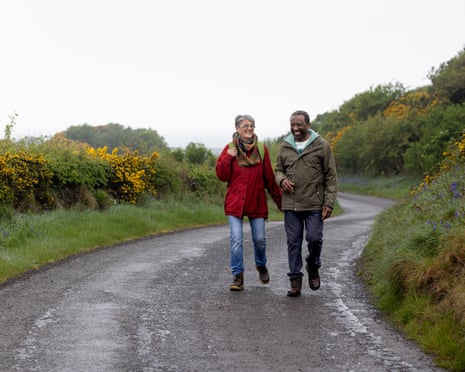
Recent studies indicate that the process of ageing is more complex than traditionally understood, suggesting that it may not follow a linear trajectory. Research published in Nature Communications has identified distinct phases of brain development, revealing significant turning points at various ages, including 9, 32, 66, and 83. This evolving perspective on ageing could have profound implications for anti-ageing therapies and our overall approach to ageing.
The latest findings highlight a prolonged “adolescent” phase from ages 9 to 32, during which brain connections strengthen and become more efficient. This period extends well into what society typically regards as adulthood. Other research has pointed to accelerated ageing in various organs around the age of 50, with metabolic changes occurring around ages 44 and 60. Notably, the skin undergoes four distinct ageing phases, while the adult immune system ages in two phases.
These insights are largely attributed to advancements in the “omics” revolution, which enables researchers to generate large datasets for comprehensive analysis of proteins, DNA, and other biological markers. This progress has been bolstered by an increase in funding and interest in ageing research, largely due to the growing elderly population worldwide.
Despite the promising nature of these findings, many studies, including a widely reported one from Stanford University, have had limited sample sizes, such as 108 participants. Consequently, claims about specific organs ageing at certain times may not be definitive. However, the collective evidence suggests that ageing is not a straightforward process.
Should the understanding of ageing shift towards recognizing it as a dynamic phenomenon, there may be opportunities for interventions that could influence these critical turning points. Currently, there is a surge of interest among tech entrepreneurs in exploring experimental treatments derived from initial research findings. While this pursuit may yield varying results, it raises an important question: should society prioritize interventions aimed at combating ageing?
The authors of the recent brain study emphasized that transitions between phases should not be viewed solely in terms of decline. Each stage, they argue, represents a different phase in the journey of the human brain. As research continues to develop a more detailed understanding of ageing, timing and application of existing preventive measures, such as cancer screenings and medications, could improve.
Focusing on wellness in conjunction with longevity may lead to healthier outcomes. If enhanced longevity results from prioritizing wellness, it could be seen as a beneficial consequence rather than a primary goal. The evolving perception of ageing holds the potential to transform our approach to health and wellness in later life, encouraging a more nuanced understanding of this universal experience.

Moyes Faces Referee Controversy Ahead of Everton vs Chelsea Clash

Man Hospitalised After Assault Outside Shop in Sandwell

Fred MacAulay and Ally McCoist Reunite for Special World Cup Show

NoOnes Targets $1 Trillion Gift Card Market to Enhance Crypto Access

Beloved Actor Matt Clark Passes Away at 89, Fans Mourn Loss

Discover How Milk Thistle Supplements Enhance Liver Health

Irish Community Care Celebrates 60 Years of Support in Liverpool

New Affordable Housing Development Planned for Crawley Site

Millions of Parking Tickets Issued Amid Calls for Reform

Claire Tomlinson Bids Farewell to Sky Sports After 27 Years

Iconic 90s TV Show House Hits Market for £1.1 Million

Nathan Cleary’s Family Celebrates Engagement Amid Romance Rumors

Tributes Flow for Kerry Gentle, Beloved RNLI Volunteer and Artist

Milk Bank Urges Mothers to Donate for Premature Babies’ Health

Shoppers Flock to Discounted Neck Pillow on Amazon for Travel Comfort

Alessia Russo Signs Long-Term Deal with Arsenal Ahead of WSL Season

Nuneaton Town FC Advances Plans for New Stadium in Stockingford

Exploring England’s Cathedrals: A Journey Through History and Architecture
-
 Lifestyle8 months ago
Claire Tomlinson Bids Farewell to Sky Sports After 27 Years
-
 Entertainment11 months ago
Iconic 90s TV Show House Hits Market for £1.1 Million
-
 Sports1 year ago
Nathan Cleary’s Family Celebrates Engagement Amid Romance Rumors
-
 Lifestyle8 months ago
Tributes Flow for Kerry Gentle, Beloved RNLI Volunteer and Artist
-
 Lifestyle1 year ago
Milk Bank Urges Mothers to Donate for Premature Babies’ Health
-
 Lifestyle1 year ago
Shoppers Flock to Discounted Neck Pillow on Amazon for Travel Comfort
-
 Sports12 months ago
Alessia Russo Signs Long-Term Deal with Arsenal Ahead of WSL Season
-
 Sports9 months ago
Nuneaton Town FC Advances Plans for New Stadium in Stockingford
-
 Lifestyle1 year ago
Exploring England’s Cathedrals: A Journey Through History and Architecture
-

 Politics1 year ago
Museums Body Critiques EHRC Proposals on Gender Facilities
-

 Business1 year ago
Trump Visits Europe: Business, Politics, or Leisure?
-

 Lifestyle1 year ago
Japanese Teen Sorato Shimizu Breaks U18 100m Record in 10 Seconds