
Business
Discover Injection Molding: The Key to Efficient Manufacturing

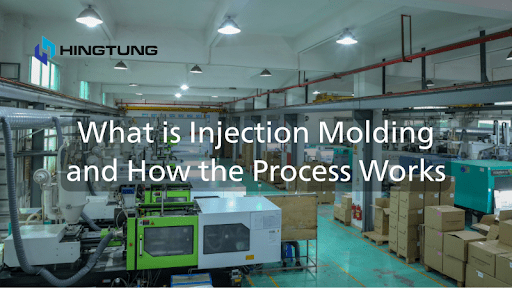
Injection molding is a dominant manufacturing process that has revolutionized production across various industries. This method involves melting plastic and injecting it into a mold, creating uniform, high-precision products on a large scale. The technology supports the efficient production of a wide range of items, including automotive parts, medical equipment, electronic casings, packaging, and consumer goods. Understanding the mechanics of injection molding and partnering with an experienced provider like Hing Tung can significantly impact production success.
Understanding Injection Molding
At its core, injection molding is designed to form products by injecting molten plastic or other materials into a durable mold. Once cooled, the material takes on the shape of the mold, making it ideal for producing high-precision items consistently. The process typically utilizes various types of plastics, including thermoplastics such as polypropylene (PP), polyethylene (PE), acrylonitrile butadiene styrene (ABS), and polycarbonate (PC).
The essential components of an injection molding machine include:
- Hopper: where raw plastic granules are loaded.
- Heated barrel and screw: which melt and push the material forward.
- Nozzle: that directs the molten material into the mold.
- Mold (tooling): which defines the product shape.
- Clamping unit: which holds the mold halves together under pressure.
- Cooling system: that solidifies the molten plastic rapidly.
Although referred to as “Plastic Injection Mold” or “Plastic Injection Mould” in various regions, the fundamental principles remain consistent worldwide.
How Injection Molding Machines Operate
An injection molding machine is engineered for precision and efficiency, designed to perform stable and repetitive processes. The typical workflow of injection molding takes a few seconds to several minutes, depending on the part’s size and complexity. Understanding the key steps in the molding process is crucial for appreciating the technology’s capabilities.
The success of injection molding relies heavily on the quality of the molds and the expertise of the manufacturer. Hing Tung offers a comprehensive range of services that are vital for successful collaboration.
Why Partner with Hing Tung?
Choosing Hing Tung for injection molding services provides numerous advantages. The company offers:
- End-to-End Capabilities: Covering everything from material sourcing and mold design to trial runs and quality control.
- Advanced Facilities: Equipped with state-of-the-art technology, including CNC gouging machines and precision milling equipment.
- One-Stop Structural Parts Solutions: Reducing supplier fragmentation and enhancing efficiency.
- Integrated Systems: Utilizing ERP, MES, and CRM platforms for optimized workflows.
- Factory Access: Clients can visit the workshop to see their projects in progress, fostering transparency and trust.
The combination of technology and experience at Hing Tung not only produces high-quality molds but also delivers long-term value and competitive advantages for various projects.
Advantages and Limitations of Injection Molding
While injection molding is a highly reliable and efficient method, it is essential to consider both its advantages and limitations. The process excels in:
- Mass Production Efficiency: Once molds are operational, production costs decrease significantly.
- Precision and Repeatability: Meeting stringent industry standards for dimensional tolerances.
- Design Flexibility: Accommodating complex shapes and various color options.
- Material Diversity: Offering a range of plastics with special properties, such as fire resistance and UV protection.
- Scalability: Capable of producing both high-volume consumer products and specialized industrial components.
However, challenges remain, including:
- High Initial Cost: Designing and manufacturing precision molds requires substantial investment.
- Lead Time for Tooling: The mold design and testing can take several weeks, extending pre-production timelines.
- Material Restrictions: Not all plastics are suitable for injection molding processes.
- Part Size Limitations: Larger components may necessitate alternative manufacturing options.
Real-World Applications of Injection Molding
Injection molding is highly regarded not only for its efficiency but also for its extensive applications across various industries. Examples include:
- Automotive Industry: Used in the production of dashboards, bumpers, cup holders, and connecting parts, ensuring lightweight and durable components that meet safety standards.
- Medical Field: Employed in creating diagnostic equipment casings and storage containers, adhering to strict requirements for precision and sterility.
- Electronics: Utilized for TV casings and computer chassis, ensuring products are both sturdy and aesthetically pleasing.
- Packaging: Bottles, caps, and cosmetic containers are manufactured with injection molds, providing lightweight, customizable, and cost-effective options.
- Agricultural Applications: Components like sprinkler heads and drip irrigation devices are produced to withstand environmental conditions.
These examples illustrate the breadth and adaptability of injection molding, highlighting its role as a backbone of modern manufacturing.
Frequently Asked Questions
In response to common inquiries regarding injection molding:
- How long does the process take? Depending on complexity, it can take 2–8 weeks. Hing Tung’s advanced systems help shorten lead times.
- Are sustainable materials used? Yes, biodegradable plastics and recyclable resins are increasingly incorporated to align with environmental goals.
- Can injection molding be used for low-volume runs? Traditionally meant for mass production, Hing Tung’s rapid tooling services make low- to mid-volume runs cost-effective.
- Is the process safe? When using proper materials and adhering to safety standards, the process is not toxic. High-quality resins ensure product safety for end use.
- How long do molds last? Standard molds can last hundreds of thousands to over a million cycles with proper maintenance.
In conclusion, injection molding stands as a cornerstone of modern manufacturing, offering efficiency, precision, and versatility. Understanding its principles and processes allows businesses to make informed decisions about product design and production. For companies seeking reliable partners, Hing Tung provides not just injection molds but also comprehensive solutions and advanced facilities. For inquiries about project requirements or to arrange a factory visit, Hing Tung is available for further discussion.

Taste Test Reveals Best Mince Pies from Major UK Supermarkets

Baba Vanga Predicts Alien Contact and Global Upheaval in 2026

Astronomers Uncover the Pulsating Mystery of 3I/ATLAS

Ajax Match Abandoned After Fireworks Erupt in Stands

Asia’s Longest Domestic Flights: Some Stretch Over 3,000 Miles

Inmates Sneak in Fried Chicken Takeaways at HMP Wandsworth

Parkdean Resorts Launches Major Black Friday Discounts for 2026 Stays

Former Rockstar Employee Reveals GTA 6 Animations in Leak

Maintain Your HVAC System: Avoid Costly Repairs This Winter

Iconic 90s TV Show House Hits Market for £1.1 Million

Milk Bank Urges Mothers to Donate for Premature Babies’ Health

Alessia Russo Signs Long-Term Deal with Arsenal Ahead of WSL Season

Shoppers Flock to Discounted Neck Pillow on Amazon for Travel Comfort

Museums Body Critiques EHRC Proposals on Gender Facilities

Trump Visits Europe: Business, Politics, or Leisure?

Japanese Teen Sorato Shimizu Breaks U18 100m Record in 10 Seconds

Couple Shares Inspiring Love Story Defying Height Stereotypes

Anglian Water Raises Concerns Over Proposed AI Data Centre
-
 Entertainment2 months ago
Iconic 90s TV Show House Hits Market for £1.1 Million
-
 Lifestyle4 months ago
Milk Bank Urges Mothers to Donate for Premature Babies’ Health
-
 Sports3 months ago
Alessia Russo Signs Long-Term Deal with Arsenal Ahead of WSL Season
-
 Lifestyle4 months ago
Shoppers Flock to Discounted Neck Pillow on Amazon for Travel Comfort
-
 Politics4 months ago
Museums Body Critiques EHRC Proposals on Gender Facilities
-
 Business4 months ago
Trump Visits Europe: Business, Politics, or Leisure?
-
 Lifestyle4 months ago
Japanese Teen Sorato Shimizu Breaks U18 100m Record in 10 Seconds
-
 Politics4 months ago
Couple Shares Inspiring Love Story Defying Height Stereotypes
-
 World4 months ago
Anglian Water Raises Concerns Over Proposed AI Data Centre
-

 Sports4 months ago
Bournemouth Dominates Everton with 3-0 Victory in Premier League Summer Series
-

 World4 months ago
Wreckage of Missing Russian Passenger Plane Discovered in Flames
-

 Lifestyle4 months ago
Shoppers Rave About Roman’s £42 Midi Dress, Calling It ‘Elegant’