
Health
High Junk Food Consumption Linked to Increased Depression Risk

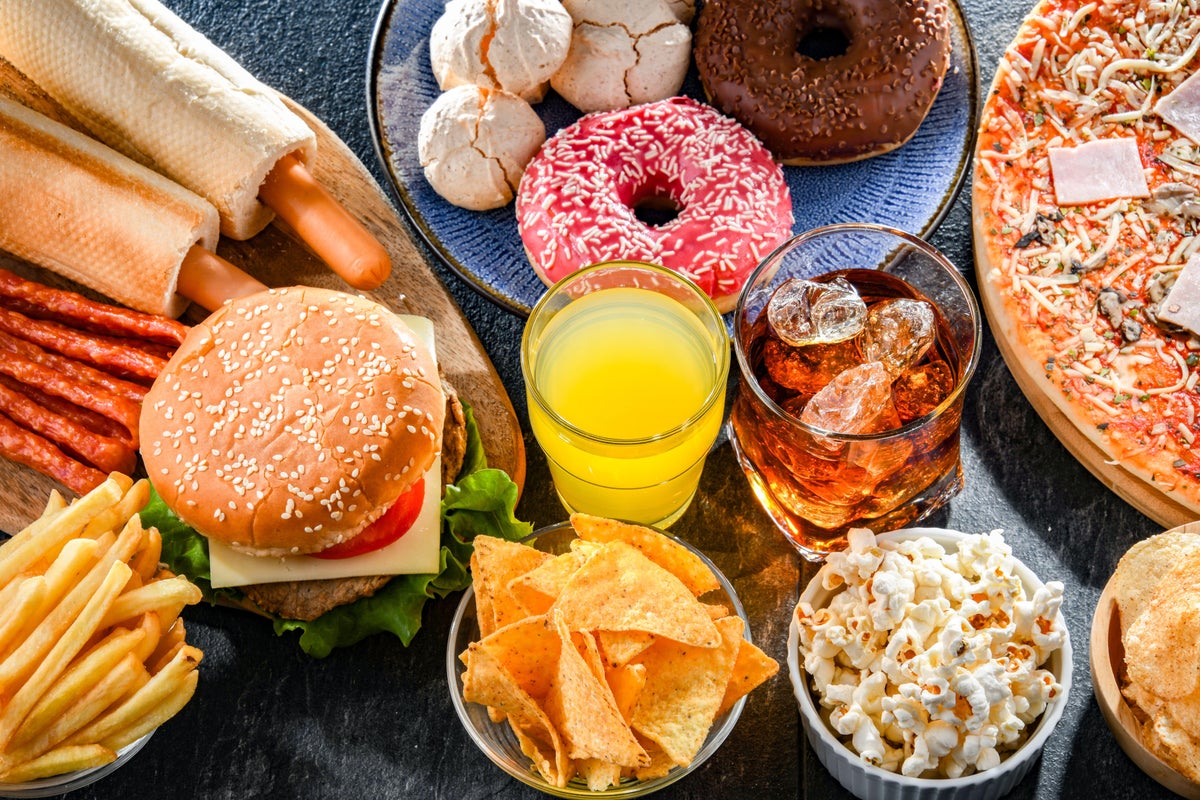
New research indicates that a diet high in junk food could lead to an increased risk of depression. Studies show that excessive consumption of ultra-processed foods (UPFs) may significantly contribute to mental health issues, including depression and anxiety. Published in the American Journal of Medicine, the findings reveal that approximately 53 percent of individuals who consume UPFs multiple times a day experience mental distress, compared to only 18 percent of those who rarely or never eat such foods.
Depression is a serious condition that affects around 280 million people globally. It is characterized by persistent feelings of sadness and a loss of interest in daily activities. The authors of the study emphasize that the link between UPF consumption and depression remains significant even after accounting for various potential confounders.
Understanding the Connection Between Diet and Mental Health
Several factors may explain why a diet rich in UPFs can lead to lower mood. For instance, artificial sweeteners and sugary beverages can cause spikes in blood sugar levels, which may negatively affect mental health. Additionally, UPFs often lack essential nutrients such as vitamins B and D, along with Omega 3 fatty acids. These deficiencies can further contribute to mood disorders.
Researchers also highlight the importance of gut health in relation to mental well-being. The gut microbiome plays a crucial role in regulating various aspects of human physiology, including metabolism and immunity. The study notes that the gut microbiota of individuals with depression significantly differs from that of healthy individuals. The authors conclude that intestinal bacteria may interact with the nervous system, potentially leading to depressive symptoms.
A report from the Center for Disease Control earlier this year revealed that over half of the average American diet consists of UPFs. Among younger individuals aged one to 18 years, the percentage of calories consumed from ultra-processed foods is even higher at 61 percent, compared to 53 percent in adults aged 19 and older. The report identified sandwiches, burgers, sweet bakery items, savory snacks, and sweetened beverages as the top sources of calories derived from UPFs.
Implications for Public Health and Policy
The findings from the study published in the American Journal of Medicine carry significant implications for public health. The authors argue that food policymakers should discourage the consumption of UPFs and promote fresh, minimally processed foods instead. A separate study published in The Lancet warns that relying solely on education and individual behavior changes is insufficient to address the issue.
According to the authors of that study, “Deteriorating diets are an urgent public health threat that requires coordinated policies and advocacy to regulate and reduce ultra-processed foods and improve access to fresh and minimally processed foods.” As the evidence mounts regarding the health risks associated with UPFs, it becomes increasingly clear that tackling this issue is vital for enhancing both physical and mental health in the population.

Taste Test Reveals Best Mince Pies from Major UK Supermarkets

Baba Vanga Predicts Alien Contact and Global Upheaval in 2026

Astronomers Uncover the Pulsating Mystery of 3I/ATLAS

Ajax Match Abandoned After Fireworks Erupt in Stands

Asia’s Longest Domestic Flights: Some Stretch Over 3,000 Miles

Inmates Sneak in Fried Chicken Takeaways at HMP Wandsworth

Parkdean Resorts Launches Major Black Friday Discounts for 2026 Stays

Former Rockstar Employee Reveals GTA 6 Animations in Leak

Maintain Your HVAC System: Avoid Costly Repairs This Winter

Iconic 90s TV Show House Hits Market for £1.1 Million

Milk Bank Urges Mothers to Donate for Premature Babies’ Health

Alessia Russo Signs Long-Term Deal with Arsenal Ahead of WSL Season

Shoppers Flock to Discounted Neck Pillow on Amazon for Travel Comfort

Museums Body Critiques EHRC Proposals on Gender Facilities

Trump Visits Europe: Business, Politics, or Leisure?

Japanese Teen Sorato Shimizu Breaks U18 100m Record in 10 Seconds

Couple Shares Inspiring Love Story Defying Height Stereotypes

Anglian Water Raises Concerns Over Proposed AI Data Centre
-
 Entertainment2 months ago
Iconic 90s TV Show House Hits Market for £1.1 Million
-
 Lifestyle4 months ago
Milk Bank Urges Mothers to Donate for Premature Babies’ Health
-
 Sports3 months ago
Alessia Russo Signs Long-Term Deal with Arsenal Ahead of WSL Season
-
 Lifestyle4 months ago
Shoppers Flock to Discounted Neck Pillow on Amazon for Travel Comfort
-
 Politics4 months ago
Museums Body Critiques EHRC Proposals on Gender Facilities
-
 Business4 months ago
Trump Visits Europe: Business, Politics, or Leisure?
-
 Lifestyle4 months ago
Japanese Teen Sorato Shimizu Breaks U18 100m Record in 10 Seconds
-
 Politics4 months ago
Couple Shares Inspiring Love Story Defying Height Stereotypes
-
 World4 months ago
Anglian Water Raises Concerns Over Proposed AI Data Centre
-

 Sports4 months ago
Bournemouth Dominates Everton with 3-0 Victory in Premier League Summer Series
-

 World4 months ago
Wreckage of Missing Russian Passenger Plane Discovered in Flames
-

 Lifestyle4 months ago
Shoppers Rave About Roman’s £42 Midi Dress, Calling It ‘Elegant’