
Health
Myosin II Unveils Temperature Impact on Immune Cell Activity

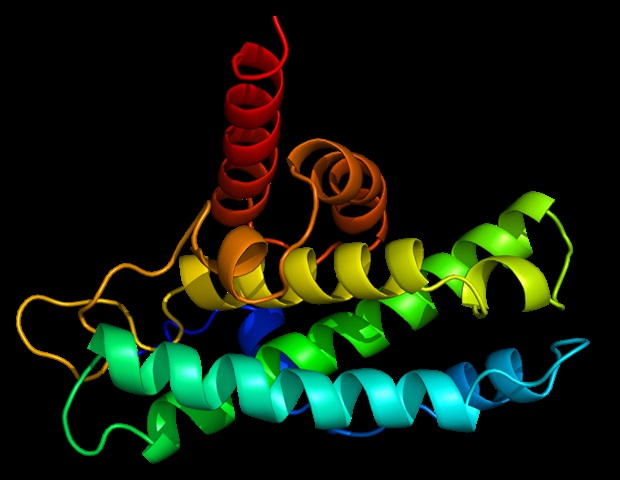
Research conducted by Stefan Wieser and his team at the University of Innsbruck has revealed a critical connection between temperature and immune cell activity, specifically how the motor protein Myosin II regulates temperature sensitivity in these cells. Their findings, published in the journal Developmental Cell, highlight the significance of temperature as a physiological factor influencing immune responses.
For years, the relationship between temperature and immune cell movement has been an area of curiosity. Wieser, during his earlier studies at the Institute of Science and Technology Austria, discovered a striking phenomenon: as the temperature in cell cultures increased from 20 °C to 40 °C, the motility of immune cells changed dramatically. At lower temperatures, movement nearly ceased, while warmer conditions prompted swift movement. This observation laid the groundwork for further exploration into the molecular mechanisms involved.
Uncovering the Mechanism
Wieser, now leading the Quantitative Biology (QBIO) group at the University of Innsbruck, partnered with Verena Ruprecht to delve deeper into this intriguing phenomenon. Their systematic research spanned various models, including cell cultures and living organisms like zebrafish and mice, utilizing advanced imaging techniques such as a custom-built thermo-microscope to analyze temperature effects on immune cells.
The study identified that human leukocytes, including T cells, macrophages, dendritic cells, and neutrophils, exhibited a remarkable increase in migration speed as temperatures rose from 25 °C to 41 °C. Specifically, migration speed surged by up to tenfold, significantly enhancing the efficiency of immune responses. This rapid response to thermal changes occurred almost instantaneously, indicating a biophysical mechanism rather than a slower gene-regulation process.
Implications for Immunology
The research pinpointed the role of Myosin II, a well-known motor protein involved in cell motility and division. As temperatures exceed 37 °C, Myosin II enhances its mechanical force generation through ATP, thus facilitating quicker movement of immune cells. This mechanism positions Myosin II as a pivotal factor in driving effective immune responses during fever-like conditions.
Wieser emphasizes the importance of these findings, stating, “Our study shows that temperature is a crucial physiological control parameter that autonomously modulates both speed and morphological dynamics at the single-cell level in warm- and cold-blooded species alike.” This research not only offers insights into immune cell behavior but also opens avenues for future investigations in physiology and immunology.
The article serves as a critical advancement in understanding how temperature influences immune functionality, potentially guiding the development of new therapeutic strategies targeting immune responses. The study lays a foundation for further exploration into the intricate relationship between environmental factors and immune system performance.

Taste Test Reveals Best Mince Pies from Major UK Supermarkets

Baba Vanga Predicts Alien Contact and Global Upheaval in 2026

Astronomers Uncover the Pulsating Mystery of 3I/ATLAS

Ajax Match Abandoned After Fireworks Erupt in Stands

Asia’s Longest Domestic Flights: Some Stretch Over 3,000 Miles

Inmates Sneak in Fried Chicken Takeaways at HMP Wandsworth

Parkdean Resorts Launches Major Black Friday Discounts for 2026 Stays

Former Rockstar Employee Reveals GTA 6 Animations in Leak

Maintain Your HVAC System: Avoid Costly Repairs This Winter

Iconic 90s TV Show House Hits Market for £1.1 Million

Milk Bank Urges Mothers to Donate for Premature Babies’ Health

Alessia Russo Signs Long-Term Deal with Arsenal Ahead of WSL Season

Shoppers Flock to Discounted Neck Pillow on Amazon for Travel Comfort

Museums Body Critiques EHRC Proposals on Gender Facilities

Trump Visits Europe: Business, Politics, or Leisure?

Japanese Teen Sorato Shimizu Breaks U18 100m Record in 10 Seconds

Couple Shares Inspiring Love Story Defying Height Stereotypes

Anglian Water Raises Concerns Over Proposed AI Data Centre
-
 Entertainment2 months ago
Iconic 90s TV Show House Hits Market for £1.1 Million
-
 Lifestyle4 months ago
Milk Bank Urges Mothers to Donate for Premature Babies’ Health
-
 Sports3 months ago
Alessia Russo Signs Long-Term Deal with Arsenal Ahead of WSL Season
-
 Lifestyle4 months ago
Shoppers Flock to Discounted Neck Pillow on Amazon for Travel Comfort
-
 Politics4 months ago
Museums Body Critiques EHRC Proposals on Gender Facilities
-
 Business4 months ago
Trump Visits Europe: Business, Politics, or Leisure?
-
 Lifestyle4 months ago
Japanese Teen Sorato Shimizu Breaks U18 100m Record in 10 Seconds
-
 Politics4 months ago
Couple Shares Inspiring Love Story Defying Height Stereotypes
-
 World4 months ago
Anglian Water Raises Concerns Over Proposed AI Data Centre
-

 Sports4 months ago
Bournemouth Dominates Everton with 3-0 Victory in Premier League Summer Series
-

 World4 months ago
Wreckage of Missing Russian Passenger Plane Discovered in Flames
-

 Lifestyle4 months ago
Shoppers Rave About Roman’s £42 Midi Dress, Calling It ‘Elegant’