
Lifestyle
Urgent Warning Issued Over Salmonella Outbreak Linked to Tomatoes

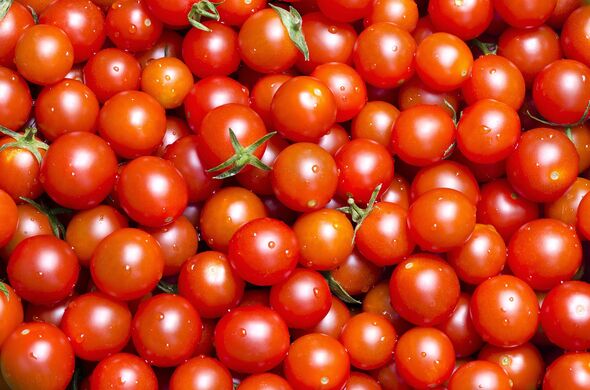
A significant health alert has been issued regarding the consumption of tomatoes, particularly cherry tomatoes, which have been linked to multiple food poisoning outbreaks across Europe. Research spearheaded by the European Centre for Disease Prevention and Control (ECDC) indicates that these tomatoes are responsible for outbreaks of Salmonella in at least 17 countries, with a notable concentration of cases in the United Kingdom.
Between 2011 and 2024, the ECDC documented 643 outbreaks associated with these fruits. The majority of these cases occurred in the last two years, underscoring a troubling trend. The findings were published in the scientific journal Eurosurveillance, highlighting that the actual number of infections might be “substantially higher” than reported.
The research identified a common source of contamination: small tomatoes sourced from Sicily. The team emphasized that tomatoes have likely served as the vehicle for Salmonella transmission across most, if not all, of the years studied. They cautioned that washing the tomatoes prior to consumption may not provide adequate protection against Salmonella Strathcona, a strain that can lead to severe gastrointestinal symptoms including painful stomach cramps, diarrhoea, fever, vomiting, and headaches.
Health Risks and Recommendations
The ECDC’s findings come at a critical time, as the UK Health Security Agency (UKHSA) recently reported nearly 30 cases of Salmonella in Britain linked to the latest outbreak. Most incidents of these infections typically peak during the summer months, particularly between June and October. The agency noted, “The recurrence of cases in 2025, including those without travel history, suggests ongoing transmission and distribution of contaminated produce beyond Italy.” This widespread presence necessitates robust surveillance and coordinated responses across different sectors to combat the issue.
The texture of tomatoes allows bacteria to cling easily to their surface, posing an increased risk since they are often consumed raw. Gauri Godbole, deputy director and gastrointestinal infections specialist at the UKHSA, explained, “Salmonellosis is often caused by eating or handling contaminated food and can be rarely spread from person-to-person.” She advises anyone experiencing symptoms to contact their general practitioner or an out-of-hours service.
To mitigate the risks associated with Salmonella, health experts recommend simple yet effective hygiene practices. These include washing hands thoroughly after using the bathroom and before food preparation, cooking food thoroughly, and avoiding food handling if symptomatic.
The ECDC’s call for “stringent control measures at the source” reflects the urgent need to address these contamination issues effectively. The public is advised to remain vigilant and informed about the potential risks associated with consuming tomatoes, particularly those sourced from regions with known contamination issues.

Taste Test Reveals Best Mince Pies from Major UK Supermarkets

Baba Vanga Predicts Alien Contact and Global Upheaval in 2026

Astronomers Uncover the Pulsating Mystery of 3I/ATLAS

Ajax Match Abandoned After Fireworks Erupt in Stands

Asia’s Longest Domestic Flights: Some Stretch Over 3,000 Miles

Inmates Sneak in Fried Chicken Takeaways at HMP Wandsworth

Parkdean Resorts Launches Major Black Friday Discounts for 2026 Stays

Former Rockstar Employee Reveals GTA 6 Animations in Leak

Maintain Your HVAC System: Avoid Costly Repairs This Winter

Iconic 90s TV Show House Hits Market for £1.1 Million

Milk Bank Urges Mothers to Donate for Premature Babies’ Health

Alessia Russo Signs Long-Term Deal with Arsenal Ahead of WSL Season

Shoppers Flock to Discounted Neck Pillow on Amazon for Travel Comfort

Museums Body Critiques EHRC Proposals on Gender Facilities

Trump Visits Europe: Business, Politics, or Leisure?

Japanese Teen Sorato Shimizu Breaks U18 100m Record in 10 Seconds

Couple Shares Inspiring Love Story Defying Height Stereotypes

Anglian Water Raises Concerns Over Proposed AI Data Centre
-
 Entertainment2 months ago
Iconic 90s TV Show House Hits Market for £1.1 Million
-
 Lifestyle4 months ago
Milk Bank Urges Mothers to Donate for Premature Babies’ Health
-
 Sports3 months ago
Alessia Russo Signs Long-Term Deal with Arsenal Ahead of WSL Season
-
 Lifestyle4 months ago
Shoppers Flock to Discounted Neck Pillow on Amazon for Travel Comfort
-
 Politics4 months ago
Museums Body Critiques EHRC Proposals on Gender Facilities
-
 Business4 months ago
Trump Visits Europe: Business, Politics, or Leisure?
-
 Lifestyle4 months ago
Japanese Teen Sorato Shimizu Breaks U18 100m Record in 10 Seconds
-
 Politics4 months ago
Couple Shares Inspiring Love Story Defying Height Stereotypes
-
 World4 months ago
Anglian Water Raises Concerns Over Proposed AI Data Centre
-

 Sports4 months ago
Bournemouth Dominates Everton with 3-0 Victory in Premier League Summer Series
-

 World4 months ago
Wreckage of Missing Russian Passenger Plane Discovered in Flames
-

 Lifestyle4 months ago
Shoppers Rave About Roman’s £42 Midi Dress, Calling It ‘Elegant’