
Politics
Controversy Erupts as 350,000 Migrant Families Face Welfare Boost

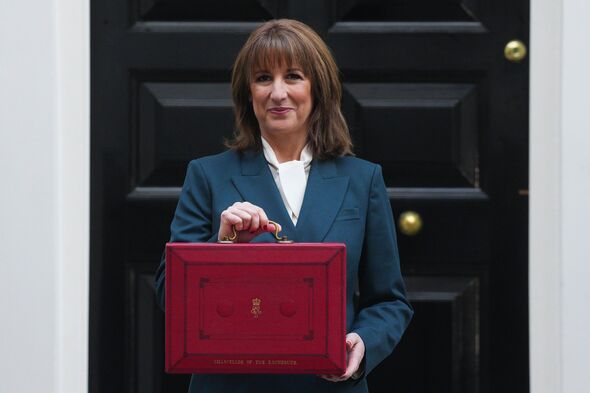
Nearly 350,000 foreign-born families in the UK could receive increased welfare benefits following the recent Budget introduced by Rachel Reeves. A new analysis indicates that this move, which includes the controversial decision to abolish the two-child benefit cap, could significantly impact the welfare system, with almost 200,000 families hailing from just ten countries, including Pakistan, Bangladesh, and Nigeria.
The financial implications of the Budget are substantial, with the government allocating £3 billion to support these changes. Critics argue that this decision prioritizes non-resident families over British taxpayers. Nick Timothy, a Conservative MP and author of the research, expressed his concerns in an interview with The Sun, questioning the government’s priorities. “You have to ask whose side this Government is on,” he stated, referencing the government’s earlier commitments regarding taxation and welfare spending.
Timothy criticized the government for increasing welfare expenditures while ignoring the financial strain on working families. He added, “They promised not to put up taxes after their first disastrous Budget, which itself broke their tax promises made before the general election.”
The Budget, presented last month, also included a £26 billion tax increase, which is intended to fund various welfare programs. This has raised concerns among some policymakers about the sustainability of such spending, particularly for families who contribute to the system through taxes.
In a related statement, Zia Yusuf, the policy chief for Reform UK, highlighted the data indicating that many of the beneficiaries of the new policy are foreign national families, many of whom are unemployed. “It is totally unfair for British families and taxpayers to have to pay for that,” Yusuf asserted, emphasizing the principle that individuals should contribute to the system to benefit from it.
The Prime Minister, Sir Keir Starmer, defended the changes, arguing that they will help lift hundreds of thousands of children out of poverty. He maintained that the new measures are aimed at supporting the most vulnerable in society. In response to the backlash, a government spokesperson stated that the proportion of Universal Credit claimants who are foreign nationals has decreased since October 2024. The spokesperson also mentioned that consultations will occur regarding potential restrictions on migrants’ access to benefits if they are not contributing economically to the UK.
As the debate continues, the implications of these welfare changes will likely spark further discussions about immigration, taxation, and social responsibility in the UK.

Scientists Utilize AI to Enhance Crop Resilience Amid Climate Change

Lando Norris Celebrates F1 Championship Victory with McMuffin

Jonny Evans Leaves Manchester United Role After Six Months

Developer Confirms Transformation of Colwyn Bay Civic Centre

110 Palestinians Die in Israeli Prisons Under Ben Gvir’s Policies

Study Examines Collegiate Athletes’ Motivations in Dual Roles

Falklands Islands Set to Launch Oil Production Amid Tensions

Lammy Advocates for Judge-Only Trials to Combat Fraud Faster

New Leadership in Londonderry Chamber Aims to Boost Economy

Iconic 90s TV Show House Hits Market for £1.1 Million

Milk Bank Urges Mothers to Donate for Premature Babies’ Health

Alessia Russo Signs Long-Term Deal with Arsenal Ahead of WSL Season

Shoppers Flock to Discounted Neck Pillow on Amazon for Travel Comfort

Museums Body Critiques EHRC Proposals on Gender Facilities

Trump Visits Europe: Business, Politics, or Leisure?

Japanese Teen Sorato Shimizu Breaks U18 100m Record in 10 Seconds

Couple Shares Inspiring Love Story Defying Height Stereotypes

Anglian Water Raises Concerns Over Proposed AI Data Centre
-
 Entertainment2 months ago
Iconic 90s TV Show House Hits Market for £1.1 Million
-
 Lifestyle4 months ago
Milk Bank Urges Mothers to Donate for Premature Babies’ Health
-
 Sports3 months ago
Alessia Russo Signs Long-Term Deal with Arsenal Ahead of WSL Season
-
 Lifestyle4 months ago
Shoppers Flock to Discounted Neck Pillow on Amazon for Travel Comfort
-
 Politics4 months ago
Museums Body Critiques EHRC Proposals on Gender Facilities
-
 Business4 months ago
Trump Visits Europe: Business, Politics, or Leisure?
-
 Lifestyle4 months ago
Japanese Teen Sorato Shimizu Breaks U18 100m Record in 10 Seconds
-
 Politics4 months ago
Couple Shares Inspiring Love Story Defying Height Stereotypes
-
 World4 months ago
Anglian Water Raises Concerns Over Proposed AI Data Centre
-

 Sports4 months ago
Nathan Cleary’s Family Celebrates Engagement Amid Romance Rumors
-

 Sports4 months ago
Bournemouth Dominates Everton with 3-0 Victory in Premier League Summer Series
-

 World5 months ago
Wreckage of Missing Russian Passenger Plane Discovered in Flames