
Politics
Millions of Drivers Question DVLA Notification for Eyewear Use

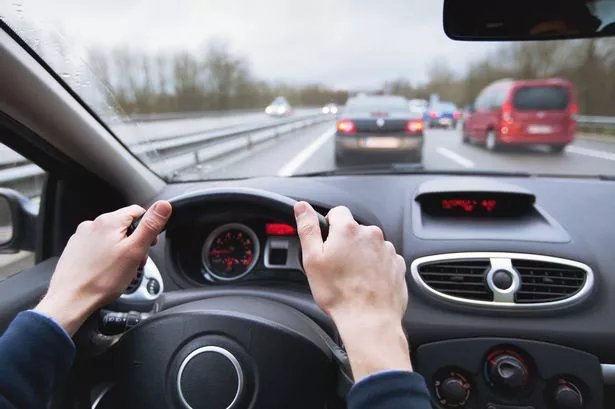
Millions of drivers across the UK are grappling with uncertainty about whether they need to notify the Driver and Vehicle Licensing Agency (DVLA) when they begin wearing glasses or contact lenses for driving. A recent analysis of Google search trends indicates that this inquiry is among the most frequently posed questions by motorists.
With many individuals newly adopting corrective eyewear, the confusion surrounding DVLA notification is prevalent. While drivers do not need to inform the DVLA if they have started wearing glasses, there are specific conditions that must be disclosed when applying for or renewing a driving licence.
Understanding DVLA Requirements for Eyewear
According to Specsavers, there is no obligation to inform the DVLA about the need for glasses for driving purposes after an initial application. However, it is important for drivers to declare their need for corrective lenses when applying for a new licence, particularly when reaching significant age milestones, such as turning 70 years old. In such cases, the driving licence is usually marked with code 01, signifying the requirement for glasses.
Motorists must notify the DVLA of any eye conditions that could impair their ability to drive safely. This regulation is underscored by ongoing discussions within the UK government regarding potential mandatory eyesight tests for drivers over 70, reflecting growing concerns about the safety of older drivers on the road.
Consequences of Non-Compliance
Tina Patel, an optician with Feel Good Contacts, highlighted the risks associated with failing to comply with DVLA regulations. Drivers who possess the 01 code on their licence must be diligent in wearing their corrective lenses while operating a vehicle. If caught driving without glasses or contact lenses, individuals could face immediate penalties. These fines can reach up to £1,000, and offenders may incur three points on their licence. In more severe cases, a driver’s licence could be revoked for breaching the Highway Code.
Furthermore, failing to adhere to these regulations could have implications for car insurance policies. If a driver is involved in an accident and is unable to produce the necessary corrective lenses, their insurance may be rendered invalid, resulting in significant financial repercussions.
The complexity surrounding the DVLA’s requirements for drivers using corrective eyewear underscores the necessity for clear communication and understanding among motorists. As discussions on safety regulations evolve, it remains crucial for drivers to stay informed and compliant with the latest guidelines to ensure both their safety and that of others on the road.

Taste Test Reveals Best Mince Pies from Major UK Supermarkets

Baba Vanga Predicts Alien Contact and Global Upheaval in 2026

Astronomers Uncover the Pulsating Mystery of 3I/ATLAS

Ajax Match Abandoned After Fireworks Erupt in Stands

Asia’s Longest Domestic Flights: Some Stretch Over 3,000 Miles

Inmates Sneak in Fried Chicken Takeaways at HMP Wandsworth

Parkdean Resorts Launches Major Black Friday Discounts for 2026 Stays

Former Rockstar Employee Reveals GTA 6 Animations in Leak

Maintain Your HVAC System: Avoid Costly Repairs This Winter

Iconic 90s TV Show House Hits Market for £1.1 Million

Milk Bank Urges Mothers to Donate for Premature Babies’ Health

Alessia Russo Signs Long-Term Deal with Arsenal Ahead of WSL Season

Shoppers Flock to Discounted Neck Pillow on Amazon for Travel Comfort

Museums Body Critiques EHRC Proposals on Gender Facilities

Trump Visits Europe: Business, Politics, or Leisure?

Japanese Teen Sorato Shimizu Breaks U18 100m Record in 10 Seconds

Couple Shares Inspiring Love Story Defying Height Stereotypes

Anglian Water Raises Concerns Over Proposed AI Data Centre
-
 Entertainment2 months ago
Iconic 90s TV Show House Hits Market for £1.1 Million
-
 Lifestyle4 months ago
Milk Bank Urges Mothers to Donate for Premature Babies’ Health
-
 Sports3 months ago
Alessia Russo Signs Long-Term Deal with Arsenal Ahead of WSL Season
-
 Lifestyle4 months ago
Shoppers Flock to Discounted Neck Pillow on Amazon for Travel Comfort
-
 Politics4 months ago
Museums Body Critiques EHRC Proposals on Gender Facilities
-
 Business4 months ago
Trump Visits Europe: Business, Politics, or Leisure?
-
 Lifestyle4 months ago
Japanese Teen Sorato Shimizu Breaks U18 100m Record in 10 Seconds
-
 Politics4 months ago
Couple Shares Inspiring Love Story Defying Height Stereotypes
-
 World4 months ago
Anglian Water Raises Concerns Over Proposed AI Data Centre
-

 Sports4 months ago
Bournemouth Dominates Everton with 3-0 Victory in Premier League Summer Series
-

 World4 months ago
Wreckage of Missing Russian Passenger Plane Discovered in Flames
-

 Lifestyle4 months ago
Shoppers Rave About Roman’s £42 Midi Dress, Calling It ‘Elegant’