
Politics
US Extends Lukoil Sanctions Waiver as Oil Giant Seeks Asset Sale

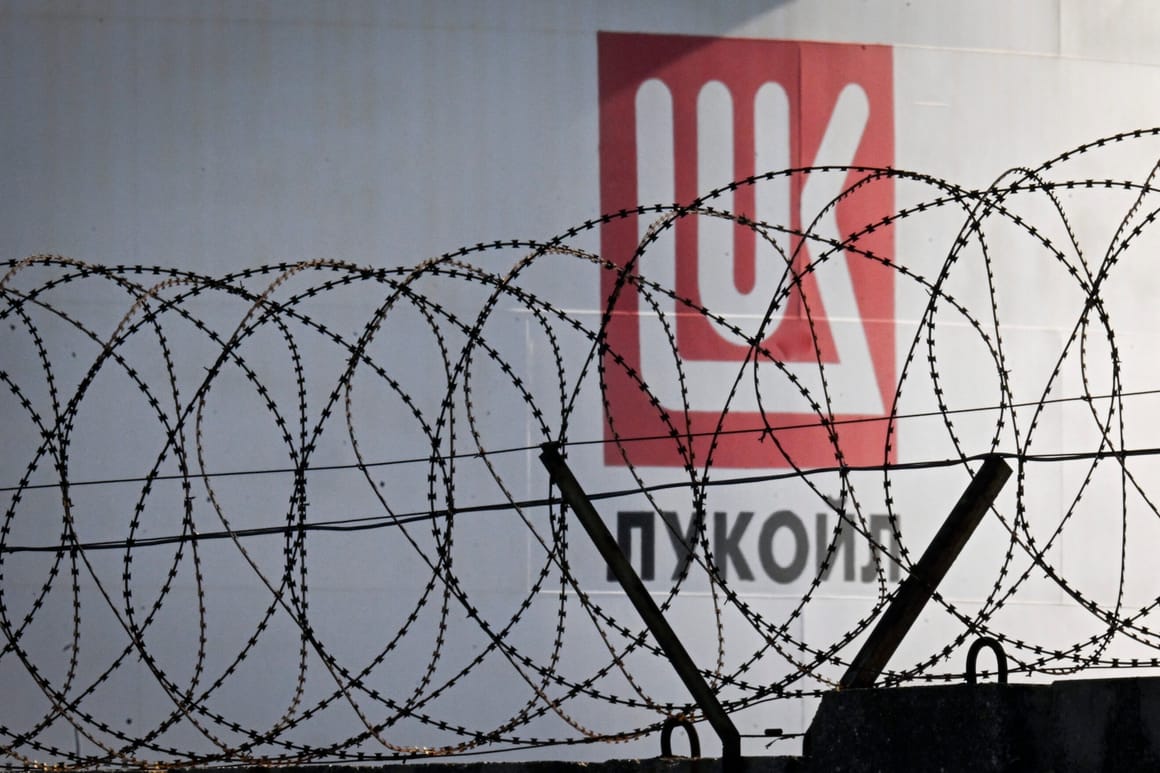
The United States has extended a sanctions waiver for the Russian oil company Lukoil, allowing the firm to continue operating many of its international businesses until December 13, 2023. This decision comes just before the new sanctions were scheduled to take effect, which target Lukoil and Kremlin-owned Rosneft due to Russia’s ongoing military actions in Ukraine. The U.S. Treasury Department has issued licenses that allow Lukoil to maintain its operations, including a longer extension for its Bulgaria refinery, which can operate until April 2026.
Last month, U.S. President Donald Trump announced extensive sanctions against Lukoil and Rosneft, citing Russia’s lack of commitment to a peaceful resolution of the conflict in Ukraine. These new punitive measures were set to come into force on November 21, 2023. According to the U.S. Treasury, the sanctions reflect a response to Russia’s ongoing military actions, which have been met with increasing international condemnation.
As part of its response, Lukoil has stated its intention to sell its overseas assets. However, efforts to find buyers have faced challenges. A proposed sale to Swiss-based firm Gunvor fell through after the U.S. government intervened to block it. Currently, the U.S. private equity firm Carlyle Group is reportedly considering acquiring Lukoil’s vast international holdings. Potential buyers have until December 13 to negotiate a deal with Lukoil.
The U.S. government has indicated it will only authorize a sale if Lukoil completely severs ties and if the proceeds are placed in a blocked account inaccessible to the company until sanctions are lifted. This approach aims to ensure that the funds do not benefit Lukoil while the sanctions remain in effect.
The sanctions have prompted European nations to take urgent measures to secure their energy supplies. For instance, Germany secured a six-month exemption for its Rosneft-owned Schwedt refinery, a move formalized by Washington. Meanwhile, Bulgaria has initiated steps to nationalize its Lukoil-owned Burgas refinery, emphasizing the urgency of maintaining energy stability in the region.
In a related development, Hungary has negotiated a one-year exemption to continue purchasing Russian oil, following a visit by Prime Minister Viktor Orban to the White House earlier this month. These exemptions reflect the complexities European countries face in balancing their energy needs amid escalating sanctions against Russian entities.
As Lukoil navigates this challenging landscape, the extended waiver provides a temporary reprieve, allowing the company to seek potential buyers while complying with U.S. regulations. The situation remains fluid, with significant implications for the energy market and international relations as the conflict in Ukraine continues to unfold.

Taste Test Reveals Best Mince Pies from Major UK Supermarkets

Baba Vanga Predicts Alien Contact and Global Upheaval in 2026

Astronomers Uncover the Pulsating Mystery of 3I/ATLAS

Ajax Match Abandoned After Fireworks Erupt in Stands

Asia’s Longest Domestic Flights: Some Stretch Over 3,000 Miles

Inmates Sneak in Fried Chicken Takeaways at HMP Wandsworth

Parkdean Resorts Launches Major Black Friday Discounts for 2026 Stays

Former Rockstar Employee Reveals GTA 6 Animations in Leak

Maintain Your HVAC System: Avoid Costly Repairs This Winter

Iconic 90s TV Show House Hits Market for £1.1 Million

Milk Bank Urges Mothers to Donate for Premature Babies’ Health

Alessia Russo Signs Long-Term Deal with Arsenal Ahead of WSL Season

Shoppers Flock to Discounted Neck Pillow on Amazon for Travel Comfort

Museums Body Critiques EHRC Proposals on Gender Facilities

Trump Visits Europe: Business, Politics, or Leisure?

Japanese Teen Sorato Shimizu Breaks U18 100m Record in 10 Seconds

Couple Shares Inspiring Love Story Defying Height Stereotypes

Anglian Water Raises Concerns Over Proposed AI Data Centre
-
 Entertainment2 months ago
Iconic 90s TV Show House Hits Market for £1.1 Million
-
 Lifestyle4 months ago
Milk Bank Urges Mothers to Donate for Premature Babies’ Health
-
 Sports3 months ago
Alessia Russo Signs Long-Term Deal with Arsenal Ahead of WSL Season
-
 Lifestyle4 months ago
Shoppers Flock to Discounted Neck Pillow on Amazon for Travel Comfort
-
 Politics4 months ago
Museums Body Critiques EHRC Proposals on Gender Facilities
-
 Business4 months ago
Trump Visits Europe: Business, Politics, or Leisure?
-
 Lifestyle4 months ago
Japanese Teen Sorato Shimizu Breaks U18 100m Record in 10 Seconds
-
 Politics4 months ago
Couple Shares Inspiring Love Story Defying Height Stereotypes
-
 World4 months ago
Anglian Water Raises Concerns Over Proposed AI Data Centre
-

 Sports4 months ago
Bournemouth Dominates Everton with 3-0 Victory in Premier League Summer Series
-

 World4 months ago
Wreckage of Missing Russian Passenger Plane Discovered in Flames
-

 Lifestyle4 months ago
Shoppers Rave About Roman’s £42 Midi Dress, Calling It ‘Elegant’