
Sports
West Berkshire’s Population Growth Reveals Changing Demographics

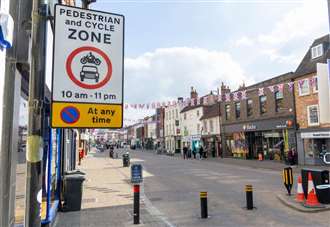
The population of West Berkshire has seen a notable increase over the past decade, according to the latest data from the National Office for Statistics. Between the 2011 and 2021 censuses, the population rose by five per cent, from approximately 153,800 to 161,400, with a current estimated population of 165,112. This growth highlights significant demographic changes in the region.
Population Density and Age Trends
In 2021, West Berkshire reported a population density of around 1.6 people per football pitch-sized area, placing it among the lowest 25 per cent of local authority areas in England for population density. Over the same period, the average age of residents increased by three years, from 40 to 43. This average age surpasses the national average of 40 years.
The median age serves as a crucial indicator, representing the age at which half the population is younger and half is older. Notably, the number of individuals aged 65 to 74 years surged by around 4,100, marking a significant increase of 31.7 per cent. Conversely, the population segment aged 35 to 49 years experienced a decline of approximately 4,000, reflecting shifting age demographics.
Employment Changes During the Pandemic
The employment landscape in West Berkshire also underwent substantial changes during the pandemic. The proportion of residents aged 16 years and over who were employed fell from 65 per cent in 2011 to 61.7 per cent in 2021. This decline represents the second-largest percentage-point drop in the South East, with only West Oxfordshire experiencing a greater decrease. Despite this downturn, West Berkshire remained within the top 10 per cent of English local authority areas for employment rates.
The 2021 Census, conducted during the COVID-19 pandemic, captured a period of unprecedented disruption. The implementation of national lockdowns and furlough measures affected both the labour market and the ability of government statisticians to assess employment accurately. Notably, the area witnessed a joint third-largest percentage-point fall in the share of people working more than 49 hours per week, alongside Wokingham. The proportion of employed adults working these extended hours dropped from 15.8 per cent to 11.7 per cent in West Berkshire.
Housing Trends and Private Renting
Housing patterns also indicate a shift towards private renting in West Berkshire. In 2021, 17.1 per cent of households rented privately, up from 13.7 per cent in 2011. Additionally, just under one in seven households lived in socially rented housing. The percentage of households owning their homes, whether outright or with a mortgage, stood at 67.6 per cent.
The increase in private rentals in West Berkshire outpaced the overall trend in the South East, where the rise was 3.4 percentage points. This shift points to changing housing needs and preferences among residents, reflective of broader economic and social trends.
Overall, the data from the last two censuses reveals a dynamic and evolving demographic landscape in West Berkshire, highlighting the intersection of age, employment, and housing trends that will likely shape the area in the years to come.

Festive Spirit Shines as Runners Sprint in Annual Santa Dash

Russian Athletes’ Return to Competition Sparks Ukrainian Outrage

Researchers Unveil Real-Time Enzyme Dynamics with Molecular Movies

Police Seek Witnesses After Spanner Attack in Darlaston Shop

Glasgow Considers Short-Term Let License Suspension for 2026 Commonwealth Games

Researchers Uncover Hidden Symmetry in Super Strain-Resistant Superconductors

Jacob Roberts Finds Love on Set After Split from Long-Term Partner

How AI is Revolutionizing Search Engine Optimization Strategies

Manchester’s Popular Café Federal Opens New Location in Leeds

Iconic 90s TV Show House Hits Market for £1.1 Million

Milk Bank Urges Mothers to Donate for Premature Babies’ Health

Alessia Russo Signs Long-Term Deal with Arsenal Ahead of WSL Season

Shoppers Flock to Discounted Neck Pillow on Amazon for Travel Comfort

Museums Body Critiques EHRC Proposals on Gender Facilities

Trump Visits Europe: Business, Politics, or Leisure?

Japanese Teen Sorato Shimizu Breaks U18 100m Record in 10 Seconds

Couple Shares Inspiring Love Story Defying Height Stereotypes

Nathan Cleary’s Family Celebrates Engagement Amid Romance Rumors
-
 Entertainment3 months ago
Iconic 90s TV Show House Hits Market for £1.1 Million
-
 Lifestyle5 months ago
Milk Bank Urges Mothers to Donate for Premature Babies’ Health
-
 Sports3 months ago
Alessia Russo Signs Long-Term Deal with Arsenal Ahead of WSL Season
-
 Lifestyle5 months ago
Shoppers Flock to Discounted Neck Pillow on Amazon for Travel Comfort
-
 Politics5 months ago
Museums Body Critiques EHRC Proposals on Gender Facilities
-
 Business5 months ago
Trump Visits Europe: Business, Politics, or Leisure?
-
 Lifestyle5 months ago
Japanese Teen Sorato Shimizu Breaks U18 100m Record in 10 Seconds
-
 Politics5 months ago
Couple Shares Inspiring Love Story Defying Height Stereotypes
-
 Sports5 months ago
Nathan Cleary’s Family Celebrates Engagement Amid Romance Rumors
-

 World5 months ago
Anglian Water Raises Concerns Over Proposed AI Data Centre
-

 Sports5 months ago
Bournemouth Dominates Everton with 3-0 Victory in Premier League Summer Series
-

 World5 months ago
Wreckage of Missing Russian Passenger Plane Discovered in Flames