
Top Stories
Reeves Accelerates Pension Tax Changes to Reassure Markets

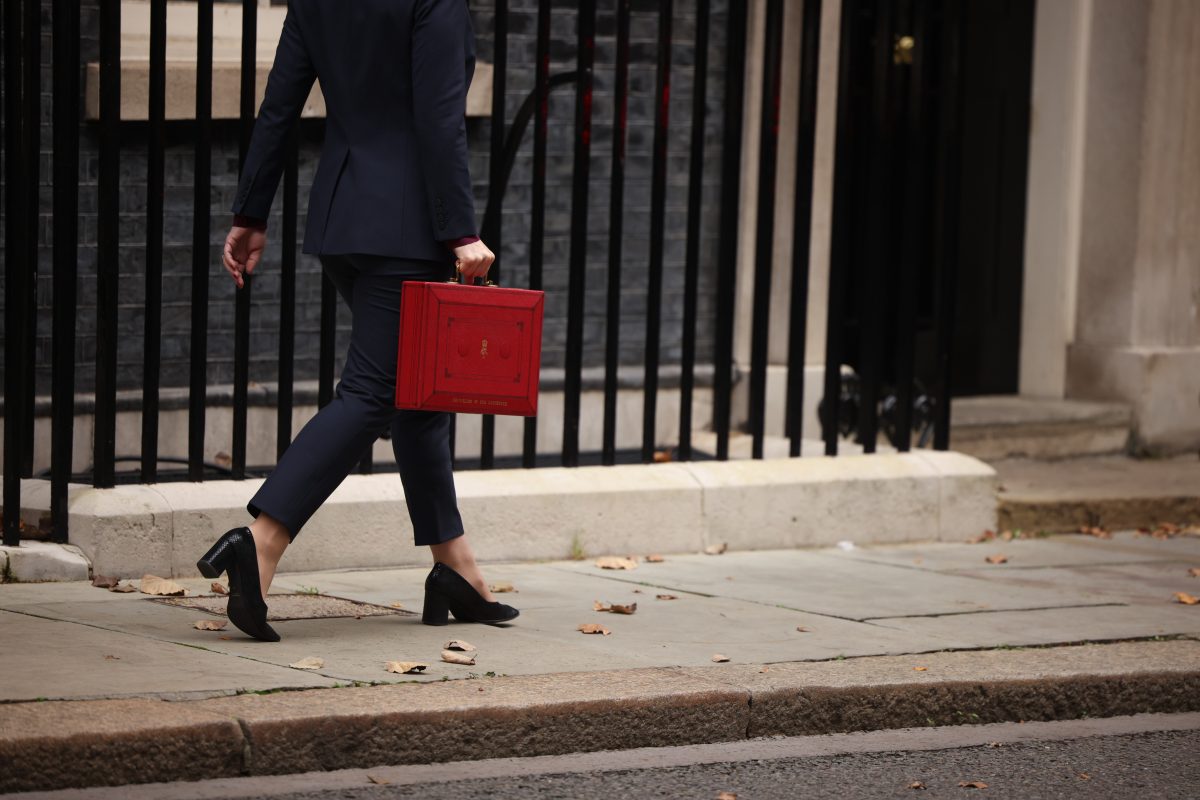
Chancellor Rachel Reeves is set to expedite legislation aimed at implementing tax increases on pension contributions, a move designed to stabilize nervous markets. The proposed changes, expected to be introduced before Christmas, will affect salary sacrifice schemes, although the new regulations will not take effect until April 2029. Reports in the Financial Times indicate that these measures are part of Reeves’ broader budget strategy.
Salary sacrifice schemes allow employees to reduce their salary in exchange for increased contributions to their pensions, making them especially appealing for those with young families who wish to remain below the £100,000 income threshold for free childcare. Under the new legislation, the exemption for contributions made through these schemes will be limited to £2,000 per employee each year, a change that critics argue disproportionately impacts lower earners.
In terms of financial implications, the Treasury anticipates that this adjustment will generate approximately £4.8 billion during the 2029 to 2030 fiscal year, with an additional £2.5 billion expected in the subsequent year. The urgency of passing this legislation stems from a desire to reassure markets ahead of the general election, which must occur by summer 2029.
Legislative Actions and Market Stability
Typically, budget measures are enacted through a general finance bill. However, a distinct piece of legislation focused on national insurance changes will be introduced in the coming weeks, according to a Treasury official. One minister emphasized, “We want markets to know this is all definitely happening; there can be no doubt about that.”
Reeves is also looking to swiftly address a loophole regarding “low-value imports.” Currently, online retailers can ship low-value goods into the UK without incurring tariffs. Although these changes will not be enforced until April 2028, a Treasury official stated, “We’ve got to get this right, but if we can do it earlier, we will.”
Government officials have acknowledged that early legislation is crucial to maintain market confidence regarding tax increases.
Impacts on Workers and Pensions
Approximately 7.7 million workers utilize salary sacrifice schemes, with a significant number employed by some of the UK’s largest corporations. Industry stakeholders have expressed confusion over the decision to diminish an incentive that encourages increased pension savings, especially given the ongoing retirement crisis in the country.
Critics argue that the changes will primarily disadvantage average workers. Analysis from investment platform Finder indicates that an average earner, typically making £39,039 annually and contributing 15 percent of their salary through a salary sacrifice scheme, could see their take-home pay decrease by £215 each year due to the cap. Higher earners, such as those making £52,720, may experience a reduction of £341.80 annually. In contrast, a worker earning £75,000 would face a lesser impact, with a potential decrease of only £140 in take-home pay.
Despite the government’s rationale that these reforms will promote fairness and protect low and middle earners, the changes have raised concerns about their broader implications for ordinary workers. As the political landscape evolves, the government’s approach to pension taxation will remain under scrutiny from both the public and industry experts.

Taste Test Reveals Best Mince Pies from Major UK Supermarkets

Baba Vanga Predicts Alien Contact and Global Upheaval in 2026

Astronomers Uncover the Pulsating Mystery of 3I/ATLAS

Ajax Match Abandoned After Fireworks Erupt in Stands

Asia’s Longest Domestic Flights: Some Stretch Over 3,000 Miles

Inmates Sneak in Fried Chicken Takeaways at HMP Wandsworth

Parkdean Resorts Launches Major Black Friday Discounts for 2026 Stays

Former Rockstar Employee Reveals GTA 6 Animations in Leak

Maintain Your HVAC System: Avoid Costly Repairs This Winter

Iconic 90s TV Show House Hits Market for £1.1 Million

Milk Bank Urges Mothers to Donate for Premature Babies’ Health

Alessia Russo Signs Long-Term Deal with Arsenal Ahead of WSL Season

Shoppers Flock to Discounted Neck Pillow on Amazon for Travel Comfort

Museums Body Critiques EHRC Proposals on Gender Facilities

Trump Visits Europe: Business, Politics, or Leisure?

Japanese Teen Sorato Shimizu Breaks U18 100m Record in 10 Seconds

Couple Shares Inspiring Love Story Defying Height Stereotypes

Anglian Water Raises Concerns Over Proposed AI Data Centre
-
 Entertainment2 months ago
Iconic 90s TV Show House Hits Market for £1.1 Million
-
 Lifestyle4 months ago
Milk Bank Urges Mothers to Donate for Premature Babies’ Health
-
 Sports3 months ago
Alessia Russo Signs Long-Term Deal with Arsenal Ahead of WSL Season
-
 Lifestyle4 months ago
Shoppers Flock to Discounted Neck Pillow on Amazon for Travel Comfort
-
 Politics4 months ago
Museums Body Critiques EHRC Proposals on Gender Facilities
-
 Business4 months ago
Trump Visits Europe: Business, Politics, or Leisure?
-
 Lifestyle4 months ago
Japanese Teen Sorato Shimizu Breaks U18 100m Record in 10 Seconds
-
 Politics4 months ago
Couple Shares Inspiring Love Story Defying Height Stereotypes
-
 World4 months ago
Anglian Water Raises Concerns Over Proposed AI Data Centre
-

 Sports4 months ago
Bournemouth Dominates Everton with 3-0 Victory in Premier League Summer Series
-

 World4 months ago
Wreckage of Missing Russian Passenger Plane Discovered in Flames
-

 Lifestyle4 months ago
Shoppers Rave About Roman’s £42 Midi Dress, Calling It ‘Elegant’