
Top Stories
UK Government Weighs Personal Allowance Increase for Pensioners

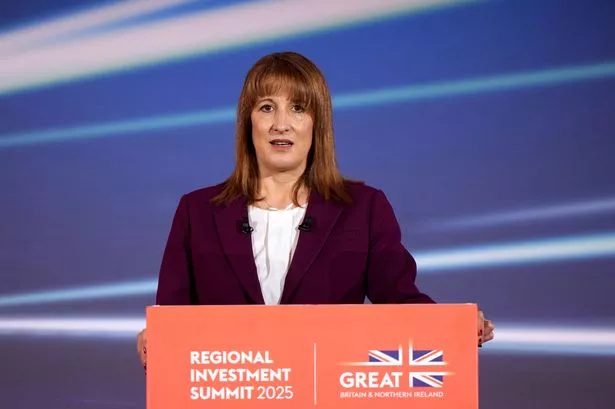
The UK Government is exploring the possibility of increasing the Personal Allowance for pensioners, reaffirming its commitment to ensuring their financial security and dignity in retirement. Currently, the Personal Allowance is set to remain frozen at £12,570 until April 2028, while the full New State Pension is projected to be £12,547 next year, just below the income tax threshold, according to the Daily Record.
In a recent exchange, Liberal Democrat Member of Parliament Dr. Al Pinkerton raised the issue of potentially raising the Personal Allowance for those over State Pension age. Treasury Minister Dan Tomlinson addressed this inquiry, stating that the UK Government continuously reviews tax policies. He added that any proposed changes would be announced by Chancellor Rachel Reeves during fiscal events, with the next such event scheduled for the Autumn Budget on November 26, 2025.
The government has maintained its commitment to the Triple Lock system, which guarantees annual increases to both the New and Basic State Pensions. Tomlinson noted that over 12 million pensioners benefitted from a 4.1 percent increase to their pensions in April 2025. He emphasized that during this parliamentary term, the full yearly rate of the New State Pension is expected to rise by approximately £1,900, based on forecasts from the Office for Budget Responsibility.
The Triple Lock ensures that the New and Basic State Pensions increase annually based on the highest of three measures: average annual earnings growth, consumer price index (CPI) inflation, or a fixed rate of 2.5 percent. Currently, average earnings have increased by 4.8 percent, which would raise the full New State Pension to approximately £241.30 per week, or £12,548 annually. For those on the Basic State Pension, the weekly amount could increase to around £184.90, translating to about £9,615 each year.
It’s essential to note that eligibility for the full New State Pension typically requires around 35 years of National Insurance contributions, though this can vary for individuals who were ‘contracted out’. The upcoming adjustments will likely be welcomed by many pensioners; however, they may also result in a greater number of retirees becoming liable for income tax.
Claire Trott, Head of Advice at St James’s Place, commented on the implications of the upcoming pension adjustments. She pointed out that while the anticipated rise will provide significant financial support, it could also push many pensioners closer to the tax threshold. Trott explained that someone with additional income of £10,000 may notice only a slight increase in their take-home pay due to the additional taxation, potentially leading to unexpected tax bills for some.
According to guidance from the UK Government, individuals may be liable for tax if their total annual income exceeds their Personal Allowance. Further information on Personal Allowance and income tax rates can be found on the official government website.
As discussions continue, the outcome of the Autumn Budget could significantly impact the financial landscape for millions of pensioners across the UK. The upcoming announcements are keenly awaited, with many hoping for measures that enhance their economic security in retirement.

Taste Test Reveals Best Mince Pies from Major UK Supermarkets

Baba Vanga Predicts Alien Contact and Global Upheaval in 2026

Astronomers Uncover the Pulsating Mystery of 3I/ATLAS

Ajax Match Abandoned After Fireworks Erupt in Stands

Asia’s Longest Domestic Flights: Some Stretch Over 3,000 Miles

Inmates Sneak in Fried Chicken Takeaways at HMP Wandsworth

Parkdean Resorts Launches Major Black Friday Discounts for 2026 Stays

Former Rockstar Employee Reveals GTA 6 Animations in Leak

Maintain Your HVAC System: Avoid Costly Repairs This Winter

Iconic 90s TV Show House Hits Market for £1.1 Million

Milk Bank Urges Mothers to Donate for Premature Babies’ Health

Alessia Russo Signs Long-Term Deal with Arsenal Ahead of WSL Season

Shoppers Flock to Discounted Neck Pillow on Amazon for Travel Comfort

Museums Body Critiques EHRC Proposals on Gender Facilities

Trump Visits Europe: Business, Politics, or Leisure?

Japanese Teen Sorato Shimizu Breaks U18 100m Record in 10 Seconds

Couple Shares Inspiring Love Story Defying Height Stereotypes

Anglian Water Raises Concerns Over Proposed AI Data Centre
-
 Entertainment2 months ago
Iconic 90s TV Show House Hits Market for £1.1 Million
-
 Lifestyle4 months ago
Milk Bank Urges Mothers to Donate for Premature Babies’ Health
-
 Sports3 months ago
Alessia Russo Signs Long-Term Deal with Arsenal Ahead of WSL Season
-
 Lifestyle4 months ago
Shoppers Flock to Discounted Neck Pillow on Amazon for Travel Comfort
-
 Politics4 months ago
Museums Body Critiques EHRC Proposals on Gender Facilities
-
 Business4 months ago
Trump Visits Europe: Business, Politics, or Leisure?
-
 Lifestyle4 months ago
Japanese Teen Sorato Shimizu Breaks U18 100m Record in 10 Seconds
-
 Politics4 months ago
Couple Shares Inspiring Love Story Defying Height Stereotypes
-
 World4 months ago
Anglian Water Raises Concerns Over Proposed AI Data Centre
-

 Sports4 months ago
Bournemouth Dominates Everton with 3-0 Victory in Premier League Summer Series
-

 World4 months ago
Wreckage of Missing Russian Passenger Plane Discovered in Flames
-

 Lifestyle4 months ago
Shoppers Rave About Roman’s £42 Midi Dress, Calling It ‘Elegant’