
World
Trump Pressures Ukraine to Accept Controversial Peace Deal by Thursday

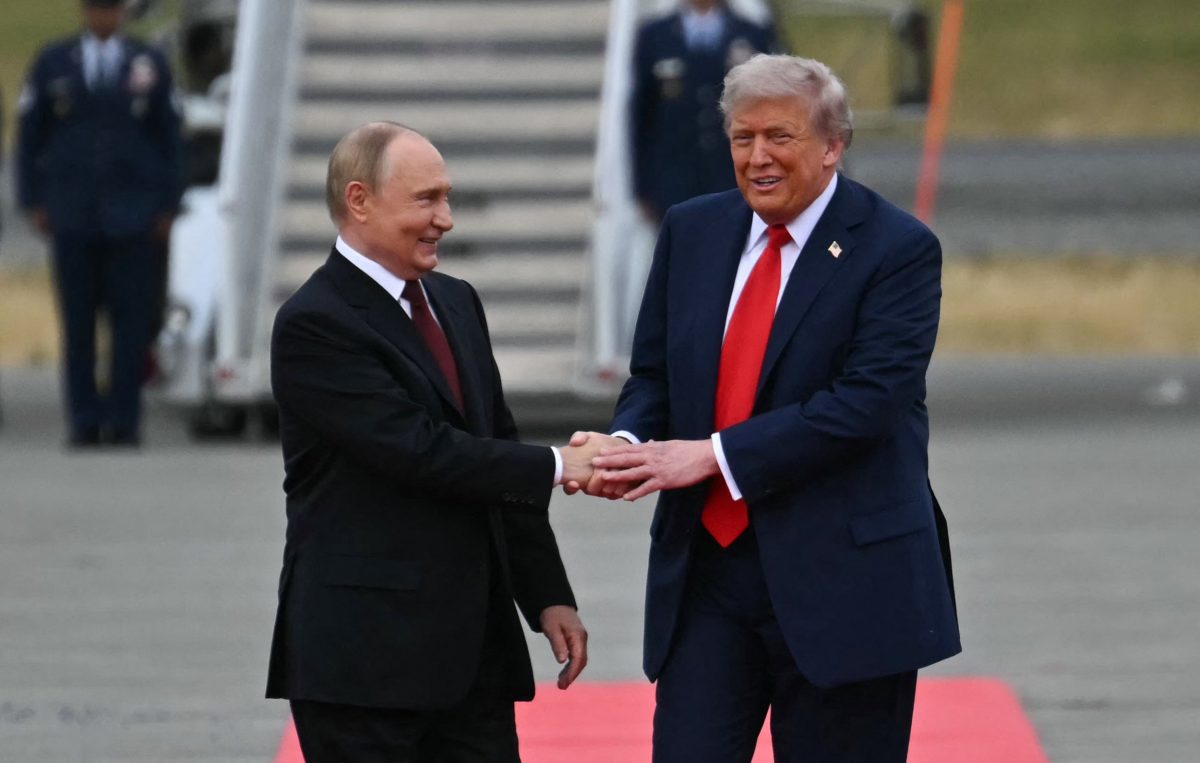
The situation in Ukraine has intensified as former US President Donald Trump urged the nation to accept a contentious peace deal backed by the United States by Thursday. This proposal, which consists of 28 points, has drawn sharp criticism from Ukrainian President Volodymyr Zelensky, who argues it would undermine Ukraine’s sovereignty and “strip” the nation of its dignity.
The proposed plan includes significant concessions to Russia, mandating Ukraine to relinquish territory it currently controls and reduce its military forces to 600,000 personnel. Additionally, Ukraine would be required to renounce its aspirations to join NATO. Concerns have emerged that the deal heavily favors Russian interests, with some interpreting it as an endorsement of Moscow’s previous actions in the region.
During discussions in Miami, Kirill Dmitriev, a Russian presidential envoy, and Steve Witkoff, Trump’s special envoy, negotiated the terms of this controversial agreement. Reports indicate that these talks have raised fears that the deal is designed to align with Kremlin objectives.
In a meeting held in Kyiv on Friday, Daniel Driscoll, the US Army Secretary, met with Western ambassadors to assert the lack of room for negotiation on the deal. One European official described the atmosphere as “nauseating,” reflecting the tension surrounding the discussions.
Zelensky expressed that Ukraine now faces an “extremely difficult choice,” weighing the loss of national dignity against the potential loss of a crucial ally. When asked about Zelensky’s remarks, Trump responded bluntly, stating, “He’ll have to like it, and if he doesn’t like it, then they should just keep fighting, I guess.”
As the situation develops, there are indications that European leaders may seek to persuade Trump to reconsider the proposed terms. However, it appears no plans have been made for Prime Minister Keir Starmer to travel to Washington while attending the G20 summit in South Africa. Starmer has maintained communication with leaders such as Emmanuel Macron of France and Friedrich Merz of Germany to discuss the implications of the deal.
At the G20 summit in Johannesburg, Starmer highlighted the need for a comprehensive ceasefire and the creation of pathways for meaningful peace negotiations. He emphasized the importance of strengthening the current proposal moving forward.
Several points from the US-backed peace deal have sparked controversy, particularly the assertion that “a comprehensive non-aggression agreement will be concluded between Russia, Ukraine, and Europe.” Critics argue this language could excuse Russia’s previous interventions and could undermine Ukraine’s territorial integrity, particularly regarding Crimea, which Russia annexed in 2014.
The plan also stipulates that Ukraine will receive “reliable security guarantees.” Critics point out the inadequacy of previous guarantees, such as those provided in the 1994 Budapest Memorandum, which failed to prevent Russian aggression in Crimea and Eastern Ukraine.
Key provisions include a limitation of Ukraine’s armed forces and a stipulation that NATO will not station troops within Ukraine. This raises questions about the intentions of NATO’s presence in the region and the ability to enforce any peace deal effectively.
Additionally, the agreement proposes a dialogue facilitated by the United States between Russia and NATO to address security concerns. This has led to skepticism, as it positions the US as a neutral mediator rather than an active participant in the alliance.
The deal’s stipulation for amnesty for all parties involved in the conflict has also drawn criticism. It could potentially exonerate individuals responsible for war crimes, including the alleged abduction of thousands of Ukrainian children during the conflict.
As pressure mounts, the international community watches closely to see how Ukraine will respond to the proposed deal and what this means for the ongoing conflict. The ramifications of accepting or rejecting such terms could have lasting implications for Ukraine’s sovereignty and its relationships with key allies.

Taste Test Reveals Best Mince Pies from Major UK Supermarkets

Baba Vanga Predicts Alien Contact and Global Upheaval in 2026

Astronomers Uncover the Pulsating Mystery of 3I/ATLAS

Ajax Match Abandoned After Fireworks Erupt in Stands

Asia’s Longest Domestic Flights: Some Stretch Over 3,000 Miles

Inmates Sneak in Fried Chicken Takeaways at HMP Wandsworth

Parkdean Resorts Launches Major Black Friday Discounts for 2026 Stays

Former Rockstar Employee Reveals GTA 6 Animations in Leak

Maintain Your HVAC System: Avoid Costly Repairs This Winter

Iconic 90s TV Show House Hits Market for £1.1 Million

Milk Bank Urges Mothers to Donate for Premature Babies’ Health

Alessia Russo Signs Long-Term Deal with Arsenal Ahead of WSL Season

Shoppers Flock to Discounted Neck Pillow on Amazon for Travel Comfort

Museums Body Critiques EHRC Proposals on Gender Facilities

Trump Visits Europe: Business, Politics, or Leisure?

Japanese Teen Sorato Shimizu Breaks U18 100m Record in 10 Seconds

Couple Shares Inspiring Love Story Defying Height Stereotypes

Anglian Water Raises Concerns Over Proposed AI Data Centre
-
 Entertainment2 months ago
Iconic 90s TV Show House Hits Market for £1.1 Million
-
 Lifestyle4 months ago
Milk Bank Urges Mothers to Donate for Premature Babies’ Health
-
 Sports3 months ago
Alessia Russo Signs Long-Term Deal with Arsenal Ahead of WSL Season
-
 Lifestyle4 months ago
Shoppers Flock to Discounted Neck Pillow on Amazon for Travel Comfort
-
 Politics4 months ago
Museums Body Critiques EHRC Proposals on Gender Facilities
-
 Business4 months ago
Trump Visits Europe: Business, Politics, or Leisure?
-
 Lifestyle4 months ago
Japanese Teen Sorato Shimizu Breaks U18 100m Record in 10 Seconds
-
 Politics4 months ago
Couple Shares Inspiring Love Story Defying Height Stereotypes
-
 World4 months ago
Anglian Water Raises Concerns Over Proposed AI Data Centre
-

 Sports4 months ago
Bournemouth Dominates Everton with 3-0 Victory in Premier League Summer Series
-

 World4 months ago
Wreckage of Missing Russian Passenger Plane Discovered in Flames
-

 Lifestyle4 months ago
Shoppers Rave About Roman’s £42 Midi Dress, Calling It ‘Elegant’