
World
Ukraine and US Forge New Peace Framework Amid Complex Negotiations

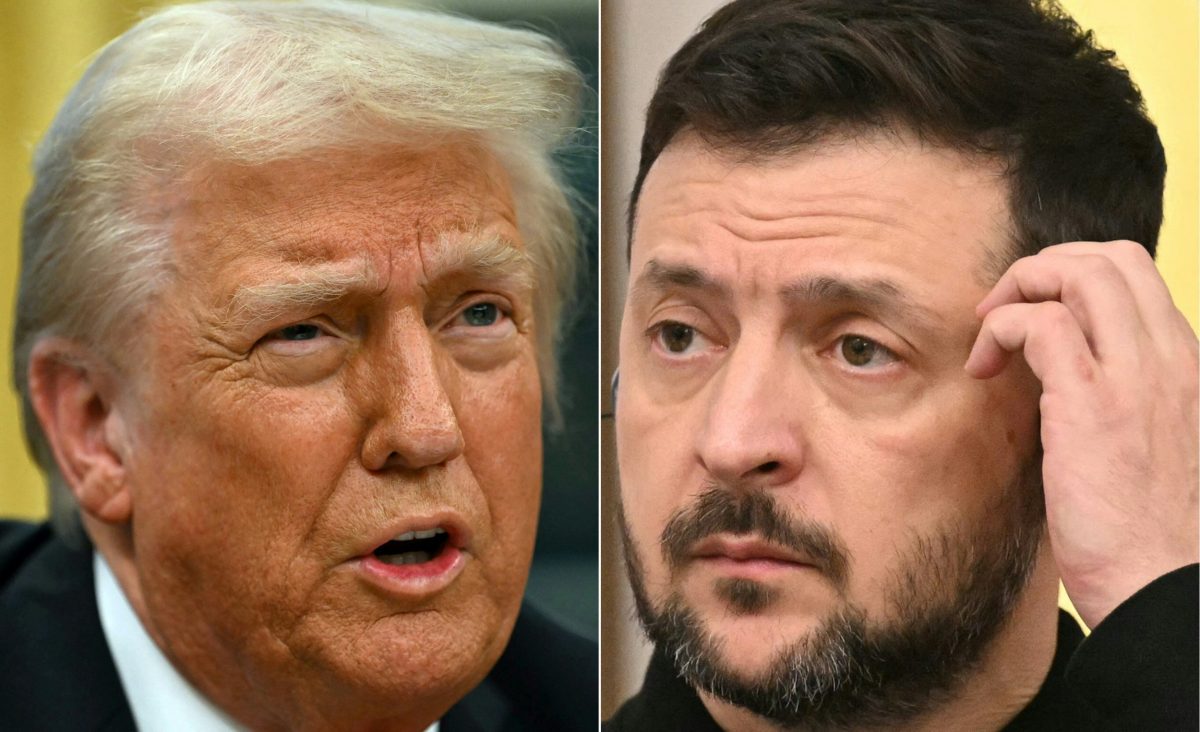
The United States and Ukraine have reportedly reached a preliminary agreement on a framework for peace in the ongoing conflict with Russia. This marks a significant development following a contentious 28-point peace proposal put forth by US special envoy Steve Witkoff, which drew sharp criticism for favoring Russian interests. In response to concerns about this initial proposal, the UK, France, and Germany quickly drafted a counter-proposal, which was presented during an emergency meeting in Geneva over the weekend.
The European draft notably mirrored the structure of the US plan but made substantial adjustments aimed at balancing the interests of Ukraine and its allies. While it included some symbolic concessions, such as the potential return of Russia to the G8, the details of the document significantly diffused the more contentious aspects of the US proposal, a move that is likely to be viewed unfavorably by Russian President Vladimir Putin.
Following further discussions, Ukraine successfully streamlined the document, focusing on fewer core principles that have seemingly gained the endorsement of the US delegation. Additional negotiations are anticipated to take place in the coming days in Washington. Despite these optimistic developments, significant obstacles remain that could hinder a final agreement.
Key Sticking Points in Negotiations
A major point of contention is Russia’s demand that Ukraine adopt a policy of permanent neutrality. According to the initial US draft, this would require Ukraine to enshrine in its constitution a commitment not to join NATO. In turn, NATO would need to amend its founding treaty to formally exclude Ukraine from future membership. Such constitutional changes are particularly challenging, especially while Ukraine is under martial law. NATO’s modification of its long-standing treaty is also viewed as highly unlikely.
The European counter-proposal takes a different approach, suggesting that the decision regarding Ukraine’s NATO membership be determined by consensus within the alliance. This means that any single member state, such as Hungary or the US, could effectively veto Ukraine’s entry.
Both drafts affirm Ukraine’s eligibility for European Union membership, which entails security and defense arrangements that Russia opposes.
Another significant issue revolves around territorial claims. The European draft proposes a ceasefire while postponing discussions about territorial disputes. Conversely, the US draft recognizes Crimea, Luhansk, and Donetsk as “de facto Russian,” along with occupied areas of Kherson and Zaporizhzhia. This recognition could be interpreted as a legal acknowledgment of territorial changes, which violates both Ukraine’s constitution and international law that prohibits territorial changes through force.
The initial US proposal also called for Ukraine to withdraw from parts of Luhansk and Donetsk that it still controls, designating these areas as a “neutral demilitarized buffer zone.” However, there is no provision for an international monitoring presence to ensure compliance.
Military Restrictions and Future Prospects
Under the US plan, Ukraine’s armed forces would be limited to 600,000 personnel, a decrease from the current strength of approximately 900,000. The European draft, however, proposes a higher limit of 800,000. Both drafts do not impose restrictions on arms imports to Ukraine, apart from commitments to nuclear non-proliferation, allowing for continued military support from Western allies.
Moscow has long sought to redefine the European security landscape, advocating for a rollback of NATO expansion since the Cold War. The US draft suggested a “comprehensive non-aggression agreement” among Russia, Ukraine, and Europe, alongside mediation between Russia and NATO. However, this aspect was omitted from the European counter-proposal, which reflects significant differences in approaches to regional security.
The US-backed framework also calls for new elections in Ukraine within 100 days of concluding the agreement, a move that aligns with Moscow’s view of Ukraine’s current government as illegitimate. Yet, holding elections during martial law is unfeasible.
Additionally, while the US draft did not address war reparations, it emphasized rehabilitation and reconstruction efforts, proposing a $100 billion investment from frozen Russian assets to support reconstruction projects, with half of the profits allocated to Washington. The EU’s counterproposal mentions financial compensation for Ukraine, including through frozen Russian assets.
Both drafts suggest a gradual lifting of sanctions on Russia, contingent upon its compliance with the agreement.
As international attention shifts back to Ukraine, these proposals have reignited discussions about the conflict, particularly following a period of focus on the situation in Gaza. The swift release of the European counter-draft following the leak of the US-backed proposal indicates a strategic move by the UK, France, and Germany to regain the initiative.
The coming days will be critical as Ukraine and the US refine their draft and address the most contentious issues, such as territorial recognition. The Kremlin’s initial opposition to the modified draft highlights the complexities that lie ahead. Should negotiations stall, a protracted deadlock could ensue, reminiscent of the challenges that have characterized this conflict from the outset.
Marc Weller, a professor of international law at the University of Cambridge and director of the international law program at Chatham House, emphasizes that the successful establishment of a framework document will require navigating these intricate geopolitical realities.

Taste Test Reveals Best Mince Pies from Major UK Supermarkets

Baba Vanga Predicts Alien Contact and Global Upheaval in 2026

Astronomers Uncover the Pulsating Mystery of 3I/ATLAS

Ajax Match Abandoned After Fireworks Erupt in Stands

Asia’s Longest Domestic Flights: Some Stretch Over 3,000 Miles

Inmates Sneak in Fried Chicken Takeaways at HMP Wandsworth

Parkdean Resorts Launches Major Black Friday Discounts for 2026 Stays

Former Rockstar Employee Reveals GTA 6 Animations in Leak

Maintain Your HVAC System: Avoid Costly Repairs This Winter

Iconic 90s TV Show House Hits Market for £1.1 Million

Milk Bank Urges Mothers to Donate for Premature Babies’ Health

Alessia Russo Signs Long-Term Deal with Arsenal Ahead of WSL Season

Shoppers Flock to Discounted Neck Pillow on Amazon for Travel Comfort

Museums Body Critiques EHRC Proposals on Gender Facilities

Trump Visits Europe: Business, Politics, or Leisure?

Japanese Teen Sorato Shimizu Breaks U18 100m Record in 10 Seconds

Couple Shares Inspiring Love Story Defying Height Stereotypes

Anglian Water Raises Concerns Over Proposed AI Data Centre
-
 Entertainment2 months ago
Iconic 90s TV Show House Hits Market for £1.1 Million
-
 Lifestyle4 months ago
Milk Bank Urges Mothers to Donate for Premature Babies’ Health
-
 Sports3 months ago
Alessia Russo Signs Long-Term Deal with Arsenal Ahead of WSL Season
-
 Lifestyle4 months ago
Shoppers Flock to Discounted Neck Pillow on Amazon for Travel Comfort
-
 Politics4 months ago
Museums Body Critiques EHRC Proposals on Gender Facilities
-
 Business4 months ago
Trump Visits Europe: Business, Politics, or Leisure?
-
 Lifestyle4 months ago
Japanese Teen Sorato Shimizu Breaks U18 100m Record in 10 Seconds
-
 Politics4 months ago
Couple Shares Inspiring Love Story Defying Height Stereotypes
-
 World4 months ago
Anglian Water Raises Concerns Over Proposed AI Data Centre
-

 Sports4 months ago
Bournemouth Dominates Everton with 3-0 Victory in Premier League Summer Series
-

 World4 months ago
Wreckage of Missing Russian Passenger Plane Discovered in Flames
-

 Lifestyle4 months ago
Shoppers Rave About Roman’s £42 Midi Dress, Calling It ‘Elegant’