
Health
Scots with Long-Term Health Conditions Reach Record Levels

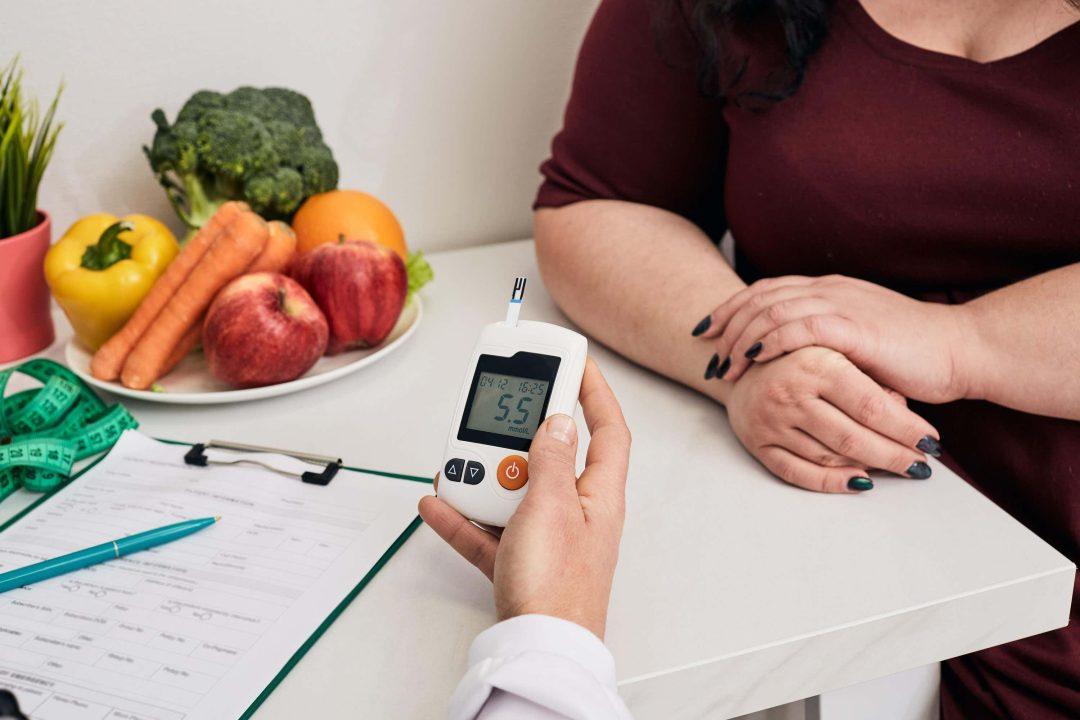
A recent study conducted by the Scottish Health Survey indicates that the number of people in Scotland living with long-term health conditions has reached an all-time high. In 2024, the survey found that 50% of respondents reported having at least one long-term health condition, marking the highest percentage since the survey’s inception in 1995.
The findings highlight that nearly two in five adults, around 39%, indicated that their long-term health conditions significantly limited their daily activities. Among those living with such conditions, a striking 81% reported facing at least one type of impairment. The most common issues cited were related to mobility (32%), stamina, breathing, or fatigue (28%), and mental health challenges (26%).
In terms of specific health conditions, the prevalence of diagnosed diabetes in Scotland has reached 8%, the highest level recorded since the survey began. Additionally, diagnosed asthma among adults has risen to a record high of 18%. These statistics underscore a growing public health concern in the region.
Insights into Mental Health and Loneliness
The survey also sheds light on mental health trends in Scotland. It revealed that one in four women reported experiencing a possible psychiatric disorder, significantly higher than the 18% of men who reported similar challenges. Mental health issues were most pronounced among adults in the most deprived areas, where the rate was 31% compared to 17% in the least deprived areas.
Interestingly, the proportion of adults who reported feeling lonely “most” or “all of the time” decreased from 10% in 2023 to 7% in 2024, suggesting a positive shift in social well-being.
For the first time, the survey included questions regarding women’s experiences with menopause. It found that nearly three-quarters of women aged 45–55 (72%) and about half of those aged 56 and over (53%) reported experiencing menopausal symptoms in the past year. Among those experiencing symptoms, around 58% sought help from healthcare professionals, predominantly general practitioners, with 45% consulting their GP.
Food Attitudes and Smoking Trends
The survey also highlighted concerning trends regarding eating habits. Approximately 13% of Scottish adults self-reported attitudes and feelings towards food that suggested a potential eating disorder, with the prevalence highest among individuals aged 16 to 24 at 26%.
Smoking rates in Scotland have remained stable at 14%, reflecting a decline of 28% since 2003. Vaping, however, has seen an increase, with 10% of adults reporting they vape, and this figure rises to 18% among the younger demographic of 16 to 24 years.
Paul Bradshaw, director of the Scottish Centre for Social Research, commented on the survey’s findings, stating, “This year’s survey paints a detailed picture of the health of people in Scotland. We see that half of adults are now living with at least one long-term health condition, and diabetes has reached its highest level on record. Encouragingly, mental well-being seems to be stabilising, and loneliness has fallen back to pre-pandemic levels. The new questions on menopause and eating behaviours provide important insights into experiences that have previously been under-reported in national data and a solid baseline for measuring trends in future years.”
The data from the Scottish Health Survey serves as a crucial resource for understanding public health in Scotland, highlighting both the challenges and progress in addressing long-term health conditions, mental well-being, and social issues.

Welsh Ambulance Service Targets Frequent 999 Callers for Support

Welsh Ambulance Service Targets Frequent 999 Callers for Better Care

Bremen’s Marble Imaging Secures €5.3M for Revolutionary Satellites

WNBA and Players Association Secure 40-Day Extension on CBA Talks

Three Vacant West Midlands Homes Auctioned for £50,000 Each

Four Long-Standing Suspects Remain at Large on West Midlands List

Taste Test Reveals Best Mince Pies from Major UK Supermarkets

Baba Vanga Predicts Alien Contact and Global Upheaval in 2026

Astronomers Uncover the Pulsating Mystery of 3I/ATLAS

Iconic 90s TV Show House Hits Market for £1.1 Million

Milk Bank Urges Mothers to Donate for Premature Babies’ Health

Alessia Russo Signs Long-Term Deal with Arsenal Ahead of WSL Season

Shoppers Flock to Discounted Neck Pillow on Amazon for Travel Comfort

Museums Body Critiques EHRC Proposals on Gender Facilities

Trump Visits Europe: Business, Politics, or Leisure?

Japanese Teen Sorato Shimizu Breaks U18 100m Record in 10 Seconds

Couple Shares Inspiring Love Story Defying Height Stereotypes

Anglian Water Raises Concerns Over Proposed AI Data Centre
-
 Entertainment2 months ago
Iconic 90s TV Show House Hits Market for £1.1 Million
-
 Lifestyle4 months ago
Milk Bank Urges Mothers to Donate for Premature Babies’ Health
-
 Sports3 months ago
Alessia Russo Signs Long-Term Deal with Arsenal Ahead of WSL Season
-
 Lifestyle4 months ago
Shoppers Flock to Discounted Neck Pillow on Amazon for Travel Comfort
-
 Politics4 months ago
Museums Body Critiques EHRC Proposals on Gender Facilities
-
 Business4 months ago
Trump Visits Europe: Business, Politics, or Leisure?
-
 Lifestyle4 months ago
Japanese Teen Sorato Shimizu Breaks U18 100m Record in 10 Seconds
-
 Politics4 months ago
Couple Shares Inspiring Love Story Defying Height Stereotypes
-
 World4 months ago
Anglian Water Raises Concerns Over Proposed AI Data Centre
-

 Sports4 months ago
Bournemouth Dominates Everton with 3-0 Victory in Premier League Summer Series
-

 World4 months ago
Wreckage of Missing Russian Passenger Plane Discovered in Flames
-

 Lifestyle4 months ago
Shoppers Rave About Roman’s £42 Midi Dress, Calling It ‘Elegant’