
Science
Quantum Computing: Navigating Hype and Real Potential

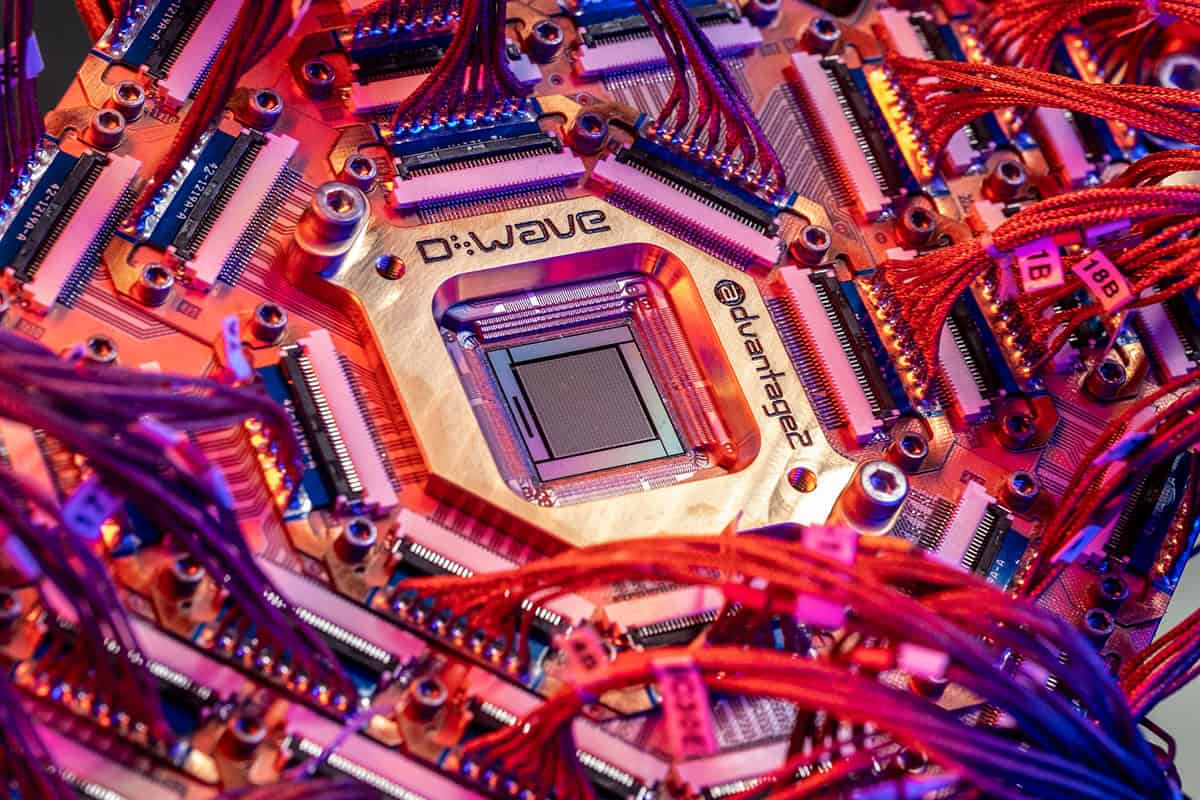
The field of quantum computing is at a critical juncture, presenting both remarkable possibilities and significant challenges. As we approach the centenary of quantum mechanics in 2025, interest in this technology intensifies, especially during the International Year of Quantum Science and Technology (IYQ). Despite the buzz, many remain uncertain about when quantum computers will become a part of everyday life.
Quantum computing relies on unique properties of quantum mechanics, such as superposition and entanglement. These principles allow quantum bits, or qubits, to exist in multiple states simultaneously, contrasting with classical bits that are strictly either 0 or 1. This capability enables quantum computers to process vast amounts of information at unprecedented speeds.
As physicist-turned-engineer Honor Powrie notes, the current landscape of quantum computing is complicated. While some predict that widespread use is just a few years away, others believe it may take much longer or may never happen at all. The variation in expectations reflects the complexity of making quantum computing a practical reality.
Understanding Quantum Computing’s Mechanics
Central to quantum computing are the phenomena of superposition, entanglement, and quantum interference. Superposition allows qubits to perform many calculations at once, while entanglement links qubits in such a way that the state of one can depend on the state of another, even over large distances. Quantum interference enables algorithms to amplify correct answers and suppress incorrect ones, significantly enhancing computational speed.
Despite these advantages, significant barriers to practical implementation remain. Quantum systems are notoriously sensitive to environmental factors, leading to a phenomenon known as decoherence. This vulnerability makes qubits prone to errors, necessitating specialized, often cryogenically controlled environments to maintain their quantum states.
Building scalable quantum systems poses an engineering challenge, requiring intricate hardware and precise operating conditions. As a result, creating “fault-tolerant” quantum hardware and developing robust error-correction techniques are paramount for reliable quantum computation. Furthermore, designing software and algorithms tailored for quantum systems remains an ongoing effort, as these require fundamentally different programming approaches compared to classical computing.
Current Developments and Future Prospects
Despite the hurdles, advances in quantum computing have already begun to show promise. For instance, D-Wave, a Canadian company, recently claimed to have conducted simulations of quantum magnetic phase transitions, a feat unattainable by classical computers. If validated, this achievement would mark a significant milestone in reaching “quantum advantage” for practical physics problems.
As research progresses, breakthroughs in qubit stability and architecture are anticipated. Future applications of quantum computers may resemble the early days of classical supercomputers, such as the Cray supercomputers of the 1980s, which were primarily used by large organizations for complex computations. Initially, quantum computers are expected to complement classical systems rather than replace them, as both possess unique strengths.
Quantum computers will likely excel in demanding tasks such as drug discovery, materials science, financial modeling, and optimization problems. Meanwhile, classical computers will continue to serve everyday needs, including web browsing and data management, and will play a crucial role in preparing data for quantum processing.
Another critical aspect to consider is cybersecurity. Quantum computing poses a significant risk to current encryption methods, particularly public-key cryptography. As a result, there is growing concern that malicious actors may be hoarding stolen data, anticipating the day when quantum decryption becomes feasible.
With the IYQ drawing to a close, the future of quantum computing remains uncertain yet hopeful. While the timeline for its widespread adoption is difficult to predict, ongoing research and development may lead to breakthroughs that could revolutionize computing in the years to come. The journey toward practical quantum computing is complex, but the potential rewards could be transformative for numerous industries.

Moyes Faces Referee Controversy Ahead of Everton vs Chelsea Clash

Man Hospitalised After Assault Outside Shop in Sandwell

Fred MacAulay and Ally McCoist Reunite for Special World Cup Show

NoOnes Targets $1 Trillion Gift Card Market to Enhance Crypto Access

Beloved Actor Matt Clark Passes Away at 89, Fans Mourn Loss

Discover How Milk Thistle Supplements Enhance Liver Health

Irish Community Care Celebrates 60 Years of Support in Liverpool

New Affordable Housing Development Planned for Crawley Site

Millions of Parking Tickets Issued Amid Calls for Reform

Claire Tomlinson Bids Farewell to Sky Sports After 27 Years

Iconic 90s TV Show House Hits Market for £1.1 Million

Nathan Cleary’s Family Celebrates Engagement Amid Romance Rumors

Tributes Flow for Kerry Gentle, Beloved RNLI Volunteer and Artist

Milk Bank Urges Mothers to Donate for Premature Babies’ Health

Shoppers Flock to Discounted Neck Pillow on Amazon for Travel Comfort

Alessia Russo Signs Long-Term Deal with Arsenal Ahead of WSL Season

Nuneaton Town FC Advances Plans for New Stadium in Stockingford

Exploring England’s Cathedrals: A Journey Through History and Architecture
-
 Lifestyle8 months ago
Claire Tomlinson Bids Farewell to Sky Sports After 27 Years
-
 Entertainment11 months ago
Iconic 90s TV Show House Hits Market for £1.1 Million
-
 Sports1 year ago
Nathan Cleary’s Family Celebrates Engagement Amid Romance Rumors
-
 Lifestyle8 months ago
Tributes Flow for Kerry Gentle, Beloved RNLI Volunteer and Artist
-
 Lifestyle1 year ago
Milk Bank Urges Mothers to Donate for Premature Babies’ Health
-
 Lifestyle1 year ago
Shoppers Flock to Discounted Neck Pillow on Amazon for Travel Comfort
-
 Sports12 months ago
Alessia Russo Signs Long-Term Deal with Arsenal Ahead of WSL Season
-
 Sports9 months ago
Nuneaton Town FC Advances Plans for New Stadium in Stockingford
-
 Lifestyle1 year ago
Exploring England’s Cathedrals: A Journey Through History and Architecture
-

 Politics1 year ago
Museums Body Critiques EHRC Proposals on Gender Facilities
-

 Business1 year ago
Trump Visits Europe: Business, Politics, or Leisure?
-

 Lifestyle1 year ago
Japanese Teen Sorato Shimizu Breaks U18 100m Record in 10 Seconds