
Science
Southampton University and Siemens Collaborate to Advance MEMS Technology

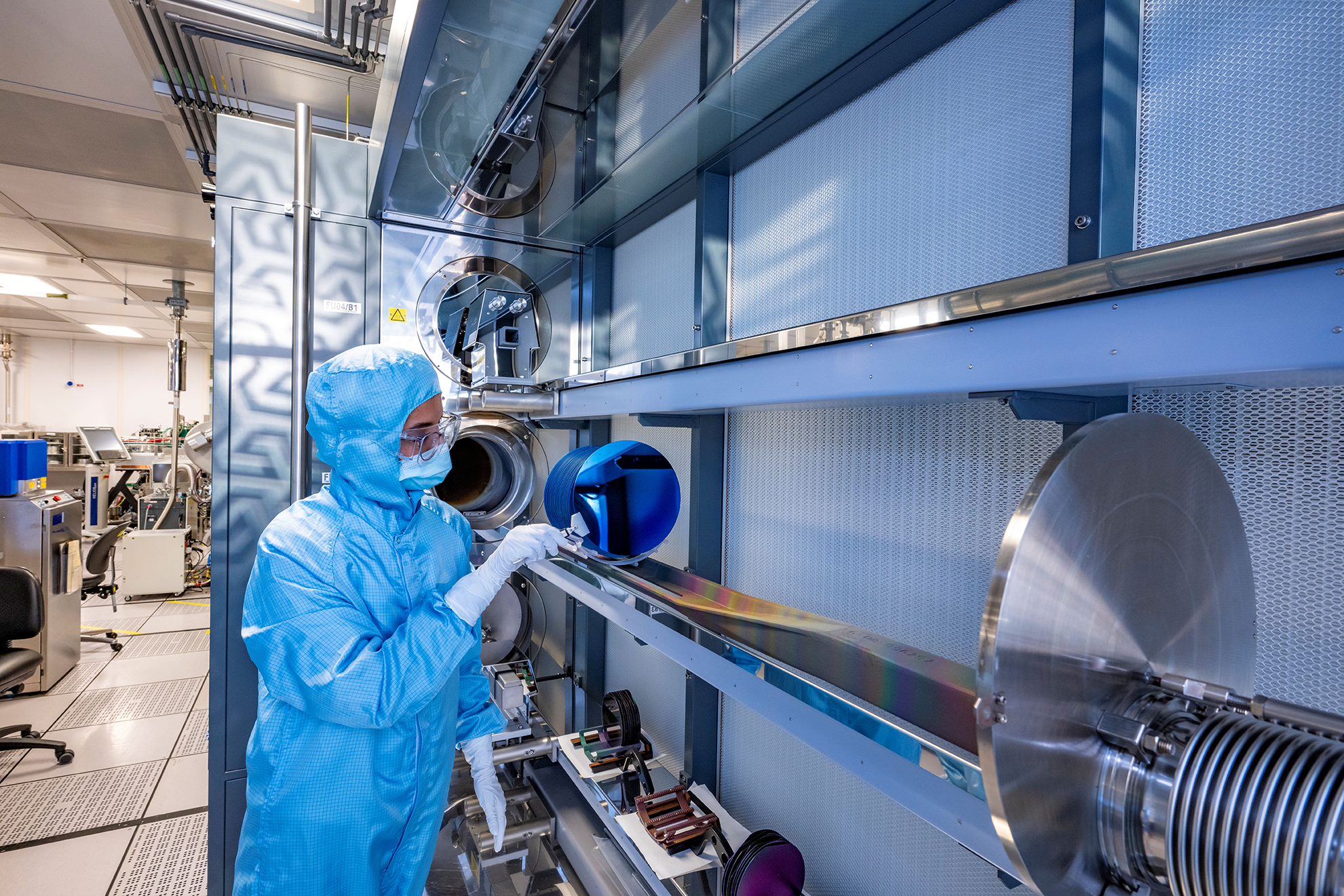
A partnership between the University of Southampton and Siemens aims to enhance research and development in Micro- and Nano-Electromechanical Systems (MEMS and NEMS). This collaboration will provide students, researchers, tech start-ups, and industry partners with the opportunity to design, test, and produce advanced sensors and devices crucial for the semiconductor industry.
The initiative aligns with the objectives of the UK National Semiconductor Strategy and the EU Chips Act. Known as MICROCRAFT, the project is spearheaded by the University of Southampton in partnership with the University of Bristol. It will offer open access to prototyping capabilities, design support, and skills training at the Zepler Cleanrooms, recognized as one of Europe’s leading fabrication facilities.
Leveraging Digital Twin Technology
Through its Cre8Ventures platform, Siemens will enable innovators to utilize digital twin technology for modeling, testing, and validating their designs virtually prior to production. This approach is expected to significantly reduce both time and costs associated with the development of these technologies.
Dr. Ibrahim Sari, Founder of MICROCRAFT at the University of Southampton, emphasized the transformative potential of this collaboration. “This partnership is a milestone for the UK’s semiconductor ambitions,” he stated. “By combining MICROCRAFT’s world-class fabrication platform with Siemens’ industry-leading digital twin technology, we are creating a unique pathway that bridges the gap between academic research and industrial commercialization.”
Carson Bradbury, Co-founder of Siemens Cre8Ventures, echoed this sentiment, highlighting the advantages of validating complex MEMS and NEMS designs in a virtual environment. “By validating these designs before fabrication, we can help innovators save critical time and capital,” he remarked. “Together, we are de-risking innovation and building a resilient, sovereign, and competitive semiconductor ecosystem in Europe.”
Impact on the Semiconductor Landscape
This collaboration has the potential to reshape the landscape of semiconductor research and production in the UK and Europe. By fostering innovation and providing essential resources, the MICROCRAFT initiative aims to empower the next generation of engineers and researchers. This effort not only supports technological advancement but also addresses the growing demand for skilled professionals in the semiconductor sector.
The integration of academic research with industry practices is expected to yield significant advancements in MEMS and NEMS technology. As the collaboration progresses, it will play a crucial role in establishing the UK as a leader in semiconductor manufacturing and innovation.
Overall, the partnership between the University of Southampton and Siemens marks a significant step forward in driving research and development in cutting-edge technologies, positioning both institutions at the forefront of the semiconductor industry.

Moyes Faces Referee Controversy Ahead of Everton vs Chelsea Clash

Man Hospitalised After Assault Outside Shop in Sandwell

Fred MacAulay and Ally McCoist Reunite for Special World Cup Show

NoOnes Targets $1 Trillion Gift Card Market to Enhance Crypto Access

Beloved Actor Matt Clark Passes Away at 89, Fans Mourn Loss

Discover How Milk Thistle Supplements Enhance Liver Health

Irish Community Care Celebrates 60 Years of Support in Liverpool

New Affordable Housing Development Planned for Crawley Site

Millions of Parking Tickets Issued Amid Calls for Reform

Claire Tomlinson Bids Farewell to Sky Sports After 27 Years

Iconic 90s TV Show House Hits Market for £1.1 Million

Nathan Cleary’s Family Celebrates Engagement Amid Romance Rumors

Tributes Flow for Kerry Gentle, Beloved RNLI Volunteer and Artist

Milk Bank Urges Mothers to Donate for Premature Babies’ Health

Shoppers Flock to Discounted Neck Pillow on Amazon for Travel Comfort

Alessia Russo Signs Long-Term Deal with Arsenal Ahead of WSL Season

Nuneaton Town FC Advances Plans for New Stadium in Stockingford

Exploring England’s Cathedrals: A Journey Through History and Architecture
-
 Lifestyle8 months ago
Claire Tomlinson Bids Farewell to Sky Sports After 27 Years
-
 Entertainment11 months ago
Iconic 90s TV Show House Hits Market for £1.1 Million
-
 Sports1 year ago
Nathan Cleary’s Family Celebrates Engagement Amid Romance Rumors
-
 Lifestyle8 months ago
Tributes Flow for Kerry Gentle, Beloved RNLI Volunteer and Artist
-
 Lifestyle1 year ago
Milk Bank Urges Mothers to Donate for Premature Babies’ Health
-
 Lifestyle1 year ago
Shoppers Flock to Discounted Neck Pillow on Amazon for Travel Comfort
-
 Sports12 months ago
Alessia Russo Signs Long-Term Deal with Arsenal Ahead of WSL Season
-
 Sports9 months ago
Nuneaton Town FC Advances Plans for New Stadium in Stockingford
-
 Lifestyle1 year ago
Exploring England’s Cathedrals: A Journey Through History and Architecture
-

 Politics1 year ago
Museums Body Critiques EHRC Proposals on Gender Facilities
-

 Business1 year ago
Trump Visits Europe: Business, Politics, or Leisure?
-

 Lifestyle1 year ago
Japanese Teen Sorato Shimizu Breaks U18 100m Record in 10 Seconds