
Lifestyle
Organize Your Shed This Winter: Expert Tips for Homeowners

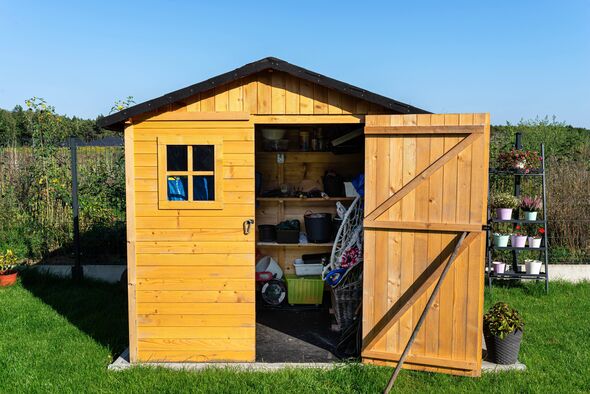
With the gardening season winding down, homeowners are encouraged to prepare their sheds for the upcoming winter months. This transition period offers an excellent opportunity to ensure that garden tools are stored properly and that the shed is organized. According to garden shed specialist Sam Jenkinson from garden building retailer Tiger, neglecting shed organization can lead to damage and costly replacements when spring returns.
Essential Cleaning and Maintenance
Before storing tools for the winter, Jenkinson emphasizes the importance of thorough cleaning. “Give your tools a good clean and check-over,” he advises. Residual soil or moisture on metal parts can lead to corrosion, so it’s essential to wipe them down thoroughly. Disinfecting blades with a mild solution also helps eliminate bacteria or fungal spores that may have accumulated during the summer months.
Once cleaned, applying a light coat of oil to metal parts can protect against rust, and a bit of linseed oil on wooden handles helps prevent cracking during cold weather. Skipping this step could be costly, as even a couple of rusty spades or shears might necessitate replacement.
Smart Storage Solutions
Jenkinson points out that one common mistake is leaving tools on the shed floor. Moisture can rise from the ground, leading to rust on metal tools and rotting of wooden ones. To mitigate this risk, he recommends hanging tools on wall racks, hooks, or pegboards, which keeps them elevated and dry. This practice not only reduces the chances of damage but also keeps the shed tidy and makes tools easier to locate when gardening season resumes.
Organization plays a vital role in maintaining tools over the winter. Utilizing sturdy shelves, crates, or plastic containers can help keep smaller tools and accessories dry and dust-free. Additionally, budget-friendly solutions such as £5 bungee cords can create storage pockets for tools, hoses, or other awkwardly shaped items. Stretching cords across walls or beams allows for efficient use of space, helping to keep tall tools like rakes or spades upright.
For larger machinery, like lawnmowers or strimmers, proper maintenance is crucial. Jenkinson advises cleaning them thoroughly and draining any leftover fuel before storage. He warns against using plastic sheets for equipment covers, as they can trap condensation. Instead, a breathable fabric allows moisture to escape while still providing protection.
Items to Remove Before Winter
There are several items that should not be left in the shed during colder months. Batteries for power tools, such as cordless drills and hedge trimmers, can lose their charge or degrade in low temperatures, significantly reducing their lifespan. Similarly, paints, glues, and finishing liquids may freeze or separate, leading to costly replacements. In some cases, containers could crack or leak, causing damage to nearby tools and materials.
Smaller items, including drill bits and lubricants, can also be affected by damp conditions. The best way to protect these items is to move them indoors to a dry, frost-free location until temperatures rise.
By taking these steps, homeowners can ensure their garden tools remain in good condition throughout the winter months, preventing unnecessary expenses when spring arrives. Preparing the shed now can save time, money, and hassle later on, making it a worthwhile investment for any gardening enthusiast.

Moyes Faces Referee Controversy Ahead of Everton vs Chelsea Clash

Man Hospitalised After Assault Outside Shop in Sandwell

Fred MacAulay and Ally McCoist Reunite for Special World Cup Show

NoOnes Targets $1 Trillion Gift Card Market to Enhance Crypto Access

Beloved Actor Matt Clark Passes Away at 89, Fans Mourn Loss

Discover How Milk Thistle Supplements Enhance Liver Health

Irish Community Care Celebrates 60 Years of Support in Liverpool

New Affordable Housing Development Planned for Crawley Site

Millions of Parking Tickets Issued Amid Calls for Reform

Claire Tomlinson Bids Farewell to Sky Sports After 27 Years

Iconic 90s TV Show House Hits Market for £1.1 Million

Tributes Flow for Kerry Gentle, Beloved RNLI Volunteer and Artist

Nathan Cleary’s Family Celebrates Engagement Amid Romance Rumors

Milk Bank Urges Mothers to Donate for Premature Babies’ Health

Shoppers Flock to Discounted Neck Pillow on Amazon for Travel Comfort

Alessia Russo Signs Long-Term Deal with Arsenal Ahead of WSL Season

Nuneaton Town FC Advances Plans for New Stadium in Stockingford

Museums Body Critiques EHRC Proposals on Gender Facilities
-
 Lifestyle7 months ago
Claire Tomlinson Bids Farewell to Sky Sports After 27 Years
-
 Entertainment10 months ago
Iconic 90s TV Show House Hits Market for £1.1 Million
-
 Lifestyle7 months ago
Tributes Flow for Kerry Gentle, Beloved RNLI Volunteer and Artist
-
 Sports11 months ago
Nathan Cleary’s Family Celebrates Engagement Amid Romance Rumors
-
 Lifestyle12 months ago
Milk Bank Urges Mothers to Donate for Premature Babies’ Health
-
 Lifestyle12 months ago
Shoppers Flock to Discounted Neck Pillow on Amazon for Travel Comfort
-
 Sports10 months ago
Alessia Russo Signs Long-Term Deal with Arsenal Ahead of WSL Season
-
 Sports8 months ago
Nuneaton Town FC Advances Plans for New Stadium in Stockingford
-
 Politics12 months ago
Museums Body Critiques EHRC Proposals on Gender Facilities
-

 Lifestyle11 months ago
Exploring England’s Cathedrals: A Journey Through History and Architecture
-

 Business12 months ago
Trump Visits Europe: Business, Politics, or Leisure?
-

 Lifestyle12 months ago
Japanese Teen Sorato Shimizu Breaks U18 100m Record in 10 Seconds