
Business
UK Small Businesses Launch with Less Than £6,000 Each

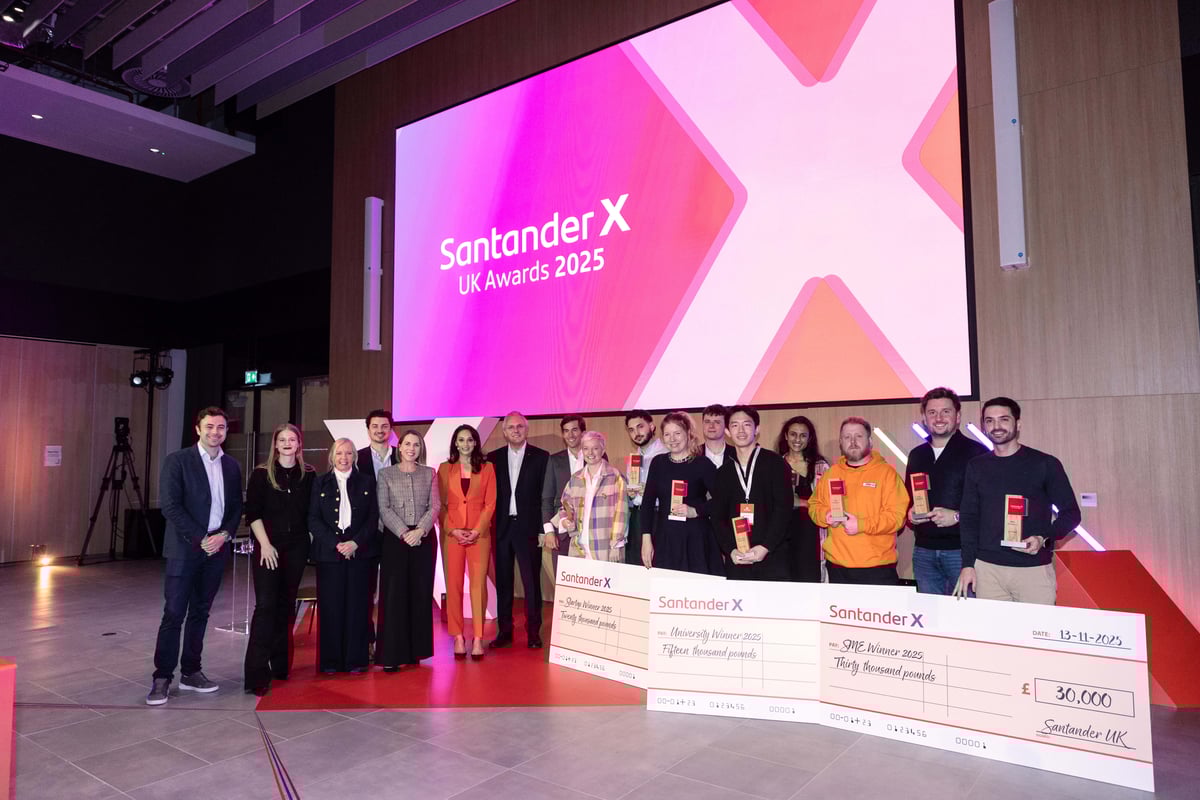
The average small and medium-sized enterprise (SME) in the UK began operations with less than £6,000, according to recent data from the British Business Bank. This figure highlights the significant financial challenges faced by new businesses in a competitive market.
A report released in 2023 reveals that many entrepreneurs are starting their ventures with minimal initial capital. This trend raises concerns about the sustainability of small businesses, which are pivotal to the UK economy. SMEs contribute significantly to employment and growth, yet their limited startup funding could hinder their development.
Financial Landscape for Startups
The findings from the British Business Bank indicate that small businesses are increasingly reliant on personal savings and loans from family and friends to fund their operations. With the average startup capital hovering around £6,000, entrepreneurs often struggle to cover essential expenses such as inventory, marketing, and staff salaries.
In a competitive landscape, the limited financial cushion can pose risks to long-term viability. Many startups are forced to operate on tight budgets, which can stifle innovation and growth. The Small Business, Enterprise and Employment Act aims to address some of these issues by improving access to finance and supporting emerging businesses through various initiatives.
Implications for Future Growth
The reliance on such modest startup capital raises questions about the future of entrepreneurship in the UK. Given that small businesses account for approximately 99% of all businesses in the country, their health is essential for economic stability. If funding remains scarce, the potential for job creation and economic growth may be compromised.
The landscape for SMEs can be particularly challenging in uncertain economic times. Factors such as inflation and rising operational costs further complicate the situation for new businesses. A lack of adequate funding can lead to high failure rates among startups, which ultimately affects the broader economy.
As the UK government and financial institutions explore ways to support SMEs, it is crucial to consider the unique challenges faced by new entrepreneurs. Initiatives aimed at increasing funding opportunities and providing mentorship may prove vital in fostering a more robust startup ecosystem.
In conclusion, the average startup capital for UK SMEs being under £6,000 underscores the financial hurdles that many new businesses encounter. As the economy evolves, a concerted effort to bolster support for small enterprises will be essential to ensure their success and sustainability in the future.

Welsh Ambulance Service Targets Frequent 999 Callers for Support

Welsh Ambulance Service Targets Frequent 999 Callers for Better Care

Bremen’s Marble Imaging Secures €5.3M for Revolutionary Satellites

WNBA and Players Association Secure 40-Day Extension on CBA Talks

Three Vacant West Midlands Homes Auctioned for £50,000 Each

Four Long-Standing Suspects Remain at Large on West Midlands List

Taste Test Reveals Best Mince Pies from Major UK Supermarkets

Baba Vanga Predicts Alien Contact and Global Upheaval in 2026

Astronomers Uncover the Pulsating Mystery of 3I/ATLAS

Iconic 90s TV Show House Hits Market for £1.1 Million

Milk Bank Urges Mothers to Donate for Premature Babies’ Health

Alessia Russo Signs Long-Term Deal with Arsenal Ahead of WSL Season

Shoppers Flock to Discounted Neck Pillow on Amazon for Travel Comfort

Museums Body Critiques EHRC Proposals on Gender Facilities

Trump Visits Europe: Business, Politics, or Leisure?

Japanese Teen Sorato Shimizu Breaks U18 100m Record in 10 Seconds

Couple Shares Inspiring Love Story Defying Height Stereotypes

Anglian Water Raises Concerns Over Proposed AI Data Centre
-
 Entertainment2 months ago
Iconic 90s TV Show House Hits Market for £1.1 Million
-
 Lifestyle4 months ago
Milk Bank Urges Mothers to Donate for Premature Babies’ Health
-
 Sports3 months ago
Alessia Russo Signs Long-Term Deal with Arsenal Ahead of WSL Season
-
 Lifestyle4 months ago
Shoppers Flock to Discounted Neck Pillow on Amazon for Travel Comfort
-
 Politics4 months ago
Museums Body Critiques EHRC Proposals on Gender Facilities
-
 Business4 months ago
Trump Visits Europe: Business, Politics, or Leisure?
-
 Lifestyle4 months ago
Japanese Teen Sorato Shimizu Breaks U18 100m Record in 10 Seconds
-
 Politics4 months ago
Couple Shares Inspiring Love Story Defying Height Stereotypes
-
 World4 months ago
Anglian Water Raises Concerns Over Proposed AI Data Centre
-

 Sports4 months ago
Bournemouth Dominates Everton with 3-0 Victory in Premier League Summer Series
-

 World4 months ago
Wreckage of Missing Russian Passenger Plane Discovered in Flames
-

 Lifestyle4 months ago
Shoppers Rave About Roman’s £42 Midi Dress, Calling It ‘Elegant’