
Health
FDA Announces Recall of Blood Pressure Medication Over Contamination

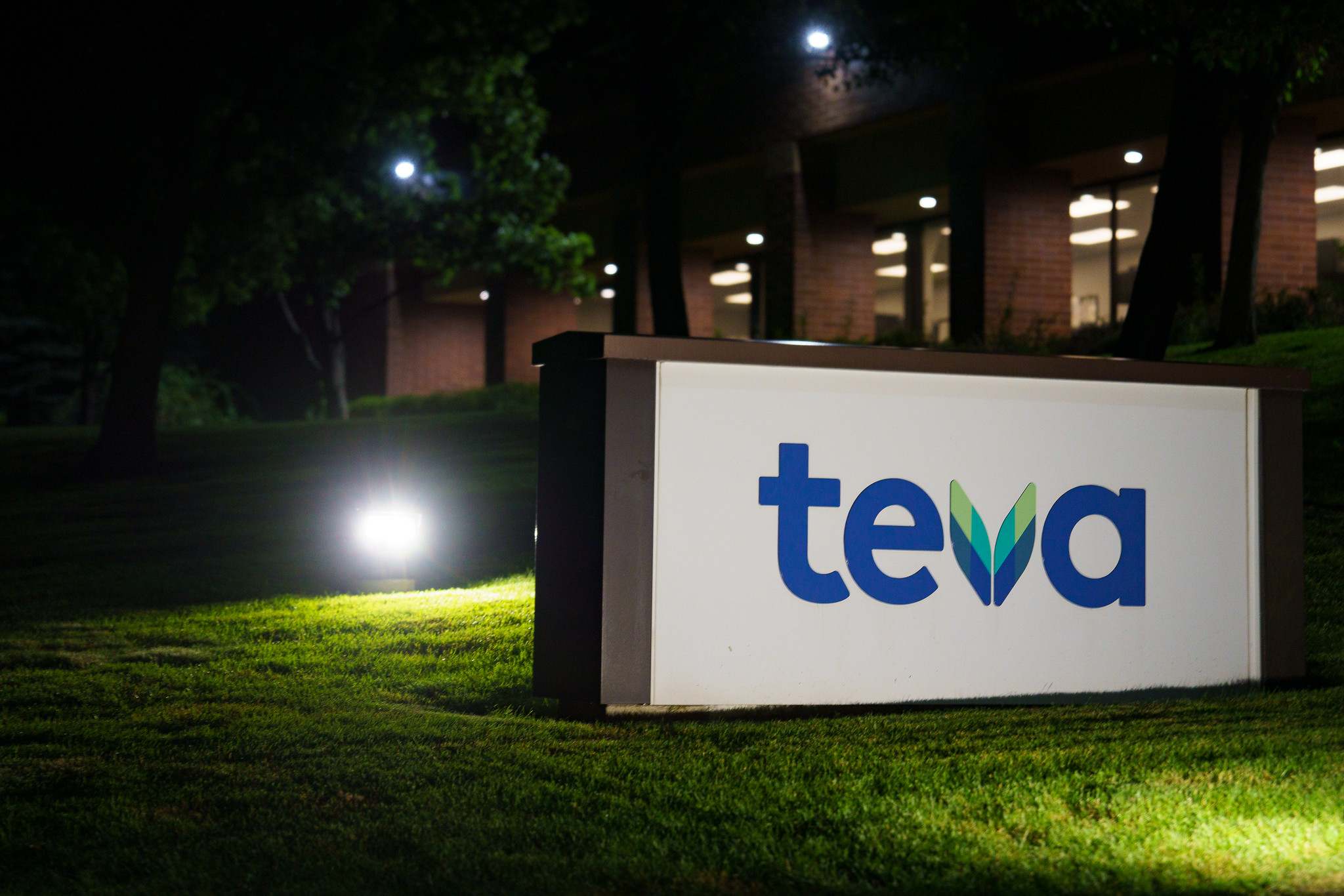
The US Food and Drug Administration (FDA) has announced a significant recall of prazosin hydrochloride capsules, a medication commonly prescribed for high blood pressure and post-traumatic stress disorder (PTSD). This recall follows the detection of a nitrosamine impurity, a chemical linked to cancer, during routine testing. The voluntary recall, initiated by Teva Pharmaceuticals USA on October 7, 2025, impacts more than 580,000 bottles distributed across the United States.
Nitrosamines, a class of compounds that can pose a cancer risk in certain forms and concentrations, prompted the FDA to classify this recall as Class II on October 24, 2025. This classification indicates that while the recall involves products that may cause reversible side effects, there is no immediate risk of serious harm to patients.
Prazosin hydrochloride acts as an alpha-blocker, relaxing blood vessels to improve circulation and lower blood pressure. It is available in various strengths and is widely dispensed in pharmacies throughout the US. The contamination was discovered during routine quality control procedures, with certain batches showing nitrosamine levels exceeding acceptable daily intake limits. Such impurities can develop during manufacturing if chemical reactions are not adequately controlled or if raw materials are improperly managed over time.
Despite the low risk to patients, the presence of nitrosamines has raised concerns about production standards and quality assurance practices in the pharmaceutical industry. The FDA advises patients currently taking prazosin hydrochloride to consult with their healthcare provider or pharmacist to confirm whether their specific medication batch is affected. It is essential that patients do not stop their treatment abruptly without professional guidance.
This recall is part of a growing trend of pharmaceutical safety alerts in recent years. While previous incidents have involved nitrosamine impurities in other medications, such as certain blood pressure and diabetes drugs, other recalls have been due to different manufacturing issues. For instance, a recall involving atorvastatin in 2025 was linked to dissolution failures.
The recurrence of manufacturing-related recalls has intensified calls for stricter oversight of drug production and enhanced quality control systems. Experts emphasize that the ongoing issues highlight the need for improved transparency and consistency across global pharmaceutical supply chains.
The recall of prazosin hydrochloride serves as a critical reminder of the importance of rigorous quality control in drug manufacturing. While the immediate health risk from this contamination is low, it underscores the potential dangers that can arise with widely used medications. Patients are urged to verify their medications, discuss alternatives with their healthcare providers, and report any adverse reactions experienced.
The FDA continues to monitor the corrective actions taken by Teva Pharmaceuticals and is evaluating long-term safeguards to prevent future contamination incidents. The agency’s ongoing oversight aims to restore confidence in the safety and efficacy of medications available to the public.

Welsh Ambulance Service Targets Frequent 999 Callers for Support

Welsh Ambulance Service Targets Frequent 999 Callers for Better Care

Bremen’s Marble Imaging Secures €5.3M for Revolutionary Satellites

WNBA and Players Association Secure 40-Day Extension on CBA Talks

Three Vacant West Midlands Homes Auctioned for £50,000 Each

Four Long-Standing Suspects Remain at Large on West Midlands List

Taste Test Reveals Best Mince Pies from Major UK Supermarkets

Baba Vanga Predicts Alien Contact and Global Upheaval in 2026

Astronomers Uncover the Pulsating Mystery of 3I/ATLAS

Iconic 90s TV Show House Hits Market for £1.1 Million

Milk Bank Urges Mothers to Donate for Premature Babies’ Health

Alessia Russo Signs Long-Term Deal with Arsenal Ahead of WSL Season

Shoppers Flock to Discounted Neck Pillow on Amazon for Travel Comfort

Museums Body Critiques EHRC Proposals on Gender Facilities

Trump Visits Europe: Business, Politics, or Leisure?

Japanese Teen Sorato Shimizu Breaks U18 100m Record in 10 Seconds

Couple Shares Inspiring Love Story Defying Height Stereotypes

Anglian Water Raises Concerns Over Proposed AI Data Centre
-
 Entertainment2 months ago
Iconic 90s TV Show House Hits Market for £1.1 Million
-
 Lifestyle4 months ago
Milk Bank Urges Mothers to Donate for Premature Babies’ Health
-
 Sports3 months ago
Alessia Russo Signs Long-Term Deal with Arsenal Ahead of WSL Season
-
 Lifestyle4 months ago
Shoppers Flock to Discounted Neck Pillow on Amazon for Travel Comfort
-
 Politics4 months ago
Museums Body Critiques EHRC Proposals on Gender Facilities
-
 Business4 months ago
Trump Visits Europe: Business, Politics, or Leisure?
-
 Lifestyle4 months ago
Japanese Teen Sorato Shimizu Breaks U18 100m Record in 10 Seconds
-
 Politics4 months ago
Couple Shares Inspiring Love Story Defying Height Stereotypes
-
 World4 months ago
Anglian Water Raises Concerns Over Proposed AI Data Centre
-

 Sports4 months ago
Bournemouth Dominates Everton with 3-0 Victory in Premier League Summer Series
-

 World4 months ago
Wreckage of Missing Russian Passenger Plane Discovered in Flames
-

 Lifestyle4 months ago
Shoppers Rave About Roman’s £42 Midi Dress, Calling It ‘Elegant’