
Health
London Faces Vaccine Shortage Amid Severe Flu Outbreak

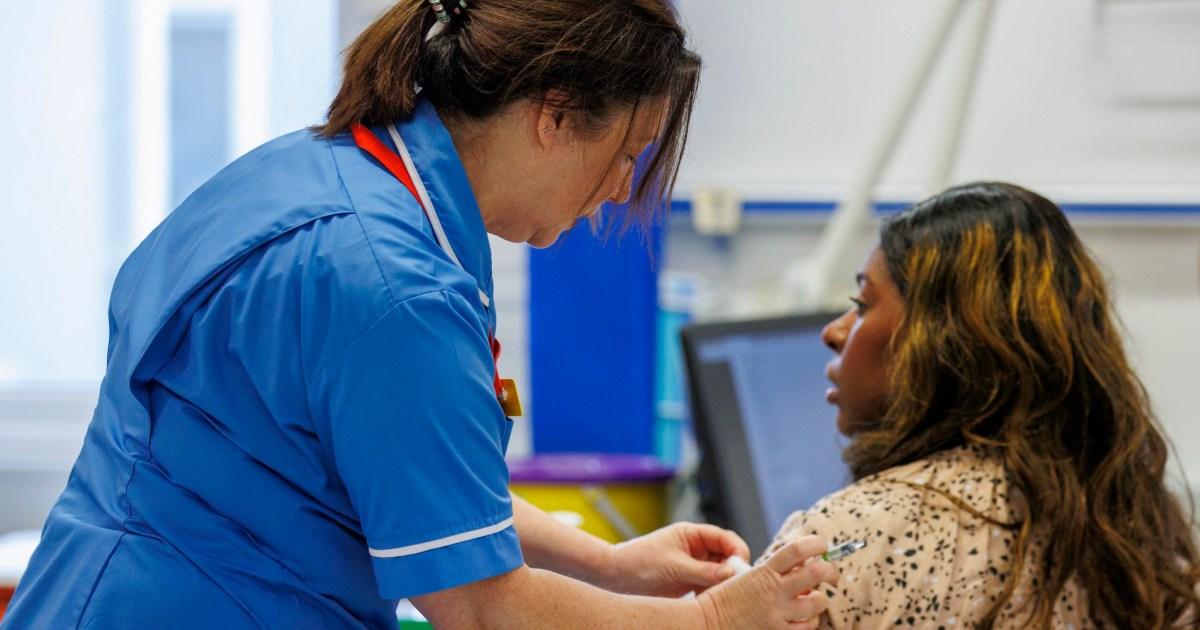
London is grappling with a significant shortage of flu vaccines as the NHS urges residents to get vaccinated amidst a severe outbreak. Many pharmacies across the capital are unable to accommodate patients due to insufficient stock. Reports indicate that demand for flu jabs has surged this month, prompting health officials to sound the alarm about an exceptionally challenging flu season.
Pharmacist Chanel Jones received her flu vaccine earlier this month in Belfast, illustrating the urgency felt across the UK. A visit to multiple pharmacies by Metro Deputy News Editor Isobel Frodsham highlighted the difficulties many Londoners face. After being turned away from three pharmacies, Frodsham finally secured an appointment on her fourth attempt, underscoring the urgency of the situation.
Despite the typical peak for flu vaccinations occurring in October, the current health crisis has led to a late rush for vaccines. The NHS has issued an “urgent plea” for individuals to get vaccinated as winter pressures escalate. Many people are attempting to secure their vaccinations before the Christmas holidays, as the jabs require about two weeks to offer full protection.
Boots, one of the largest pharmacy chains in the UK, reported limited availability. The company stated that there are only “a small number of appointments” left in selected London stores. Vikas Chauhan, manager of C.E. Harrod pharmacy in Parsons Green, noted a significant rise in daily walk-in patients, with an increase of two to three times compared to previous weeks. “We could see about 30 or 40 walk-ins, compared to last week’s ten or twelve,” Chauhan explained.
Word of mouth appears to be driving demand, with many patients mentioning referrals from friends and family. Pharmacy staff have also observed a noticeable uptick in sales of medications for flu symptoms. Rita Anora, a pharmacist at the same store, stated that they are selling double the amount of cough and cold medications compared to last year. Additionally, there has been an increase in sales of masks, Covid tests, and hand sanitizers, indicating a return to behaviors reminiscent of the Covid-19 pandemic.
The current flu season is described by the NHS as possibly the worst in recent years, largely due to a new strain of the virus, H3N2. This strain has shown mutations that allow it to evade some levels of immunity. Hospitals nationwide are taking precautionary measures, with many requiring staff and patients to wear face masks to limit the spread of illness.
Melissa Howard, a 36-year-old businesswoman from Wirral, experienced flu symptoms despite receiving her vaccination in September. She described her illness as “bloody awful,” with symptoms including fever, sore throat, and body aches. “After about a week, the whole house had it,” she shared, emphasizing the pervasive nature of the current flu virus.
Sylvie Frankel, a mother of four from Blackwell in Derbyshire, echoed similar sentiments. Despite getting vaccinated on October 13, she fell ill shortly thereafter. “Within five days, five of us living at home were out, and I had to cancel everything work-wise,” she recounted. Both Howard and Frankel noted that they did not take Covid tests to confirm their illnesses but were aware of the flu-like symptoms circulating.
Flu vaccines are typically ordered from manufacturers a year in advance, with limited additional stock available once the season has begun. This year’s flu season is particularly severe due to the emergence of the H3N2 strain, which has already contributed to a challenging flu season in Australia before arriving in the UK. Reports indicate that the number of flu patients in hospitals in London has tripled compared to the same period last year.
A spokesperson for Boots confirmed the high demand for flu jabs, stating, “We have seen strong demand for flu jabs throughout the winter season.” The company continues to offer pre-booked appointments, with a small number still available in selected stores. Many Boots locations also provide vaccinations on a walk-in basis.
As the situation evolves, Londoners are encouraged to explore independent pharmacies for flu vaccinations if chain stores are lacking. For those who do not qualify for NHS vaccines, securing a private vaccination may be a viable option. Frodsham’s experience ultimately led her to C.E. Harrod in Fulham, where she was fortunate to find an appointment before the day’s close.
With the holiday season approaching, the urgency for vaccinations remains high. The hope is that those who have not yet received their flu jabs will find access soon, thereby helping to mitigate the impact of this challenging flu season on the capital’s healthcare system.

Montenegrin Documentary “To Hold a Mountain” Premieres at Sundance

Causeway Coast Dog Rescue Raises Alarm Over ‘Disposable Dogs’

Clash Over Machynlleth Post Office Downgrade Sparks Outrage

Roche Unveils Promising Data for Giredestrant in Early Breast Cancer

Portsmouth’s Young Striker Shines on Loan While First Team Struggles

KLM Expands UK Operations with Up to 71 Daily Flights

Sarkozy Reflects on 20 Days in Prison in New Memoir

New Projects at Grangemouth Set to Create 460 Jobs

Spice Offers Alternative to Omeprazole for Heartburn Relief

Iconic 90s TV Show House Hits Market for £1.1 Million

Milk Bank Urges Mothers to Donate for Premature Babies’ Health

Alessia Russo Signs Long-Term Deal with Arsenal Ahead of WSL Season

Shoppers Flock to Discounted Neck Pillow on Amazon for Travel Comfort

Museums Body Critiques EHRC Proposals on Gender Facilities

Trump Visits Europe: Business, Politics, or Leisure?

Japanese Teen Sorato Shimizu Breaks U18 100m Record in 10 Seconds

Couple Shares Inspiring Love Story Defying Height Stereotypes

Anglian Water Raises Concerns Over Proposed AI Data Centre
-
 Entertainment3 months ago
Iconic 90s TV Show House Hits Market for £1.1 Million
-
 Lifestyle5 months ago
Milk Bank Urges Mothers to Donate for Premature Babies’ Health
-
 Sports3 months ago
Alessia Russo Signs Long-Term Deal with Arsenal Ahead of WSL Season
-
 Lifestyle4 months ago
Shoppers Flock to Discounted Neck Pillow on Amazon for Travel Comfort
-
 Politics5 months ago
Museums Body Critiques EHRC Proposals on Gender Facilities
-
 Business5 months ago
Trump Visits Europe: Business, Politics, or Leisure?
-
 Lifestyle5 months ago
Japanese Teen Sorato Shimizu Breaks U18 100m Record in 10 Seconds
-
 Politics4 months ago
Couple Shares Inspiring Love Story Defying Height Stereotypes
-
 World5 months ago
Anglian Water Raises Concerns Over Proposed AI Data Centre
-

 Sports4 months ago
Nathan Cleary’s Family Celebrates Engagement Amid Romance Rumors
-

 Sports5 months ago
Bournemouth Dominates Everton with 3-0 Victory in Premier League Summer Series
-

 World5 months ago
Wreckage of Missing Russian Passenger Plane Discovered in Flames