
Health
NHS Identifies Eight Groups Who Should Avoid Ibuprofen Use

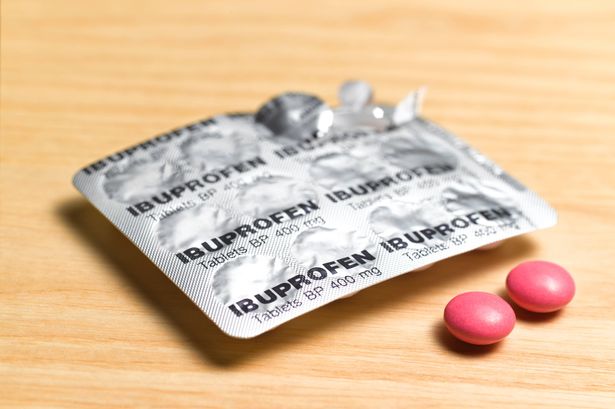
The National Health Service (NHS) has issued a warning regarding the use of ibuprofen, advising that eight specific groups of people should avoid this common medication. Ibuprofen, widely available over the counter, is often used to relieve pain and reduce inflammation. The NHS encourages individuals to “check the packet” before use, as certain health conditions can lead to serious complications from taking this drug.
Ibuprofen is classified as a non-steroidal anti-inflammatory drug (NSAID). It is effective for several ailments, including headaches, migraines, joint and muscle pain, pain after an injury, toothaches, menstrual pain, and the reduction of fever. Despite its widespread availability, the NHS emphasizes that ibuprofen is not suitable for everyone.
Groups Advised to Avoid Ibuprofen
Individuals should refrain from using ibuprofen if they fit into any of the following categories:
1. Those who have experienced an allergic reaction to ibuprofen, aspirin, or other NSAIDs.
2. People with a history of stomach ulcers.
3. Individuals suffering from asthma or allergies, such as hay fever.
4. Those currently battling chickenpox.
5. Patients with heart, liver, or kidney conditions.
6. Individuals with blood clotting issues.
7. Anyone who has previously suffered a stroke.
8. Pregnant women or those trying to conceive.
The NHS advises, “Check the packet or leaflet that comes with your medicine to see if it’s suitable for you. Speak to a pharmacist or doctor if you’re not sure if you can use it.” In addition, the health body highlights that ibuprofen may cause more side effects than paracetamol, suggesting the latter as a potentially safer alternative for those who can take it.
Side Effects and Usage Guidelines
While ibuprofen can be beneficial, it is important to be aware of its potential side effects. Common side effects may include indigestion, stomach aches, nausea, vomiting, headaches, rashes, dizziness, and changes in bowel habits. More serious side effects can involve stomach ulcers or internal bleeding, which may present symptoms such as abdominal pain, shortness of breath, or blood in vomit or stool. An allergic reaction, although rare, can lead to severe symptoms like swelling of the throat or tongue and difficulty breathing.
The NHS notes that ibuprofen in gel or spray form is less likely to cause side effects compared to tablets or capsules. It is generally safe for driving or operating machinery; however, users are advised to refrain from these activities if they experience dizziness after taking the medication.
Users should not take ibuprofen tablets or capsules for longer than ten days without medical advice. The NHS further states, “See a GP if your pain gets worse or does not go away.” For comprehensive information on dosage, administration, and potential side effects, individuals can consult the NHS website.
By raising awareness about the risks associated with ibuprofen, the NHS aims to ensure safe usage and prevent unnecessary health complications for vulnerable populations.

Welsh Ambulance Service Targets Frequent 999 Callers for Support

Welsh Ambulance Service Targets Frequent 999 Callers for Better Care

Bremen’s Marble Imaging Secures €5.3M for Revolutionary Satellites

WNBA and Players Association Secure 40-Day Extension on CBA Talks

Three Vacant West Midlands Homes Auctioned for £50,000 Each

Four Long-Standing Suspects Remain at Large on West Midlands List

Taste Test Reveals Best Mince Pies from Major UK Supermarkets

Baba Vanga Predicts Alien Contact and Global Upheaval in 2026

Astronomers Uncover the Pulsating Mystery of 3I/ATLAS

Iconic 90s TV Show House Hits Market for £1.1 Million

Milk Bank Urges Mothers to Donate for Premature Babies’ Health

Alessia Russo Signs Long-Term Deal with Arsenal Ahead of WSL Season

Shoppers Flock to Discounted Neck Pillow on Amazon for Travel Comfort

Museums Body Critiques EHRC Proposals on Gender Facilities

Trump Visits Europe: Business, Politics, or Leisure?

Japanese Teen Sorato Shimizu Breaks U18 100m Record in 10 Seconds

Couple Shares Inspiring Love Story Defying Height Stereotypes

Anglian Water Raises Concerns Over Proposed AI Data Centre
-
 Entertainment2 months ago
Iconic 90s TV Show House Hits Market for £1.1 Million
-
 Lifestyle4 months ago
Milk Bank Urges Mothers to Donate for Premature Babies’ Health
-
 Sports3 months ago
Alessia Russo Signs Long-Term Deal with Arsenal Ahead of WSL Season
-
 Lifestyle4 months ago
Shoppers Flock to Discounted Neck Pillow on Amazon for Travel Comfort
-
 Politics4 months ago
Museums Body Critiques EHRC Proposals on Gender Facilities
-
 Business4 months ago
Trump Visits Europe: Business, Politics, or Leisure?
-
 Lifestyle4 months ago
Japanese Teen Sorato Shimizu Breaks U18 100m Record in 10 Seconds
-
 Politics4 months ago
Couple Shares Inspiring Love Story Defying Height Stereotypes
-
 World4 months ago
Anglian Water Raises Concerns Over Proposed AI Data Centre
-

 Sports4 months ago
Bournemouth Dominates Everton with 3-0 Victory in Premier League Summer Series
-

 World4 months ago
Wreckage of Missing Russian Passenger Plane Discovered in Flames
-

 Lifestyle4 months ago
Shoppers Rave About Roman’s £42 Midi Dress, Calling It ‘Elegant’