
Health
Pandemic Stress Boosted Teen Vaping Susceptibility, Study Finds

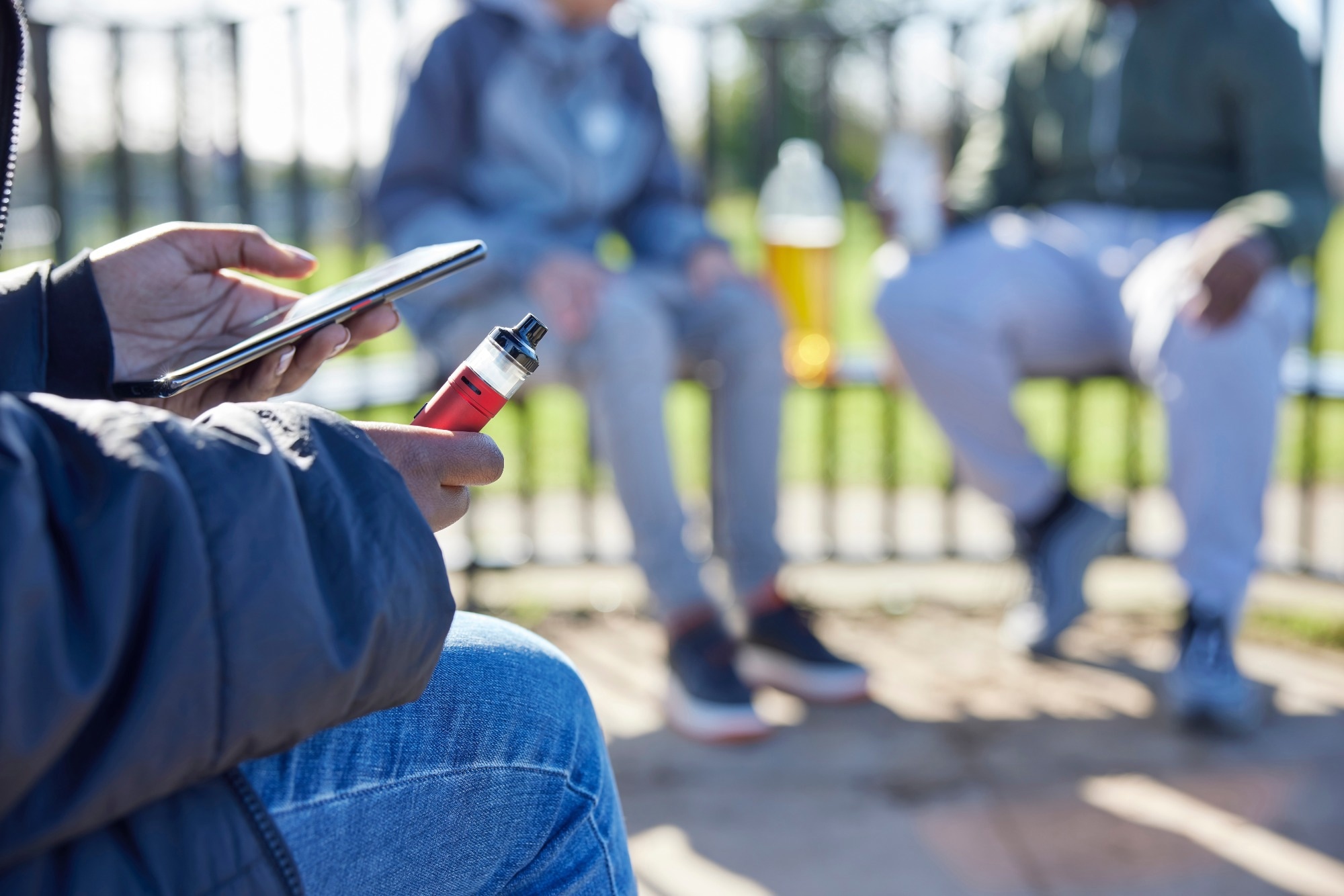
New research reveals that stress associated with the COVID-19 pandemic did not directly lead adolescents to vaping. Instead, it increased their susceptibility to trying e-cigarettes and cannabis long after schools reopened. The study, published in the journal PLoS One, involved researchers from the University of Southern California who assessed how pandemic-related stress during remote learning influenced vaping behaviors among high school students.
The investigation tracked the vaping patterns of 1,316 public school students in Los Angeles County over three years, beginning with the onset of the pandemic. The first survey took place during the 2020-2021 academic year, when schools were closed. Subsequent surveys were conducted during the 2021-2022 and 2022-2023 academic years, respectively.
Study Design and Methodology
Researchers measured COVID-related stress using a multi-item checklist assessing various life factors, including family dynamics and social pressures. They also evaluated the students’ susceptibility to using e-cigarettes and cannabis, which was marked by a shift from a firm “no” to a “maybe.” Current usage was recorded at the beginning and end of the study using questions from the Youth Risk Behavior Surveillance System (YRBSS).
The longitudinal nature of the study allowed researchers to analyze the effect of stress on later vaping behaviors. They employed regression-based path models to explore direct and indirect effects, providing a comprehensive analysis of how early pandemic stress impacted subsequent vaping risks.
Key Findings of the Research
The findings showed that early pandemic stress was linked to increased susceptibility to vaping. At the beginning of the study, only 3.6% of participants reported using e-cigarettes in the past 30 days, which rose to 6.4% by the study’s end. Cannabis vaping also saw an increase from 2.9% to 7.4% during the same period.
The average COVID-related stress score among students was 18.99, with a standard deviation of 4.93. Notably, susceptibility to nicotine vaping was observed in 38.4% of respondents by the second survey, while 19.9% showed susceptibility to cannabis vaping.
The study demonstrated that each standard deviation increase in stress correlated with a 24% increase in the odds of e-cigarette use and a 30% increase for cannabis use at the end of the study. Furthermore, the analysis indicated that heightened stress levels led to increased susceptibility, which in turn raised the likelihood of later vaping.
The authors highlighted that the shift in perception—from “definitely not” to “maybe”—was crucial in understanding the connection between pandemic stress and later vaping behaviors. This change was particularly pronounced among cannabis users, suggesting that societal norms surrounding cannabis may play a role in the increased likelihood of experimentation.
The study’s limitations include potential biases related to the demographics of participants and the specific context of Southern California, which may not be representative of broader trends. Additionally, factors such as peer influence and mental health history were noted as possible unmeasured variables that could affect the results.
In conclusion, the study underscores the importance of addressing adolescent stress and its long-term implications for health. Families and educators are encouraged to foster coping mechanisms and open dialogues about vaping. Preventive measures should focus on reducing susceptibility among teens, utilizing both in-person and digital strategies to engage them effectively.
For policymakers and healthcare providers, the findings serve as a reminder of the need for robust support systems during crises, particularly to safeguard the health and well-being of young people.
Lee et al. (2025) conducted this pivotal research, which offers critical insights into the relationship between stress and adolescent substance use during a tumultuous period in their lives.

Welsh Ambulance Service Targets Frequent 999 Callers for Support

Welsh Ambulance Service Targets Frequent 999 Callers for Better Care

Bremen’s Marble Imaging Secures €5.3M for Revolutionary Satellites

WNBA and Players Association Secure 40-Day Extension on CBA Talks

Three Vacant West Midlands Homes Auctioned for £50,000 Each

Four Long-Standing Suspects Remain at Large on West Midlands List

Taste Test Reveals Best Mince Pies from Major UK Supermarkets

Baba Vanga Predicts Alien Contact and Global Upheaval in 2026

Astronomers Uncover the Pulsating Mystery of 3I/ATLAS

Iconic 90s TV Show House Hits Market for £1.1 Million

Milk Bank Urges Mothers to Donate for Premature Babies’ Health

Alessia Russo Signs Long-Term Deal with Arsenal Ahead of WSL Season

Shoppers Flock to Discounted Neck Pillow on Amazon for Travel Comfort

Museums Body Critiques EHRC Proposals on Gender Facilities

Trump Visits Europe: Business, Politics, or Leisure?

Japanese Teen Sorato Shimizu Breaks U18 100m Record in 10 Seconds

Couple Shares Inspiring Love Story Defying Height Stereotypes

Anglian Water Raises Concerns Over Proposed AI Data Centre
-
 Entertainment2 months ago
Iconic 90s TV Show House Hits Market for £1.1 Million
-
 Lifestyle4 months ago
Milk Bank Urges Mothers to Donate for Premature Babies’ Health
-
 Sports3 months ago
Alessia Russo Signs Long-Term Deal with Arsenal Ahead of WSL Season
-
 Lifestyle4 months ago
Shoppers Flock to Discounted Neck Pillow on Amazon for Travel Comfort
-
 Politics4 months ago
Museums Body Critiques EHRC Proposals on Gender Facilities
-
 Business4 months ago
Trump Visits Europe: Business, Politics, or Leisure?
-
 Lifestyle4 months ago
Japanese Teen Sorato Shimizu Breaks U18 100m Record in 10 Seconds
-
 Politics4 months ago
Couple Shares Inspiring Love Story Defying Height Stereotypes
-
 World4 months ago
Anglian Water Raises Concerns Over Proposed AI Data Centre
-

 Sports4 months ago
Bournemouth Dominates Everton with 3-0 Victory in Premier League Summer Series
-

 World4 months ago
Wreckage of Missing Russian Passenger Plane Discovered in Flames
-

 Lifestyle4 months ago
Shoppers Rave About Roman’s £42 Midi Dress, Calling It ‘Elegant’