
Health
Research Links Sorbitol to Increased Liver Disease Risk

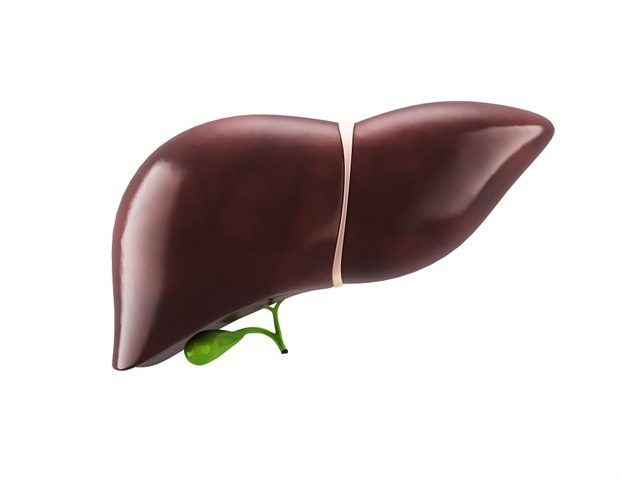
Recent research indicates that the sugar alcohol sorbitol may significantly increase the risk of developing steatotic liver disease. This finding challenges the long-held belief that sweeteners such as sorbitol, commonly used in low-calorie foods, are healthier alternatives to refined sugars. The study, published in the journal Science Signaling, stems from ongoing research at Washington University in St. Louis, led by Gary Patti, who is the Michael and Tana Powell Professor of Chemistry.
The study builds on previous research linking fructose to liver damage, affecting approximately 30% of the adult population worldwide. According to Patti, sorbitol is “one transformation away from fructose,” meaning it can induce similar harmful effects on the liver. The research involved zebrafish to demonstrate how sorbitol, often found in low-calorie candies and stone fruits, can be produced by gut enzymes and subsequently converted into fructose in the liver.
Experiments revealed that sorbitol production occurs naturally in the gut, particularly after consuming high levels of glucose. Although sorbitol metabolism has primarily been studied in the context of diabetes, it is produced even in healthy individuals following a meal. Sorbitol production is facilitated by an enzyme that requires elevated glucose levels, a scenario more common in diabetic patients. Nonetheless, even healthy individuals can experience significant sorbitol production after meals.
The research highlights the role of gut bacteria in processing sorbitol. While certain strains, such as Aeromonas, can convert sorbitol into harmless byproducts, the absence of beneficial bacteria can lead to accumulation in the liver. Patti emphasized that when gut bacteria cannot adequately degrade sorbitol, it can enter the liver and be converted into fructose derivatives. This conversion raises concerns about the safety of sugar alcohols, especially for those who rely on these products as alternatives to sugar.
Patti noted, “Gut bacteria do a good job of clearing sorbitol when it is present at modest levels, such as those found in fruit.” Problems arise, however, when dietary sorbitol and glucose intake exceed what gut bacteria can manage. Increased consumption can overwhelm even the beneficial bacteria that typically help clear sorbitol.
The research has implications for individuals with metabolic disorders, who may be consuming “sugar-free” products without understanding the potential risks. As Patti discovered, even popular protein bars may contain significant amounts of sorbitol. This finding underscores the need for further investigation into the mechanisms through which gut bacteria metabolize sorbitol and the broader implications for liver health.
Overall, the study suggests that the pursuit of healthier sugar alternatives may not be as straightforward as previously thought. The findings serve as a reminder that there is “no free lunch” in the quest for sweeteners that do not impact health.
For those interested in the detailed findings, the study is documented in the publication by Patti’s research team, with the title “Intestine-derived sorbitol drives steatotic liver disease in the absence of gut bacteria,” set to be published in March 2025. The growing body of evidence highlights the need for cautious consumption of sugar substitutes and a deeper understanding of their effects on liver health.

Urgent Call for Funding to Prevent Legal Aid System Collapse

Billy Crudup Reflects on Naomi Watts as His Soulmate

Influencers Face Scrutiny for Providing Misleading Medical Advice

Princess of Wales Dazzles at State Banquet for German President

U.S. House Postpones Vote on College Athlete Compensation Bill

Private Garden Ponds: A Double-Edged Sword for Urban Biodiversity

Jet2 Flight Makes Historic Return of Boeing to Blackpool Airport

Major Weapon Changes in Black Ops 7 and Warzone Season 1

Wes Streeting Initiates Inquiry into Mental Health Overdiagnosis

Iconic 90s TV Show House Hits Market for £1.1 Million

Milk Bank Urges Mothers to Donate for Premature Babies’ Health

Alessia Russo Signs Long-Term Deal with Arsenal Ahead of WSL Season

Shoppers Flock to Discounted Neck Pillow on Amazon for Travel Comfort

Museums Body Critiques EHRC Proposals on Gender Facilities

Trump Visits Europe: Business, Politics, or Leisure?

Japanese Teen Sorato Shimizu Breaks U18 100m Record in 10 Seconds

Couple Shares Inspiring Love Story Defying Height Stereotypes

Anglian Water Raises Concerns Over Proposed AI Data Centre
-
 Entertainment2 months ago
Iconic 90s TV Show House Hits Market for £1.1 Million
-
 Lifestyle4 months ago
Milk Bank Urges Mothers to Donate for Premature Babies’ Health
-
 Sports3 months ago
Alessia Russo Signs Long-Term Deal with Arsenal Ahead of WSL Season
-
 Lifestyle4 months ago
Shoppers Flock to Discounted Neck Pillow on Amazon for Travel Comfort
-
 Politics4 months ago
Museums Body Critiques EHRC Proposals on Gender Facilities
-
 Business4 months ago
Trump Visits Europe: Business, Politics, or Leisure?
-
 Lifestyle4 months ago
Japanese Teen Sorato Shimizu Breaks U18 100m Record in 10 Seconds
-
 Politics4 months ago
Couple Shares Inspiring Love Story Defying Height Stereotypes
-
 World4 months ago
Anglian Water Raises Concerns Over Proposed AI Data Centre
-

 Sports4 months ago
Bournemouth Dominates Everton with 3-0 Victory in Premier League Summer Series
-

 World4 months ago
Wreckage of Missing Russian Passenger Plane Discovered in Flames
-

 Lifestyle4 months ago
Shoppers Rave About Roman’s £42 Midi Dress, Calling It ‘Elegant’