
Health
Vaccines Demonstrate Lifesaving Impact on Public Health and Economy

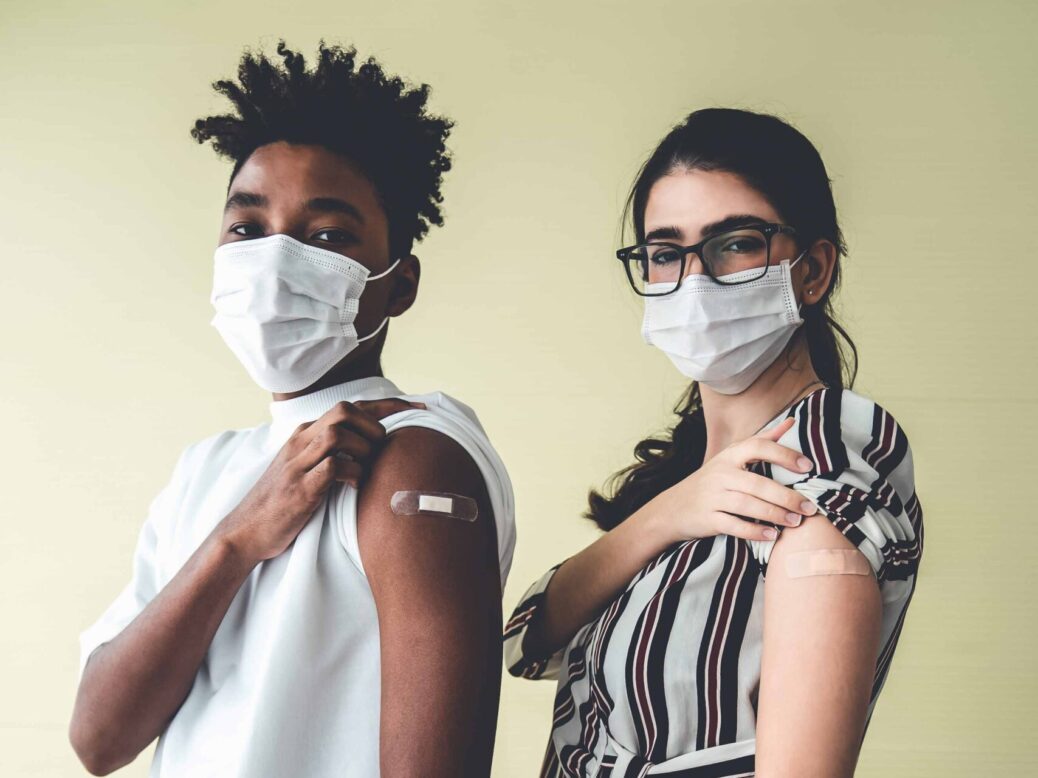
Vaccines play a critical role in safeguarding public health, preventing an estimated 3.5 to 5 million deaths each year, according to the World Health Organization. This remarkable achievement translates to saving one life approximately every ten seconds. The polio vaccine alone has allowed around 20 million people worldwide to walk today, who would otherwise have faced paralysis. Despite these significant benefits, skepticism about vaccines is on the rise, leading to decreased investment and increased vaccine hesitancy.
The urgency to communicate the value of vaccinations is more pressing than ever, especially as illnesses contribute to lost working days. Fortunately, research conducted by the Royal Society for Public Health indicates that individuals aged 11 to 70 recognize the importance of vaccines for their health. Addressing concerns about side effects and vaccine mechanisms with clear evidence can help alleviate public apprehension.
The collective benefits of vaccinations extend beyond individual protection; they bolster societal health. High vaccine uptake protects healthcare systems, reduces antimicrobial resistance, and supports economic growth. Data from the UK Health Security Agency reveals that the flu vaccine alone prevented approximately 100,000 hospitalisations last winter, resulting in about 820 fewer patients needing hospital beds each day during peak season.
Additionally, the vaccine for respiratory syncytial virus (RSV) has proven effective, preventing nearly one in three individuals from requiring hospitalization when infected. In Scotland, the impact was even more pronounced, with close to three in five eligible individuals avoiding hospital stays due to the vaccine. The reduction in hospitalisation for preventable diseases allows the NHS to allocate resources to treat other medical conditions throughout the year.
Vaccines also alleviate pressure on general practitioner (GP) services. When more individuals receive vaccinations, the number of GP appointments related to respiratory illnesses, such as flu and pneumonia, tends to decline. Vaccinated individuals generally experience milder symptoms or avoid illness altogether.
The link between vaccinations and antimicrobial resistance is crucial yet often overlooked. By reducing the incidence of infectious diseases, vaccines limit opportunities for microbes to mutate into resistant strains. Consequently, fewer illnesses could lead to decreased antibiotic use. Research led by the World Health Organization indicates that improving vaccine utilization could potentially lower global antibiotic consumption by 22%, equating to hundreds of millions of doses.
The economic implications of vaccinations may be surprising to some. While vaccines are typically viewed as public health interventions, they also significantly contribute to economic productivity. Studies show that more than half of the British workforce works while ill with flu, causing productivity losses of up to 46%. This phenomenon, known as presenteeism, underscores the need for employers to implement health interventions, such as offering annual flu vaccinations to employees.
In the UK, flu accounts for approximately 4.8 million days of lost work annually, costing the economy about £644 million. This figure is comparable to government funding allocated for social care responsibilities in the 2025-26 fiscal year.
The broader health crisis among the workforce cannot be ignored, with one in five working-age individuals reporting health conditions that limit their ability to work. The call for UK workplaces to become pivotal in delivering public health interventions is clear. Simple and cost-effective measures, such as vaccinations, could play a vital role in addressing this issue.
Investment in vaccine research and development (R&D) also yields substantial benefits. Vaccine R&D has driven advancements across various fields, including medicine and biology, and has improved laboratory and manufacturing capabilities, all of which contribute to economic growth. The Department for Science, Innovation and Technology has stated that each £1 invested in R&D generates £7 in net economic benefits for the UK.
While high-quality vaccine research and development require time, commitment, and supportive policies, it is essential to consistently communicate the positive impacts of vaccines. Publications highlighting these benefits are crucial in reinforcing the role of vaccines in improving public health, supporting the NHS, and stimulating economic growth.
This article originally appeared in “The UK’s mRNA Opportunity: Growth, Resilience, Leadership,” a report funded by Moderna. Participants did not receive compensation, and their views are independent and not influenced by the funding source.

Welsh Ambulance Service Targets Frequent 999 Callers for Support

Welsh Ambulance Service Targets Frequent 999 Callers for Better Care

Bremen’s Marble Imaging Secures €5.3M for Revolutionary Satellites

WNBA and Players Association Secure 40-Day Extension on CBA Talks

Three Vacant West Midlands Homes Auctioned for £50,000 Each

Four Long-Standing Suspects Remain at Large on West Midlands List

Taste Test Reveals Best Mince Pies from Major UK Supermarkets

Baba Vanga Predicts Alien Contact and Global Upheaval in 2026

Astronomers Uncover the Pulsating Mystery of 3I/ATLAS

Iconic 90s TV Show House Hits Market for £1.1 Million

Milk Bank Urges Mothers to Donate for Premature Babies’ Health

Alessia Russo Signs Long-Term Deal with Arsenal Ahead of WSL Season

Shoppers Flock to Discounted Neck Pillow on Amazon for Travel Comfort

Museums Body Critiques EHRC Proposals on Gender Facilities

Trump Visits Europe: Business, Politics, or Leisure?

Japanese Teen Sorato Shimizu Breaks U18 100m Record in 10 Seconds

Couple Shares Inspiring Love Story Defying Height Stereotypes

Anglian Water Raises Concerns Over Proposed AI Data Centre
-
 Entertainment2 months ago
Iconic 90s TV Show House Hits Market for £1.1 Million
-
 Lifestyle4 months ago
Milk Bank Urges Mothers to Donate for Premature Babies’ Health
-
 Sports3 months ago
Alessia Russo Signs Long-Term Deal with Arsenal Ahead of WSL Season
-
 Lifestyle4 months ago
Shoppers Flock to Discounted Neck Pillow on Amazon for Travel Comfort
-
 Politics4 months ago
Museums Body Critiques EHRC Proposals on Gender Facilities
-
 Business4 months ago
Trump Visits Europe: Business, Politics, or Leisure?
-
 Lifestyle4 months ago
Japanese Teen Sorato Shimizu Breaks U18 100m Record in 10 Seconds
-
 Politics4 months ago
Couple Shares Inspiring Love Story Defying Height Stereotypes
-
 World4 months ago
Anglian Water Raises Concerns Over Proposed AI Data Centre
-

 Sports4 months ago
Bournemouth Dominates Everton with 3-0 Victory in Premier League Summer Series
-

 World4 months ago
Wreckage of Missing Russian Passenger Plane Discovered in Flames
-

 Lifestyle4 months ago
Shoppers Rave About Roman’s £42 Midi Dress, Calling It ‘Elegant’