
Lifestyle
Authorities Seize £1.5 Million in Counterfeit Goods Before Christmas Market

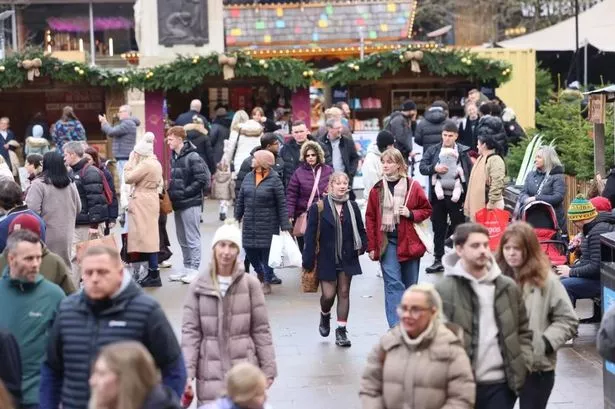
Counterfeit goods valued at approximately £1.5 million were confiscated just days before a major Christmas market in Newcastle. The operation, carried out by Trading Standards Officers on December 3, 2025, followed a tip-off from the UK Border Force, leading to the discovery of a significant cache of fake merchandise at a self-storage facility in the city.
During the raid, officials uncovered hundreds of containers filled with counterfeit items, including luxury brands such as Chanel, Bvlgari, and Vivienne Westwood. The sheer scale of the operation was unprecedented for the region, prompting authorities to believe the site was functioning as an illegal “fulfilment house,” where goods were stored and dispatched across the UK.
According to Trading Standards Officer Paul Leighton, the scene resembled a department store with all items being counterfeit. “It was like walking into a department store, but nothing is real,” he stated. The operation revealed items ranging from watches by Omega and Swatch to trainers from Adidas and New Balance. Notably, the haul included 5,951 pairs of trainers, which alone could retail for nearly £600,000.
Investigation and Implications
Following the seizure, the goods were transported to a secure location for further investigation. Newcastle City Council is collaborating with brand representatives and the Anti-Counterfeiting Group to verify the authenticity of the items. This process could lead to legal actions against the perpetrators involved.
Deputy leader of Newcastle City Council, Cllr Alex Hay, praised the prompt action of the Trading Standards team. He emphasized that the operation not only aimed to protect consumers but also to disrupt organized crime that profits from counterfeit goods. “People may think that buying counterfeit goods is a victimless crime, but electronics can overheat and start fires, fragrances can burn skin, and medicines can cause serious side effects,” he explained.
The presence of counterfeit goods can have far-reaching consequences, not only for consumers but also for legitimate businesses that lose revenue to this illicit trade. The local council is urging consumers to be vigilant when shopping during the festive season, highlighting the risks associated with counterfeit products.
Broader Context of Counterfeiting
Phil Lewis, Director General of the Anti-Counterfeiting Group, commended the collaboration with Newcastle City Trading Standards. He noted that more than 80% of counterfeit products originate from China and Hong Kong, underscoring the global nature of the problem. “The removal of these from the market will impact on criminal profits and prevent increasing dangers to the public,” Lewis remarked.
The operation reflects a growing concern over the prevalence of counterfeit goods, which can often contain harmful substances. Counterfeit jewellery and watches may include toxic materials such as lead and cadmium, while clothing may feature harmful dyes.
The successful interception of these counterfeit goods illustrates the crucial role of Trading Standards in the enforcement ecosystem in the UK. With ongoing support, authorities aim to create a safer marketplace for consumers and protect legitimate businesses from the damaging effects of counterfeiting.

Urgent Call for Funding to Prevent Legal Aid System Collapse

Billy Crudup Reflects on Naomi Watts as His Soulmate

Influencers Face Scrutiny for Providing Misleading Medical Advice

Princess of Wales Dazzles at State Banquet for German President

U.S. House Postpones Vote on College Athlete Compensation Bill

Private Garden Ponds: A Double-Edged Sword for Urban Biodiversity

Jet2 Flight Makes Historic Return of Boeing to Blackpool Airport

Major Weapon Changes in Black Ops 7 and Warzone Season 1

Wes Streeting Initiates Inquiry into Mental Health Overdiagnosis

Iconic 90s TV Show House Hits Market for £1.1 Million

Milk Bank Urges Mothers to Donate for Premature Babies’ Health

Alessia Russo Signs Long-Term Deal with Arsenal Ahead of WSL Season

Shoppers Flock to Discounted Neck Pillow on Amazon for Travel Comfort

Museums Body Critiques EHRC Proposals on Gender Facilities

Trump Visits Europe: Business, Politics, or Leisure?

Japanese Teen Sorato Shimizu Breaks U18 100m Record in 10 Seconds

Couple Shares Inspiring Love Story Defying Height Stereotypes

Anglian Water Raises Concerns Over Proposed AI Data Centre
-
 Entertainment2 months ago
Iconic 90s TV Show House Hits Market for £1.1 Million
-
 Lifestyle4 months ago
Milk Bank Urges Mothers to Donate for Premature Babies’ Health
-
 Sports3 months ago
Alessia Russo Signs Long-Term Deal with Arsenal Ahead of WSL Season
-
 Lifestyle4 months ago
Shoppers Flock to Discounted Neck Pillow on Amazon for Travel Comfort
-
 Politics4 months ago
Museums Body Critiques EHRC Proposals on Gender Facilities
-
 Business4 months ago
Trump Visits Europe: Business, Politics, or Leisure?
-
 Lifestyle4 months ago
Japanese Teen Sorato Shimizu Breaks U18 100m Record in 10 Seconds
-
 Politics4 months ago
Couple Shares Inspiring Love Story Defying Height Stereotypes
-
 World4 months ago
Anglian Water Raises Concerns Over Proposed AI Data Centre
-

 Sports4 months ago
Bournemouth Dominates Everton with 3-0 Victory in Premier League Summer Series
-

 World4 months ago
Wreckage of Missing Russian Passenger Plane Discovered in Flames
-

 Lifestyle4 months ago
Shoppers Rave About Roman’s £42 Midi Dress, Calling It ‘Elegant’