
Lifestyle
Discovering the Spiritual Power of Monastic Homes Worldwide

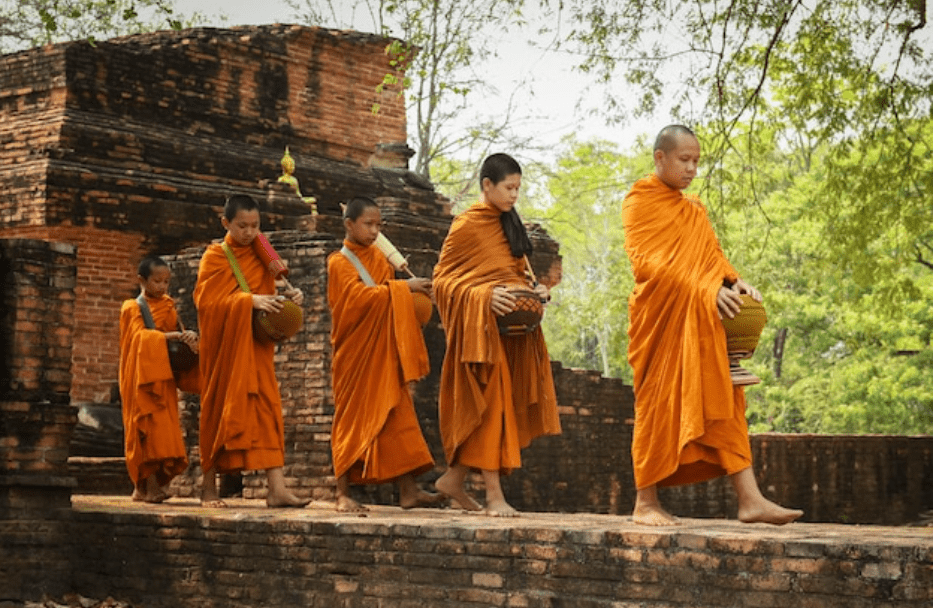
Across cultures and religions, individuals have long sought refuge from the noise of the outside world in places designed for spiritual growth. These sanctuaries, known as monasteries, ashrams, abbeys, temples, or hermitages, are more than mere residences; they serve as vital environments for self-discipline and devotion. From the ancient Buddhist Viharas of India to the secluded monasteries of Tibet, these homes provide a unique setting where seekers can pursue inner peace and clarity.
Understanding Monastic Homes
A home for monks is fundamentally a spiritual retreat. It emphasizes silence, prayer, and simplicity, guiding residents toward a higher level of awareness. Monks typically adhere to strict codes of conduct, which dictate their daily routines. They rise before dawn to meditate, study, and engage in work, with every aspect of life imbued with discipline. Meals are simple, rooms are basic, and time is purposefully allocated to minimize distractions.
The architecture of monasteries reflects this purpose. Prayer halls, meditation rooms, libraries, and gardens create a serene atmosphere conducive to introspection. For monks, the significance of their home lies not in material ownership but in its spiritual essence. The energy, devotion, and prayer that fill these spaces transform them into sacred grounds.
The Historical Evolution of Monastic Communities
The tradition of communal monastic living dates back over 2,500 years, rooted in ancient India with the rise of Buddhism. During his teachings, Siddhartha Gautama, known as the Buddha, inspired his followers to live in communal shelters called Viharas, which evolved into permanent residences for meditation and study. These centers became educational hubs, drawing scholars from across Asia and giving rise to notable institutions like Nalanda University.
Christian monasticism emerged in the 3rd and 4th centuries AD, primarily in the deserts of Egypt. The Desert Fathers, including the renowned Saint Anthony the Great, sought solitude for prayer and purity. Saint Benedict of Nursia later formulated the Rule of Saint Benedict, establishing foundational principles for Western monastic living, such as obedience and communal prayer. Monasteries spread throughout Europe, becoming centers for learning, agriculture, and charity.
As Buddhism spread to China, monasteries further developed, with the Shaolin Monastery serving as a prominent center for both spiritual and martial disciplines. In Japan, Zen monasteries refined meditation practices, while Tibetan institutions like Drepung and Sera emerged as spiritual universities, safeguarding ancient knowledge through generations.
Across various religions, including Hinduism, Jainism, and Islam, monastic life is characterized by simplicity and dedication. Ashrams in Hinduism, for instance, allow monks and spiritual seekers to live under the guidance of a guru, while Sufi orders in Islam maintain Khanqahs or Zawiyas for communal meditation.
The common thread among these diverse traditions is the creation of a disciplined environment fostering transformation.
Daily routines within these monastic communities typically begin before sunrise, with a focus on prayer or meditation. Following this, monks engage in study, work, and service, often observing prolonged periods of silence to deepen their awareness. Every task, no matter how mundane, is performed with mindfulness, reinforcing the belief that spiritual awareness permeates all actions.
Food is generally simple and vegetarian, with meals shared communally—often in silence—to cultivate gratitude. Modern distractions, including technology and entertainment, are largely eschewed, allowing monks to concentrate on their inner journey.
The Spiritual Significance and Modern Relevance
The spiritual significance of monastic homes transcends their physical structures. They embody humanity’s quest for truth and serve as training grounds for cultivating virtues like humility, patience, and compassion. Within these serene spaces, monks learn to observe their thoughts and emotions, fostering a detachment from ego and material desires.
Throughout history, monasteries have played crucial roles in preserving knowledge amid chaos. Monks have safeguarded ancient texts, advanced arts and music, and provided refuge to those in need. They serve as beacons of spiritual guidance, welcoming visitors who seek inspiration and tranquility.
In today’s fast-paced world, the principles exemplified by monastic living are increasingly relevant. Many individuals experience feelings of disconnection and anxiety despite material advancements. Monasteries and retreat centers worldwide now offer opportunities for lay visitors to engage in silence and mindfulness, allowing them to reconnect with their inner selves.
This resurgence of interest in monastic principles is evident in the growing popularity of mindfulness and yoga practices, which draw heavily from ancient traditions. The monastic model teaches valuable lessons: simplicity can alleviate stress, discipline fosters stability, and silence enhances awareness.
Architecturally, monasteries often reflect the beliefs of their inhabitants. Buddhist monasteries typically occupy serene natural settings, symbolizing harmony with the environment. In contrast, Christian abbeys feature high ceilings and open spaces that elevate the spirit. Each design choice serves a spiritual purpose, fostering contemplation and mindfulness.
Culturally, monastic homes play a vital role in preserving artistic and intellectual traditions. From Tibetan thangka paintings to Gregorian chants, these institutions have maintained some of humanity’s most profound artistic expressions.
In conclusion, a home for monks is far more than a physical structure; it embodies humanity’s highest ideals of peace, discipline, wisdom, and compassion. Across various cultures and epochs, these sanctuaries have guided countless individuals toward self-discovery and truth. Their central message remains clear: true happiness is not found in material possessions but grows from within through awareness and purpose.
Even for those who may never reside in a monastery, the essence of these sanctuaries can be embraced. By cultivating silence, simplifying one’s surroundings, and prioritizing inner peace, individuals can experience the transformative spirit of a monastic home—an enduring sanctuary for the soul that begins within each person.

Welsh Ambulance Service Targets Frequent 999 Callers for Support

Welsh Ambulance Service Targets Frequent 999 Callers for Better Care

Bremen’s Marble Imaging Secures €5.3M for Revolutionary Satellites

WNBA and Players Association Secure 40-Day Extension on CBA Talks

Three Vacant West Midlands Homes Auctioned for £50,000 Each

Four Long-Standing Suspects Remain at Large on West Midlands List

Taste Test Reveals Best Mince Pies from Major UK Supermarkets

Baba Vanga Predicts Alien Contact and Global Upheaval in 2026

Astronomers Uncover the Pulsating Mystery of 3I/ATLAS

Iconic 90s TV Show House Hits Market for £1.1 Million

Milk Bank Urges Mothers to Donate for Premature Babies’ Health

Alessia Russo Signs Long-Term Deal with Arsenal Ahead of WSL Season

Shoppers Flock to Discounted Neck Pillow on Amazon for Travel Comfort

Museums Body Critiques EHRC Proposals on Gender Facilities

Trump Visits Europe: Business, Politics, or Leisure?

Japanese Teen Sorato Shimizu Breaks U18 100m Record in 10 Seconds

Couple Shares Inspiring Love Story Defying Height Stereotypes

Anglian Water Raises Concerns Over Proposed AI Data Centre
-
 Entertainment2 months ago
Iconic 90s TV Show House Hits Market for £1.1 Million
-
 Lifestyle4 months ago
Milk Bank Urges Mothers to Donate for Premature Babies’ Health
-
 Sports3 months ago
Alessia Russo Signs Long-Term Deal with Arsenal Ahead of WSL Season
-
 Lifestyle4 months ago
Shoppers Flock to Discounted Neck Pillow on Amazon for Travel Comfort
-
 Politics4 months ago
Museums Body Critiques EHRC Proposals on Gender Facilities
-
 Business4 months ago
Trump Visits Europe: Business, Politics, or Leisure?
-
 Lifestyle4 months ago
Japanese Teen Sorato Shimizu Breaks U18 100m Record in 10 Seconds
-
 Politics4 months ago
Couple Shares Inspiring Love Story Defying Height Stereotypes
-
 World4 months ago
Anglian Water Raises Concerns Over Proposed AI Data Centre
-

 Sports4 months ago
Bournemouth Dominates Everton with 3-0 Victory in Premier League Summer Series
-

 World4 months ago
Wreckage of Missing Russian Passenger Plane Discovered in Flames
-

 Lifestyle4 months ago
Shoppers Rave About Roman’s £42 Midi Dress, Calling It ‘Elegant’