
Politics
Royal Navy Reduces Middle East Deployments as HMS Lancaster Exits

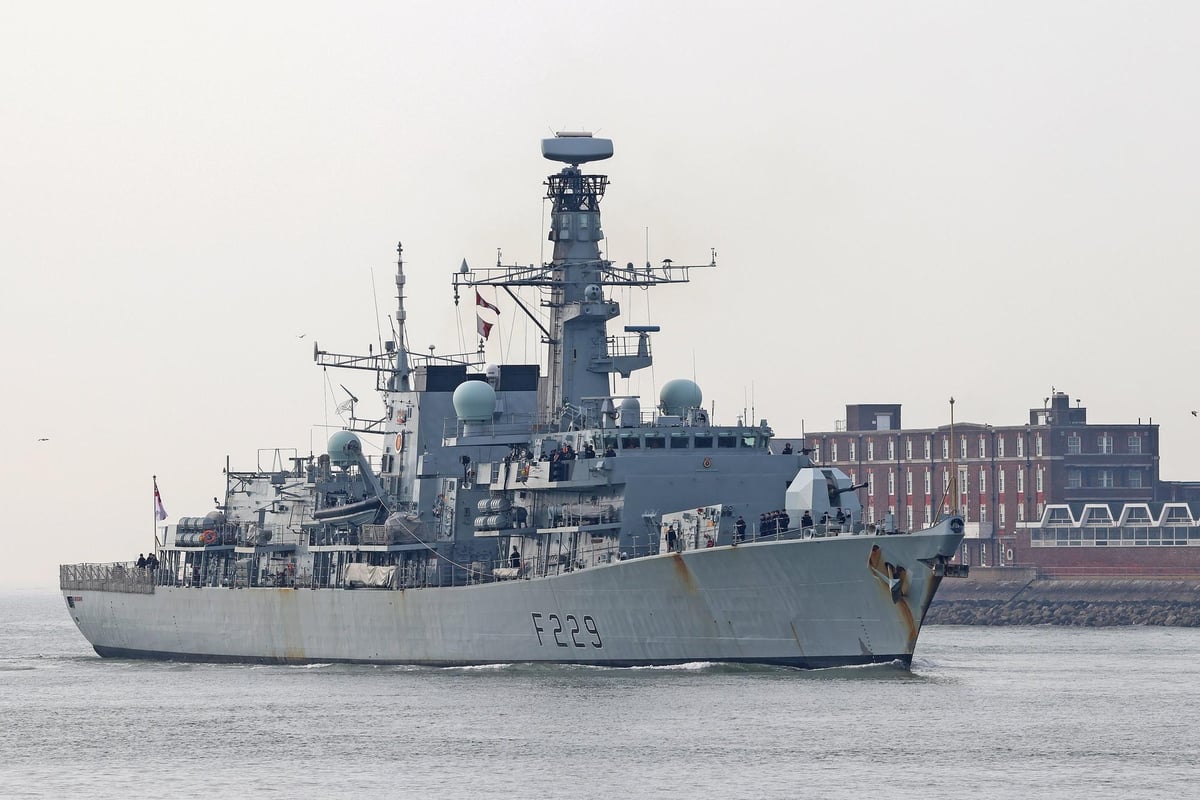
The Royal Navy is significantly reducing its deployments to the Middle East, with the number of ships dispatched falling from 17 in 2015 to only eight in 2025. This decline is highlighted by the recent departure of HMS Lancaster, a Type 23 Duke-class warship, which has left the region amid uncertainties regarding its future.
The information was confirmed by Colonel Al Carns RM, Parliamentary Under-Secretary for Defence, who outlined in a parliamentary session the number of vessels sent to the Middle East each year from 2015 to 2025. The figures show a marked reduction, with deployments dropping from 18 in 2021 to 11 in 2022.
In response to a question from Richard Holden, Conservative MP for Basildon and Billericay, regarding the adequacy of the Royal Navy’s presence given the security threats in the region, Colonel Carns explained that the number of deployments varies based on operational needs, support for specific missions, and the movement of ships transiting through the area.
“The Ministry of Defence keeps its force posture in the Middle East under continual review to safeguard the UK’s national security interests and operational requirements,” he stated. “We remain committed to working with our partners across the region.”
HMS Lancaster has played a vital role in the Middle East as part of Operation Kipion, aimed at maintaining peace and stability. Its efforts have been recognized, particularly in anti-drug smuggling operations, including a notable incident in October where a Royal Marine successfully intercepted a boat attempting to traffick a £35 million illegal drug shipment.
Currently, HMS Lancaster’s future is uncertain, with reports suggesting it may be scrapped upon returning to the UK. The Maritime Executive has indicated that the vessel will not be replaced due to budget constraints, manpower shortages, and a lack of suitable replacements for aging ships.
As of now, the only Royal Navy vessel stationed at the Juffair base in the Middle East is the Portsmouth-based minehunter HMS Middleton. The diminished naval presence raises questions about the UK’s strategic commitments in a region that continues to face multiple security challenges.
The reduction in naval deployments reflects a broader shift in military strategy, as the UK reassesses its operational capabilities and priorities in response to evolving global dynamics. The ongoing review of force posture underscores the complexities of maintaining security in a critical area while balancing domestic resources and international obligations.

Urgent Call for Funding to Prevent Legal Aid System Collapse

Billy Crudup Reflects on Naomi Watts as His Soulmate

Influencers Face Scrutiny for Providing Misleading Medical Advice

Princess of Wales Dazzles at State Banquet for German President

U.S. House Postpones Vote on College Athlete Compensation Bill

Private Garden Ponds: A Double-Edged Sword for Urban Biodiversity

Jet2 Flight Makes Historic Return of Boeing to Blackpool Airport

Major Weapon Changes in Black Ops 7 and Warzone Season 1

Wes Streeting Initiates Inquiry into Mental Health Overdiagnosis

Iconic 90s TV Show House Hits Market for £1.1 Million

Milk Bank Urges Mothers to Donate for Premature Babies’ Health

Alessia Russo Signs Long-Term Deal with Arsenal Ahead of WSL Season

Shoppers Flock to Discounted Neck Pillow on Amazon for Travel Comfort

Museums Body Critiques EHRC Proposals on Gender Facilities

Trump Visits Europe: Business, Politics, or Leisure?

Japanese Teen Sorato Shimizu Breaks U18 100m Record in 10 Seconds

Couple Shares Inspiring Love Story Defying Height Stereotypes

Anglian Water Raises Concerns Over Proposed AI Data Centre
-
 Entertainment2 months ago
Iconic 90s TV Show House Hits Market for £1.1 Million
-
 Lifestyle4 months ago
Milk Bank Urges Mothers to Donate for Premature Babies’ Health
-
 Sports3 months ago
Alessia Russo Signs Long-Term Deal with Arsenal Ahead of WSL Season
-
 Lifestyle4 months ago
Shoppers Flock to Discounted Neck Pillow on Amazon for Travel Comfort
-
 Politics4 months ago
Museums Body Critiques EHRC Proposals on Gender Facilities
-
 Business4 months ago
Trump Visits Europe: Business, Politics, or Leisure?
-
 Lifestyle4 months ago
Japanese Teen Sorato Shimizu Breaks U18 100m Record in 10 Seconds
-
 Politics4 months ago
Couple Shares Inspiring Love Story Defying Height Stereotypes
-
 World4 months ago
Anglian Water Raises Concerns Over Proposed AI Data Centre
-

 Sports4 months ago
Bournemouth Dominates Everton with 3-0 Victory in Premier League Summer Series
-

 World4 months ago
Wreckage of Missing Russian Passenger Plane Discovered in Flames
-

 Lifestyle4 months ago
Shoppers Rave About Roman’s £42 Midi Dress, Calling It ‘Elegant’