
Science
Montenegro’s Energy Future: TE Pljevlja to Operate Until 2040

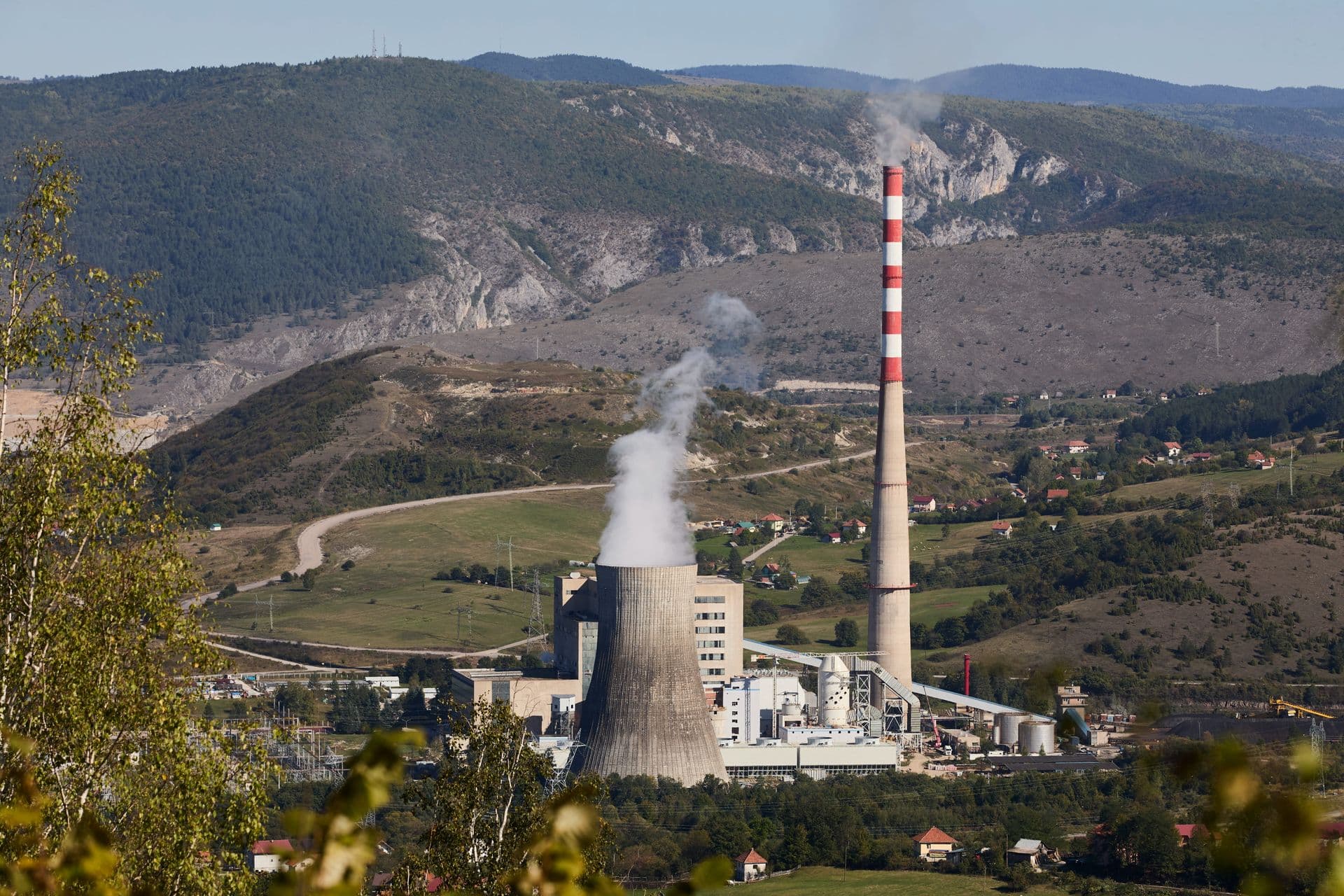
Montenegro’s government has confirmed that the TE Pljevlja power plant will remain operational until 2040, albeit with a reduction in annual operating hours. This decision comes as part of the recently adopted National Energy and Climate Plan (NEKP), which outlines the country’s energy strategy and commitments. Additionally, the plan indicates that HE Komarnica is scheduled to commence operations in 2032, followed by HE Kruševo in 2033.
For over four decades, TE Pljevlja has been the most reliable source of electricity in Montenegro, providing over 85 percent of the country’s domestic electricity production in conjunction with HE Perućica and HE Piva. In 2022, TE Pljevlja alone accounted for about 47.4 percent of the country’s annual electricity production. The plant has been offline since April 1, 2023, for ecological reconstruction.
The NEKP highlights the significant role of TE Pljevlja in stabilizing electricity supply and ensuring affordability in Montenegro. The plant not only supports the power grid but also directly and indirectly sustains over 3,000 jobs, playing a crucial role in the economy, especially in the northern regions of the country.
The government document states, “The Electric Power Company will continue to rely on TE Pljevlja for electricity production until a secure operational framework with sufficient new renewable energy sources is established.” It further notes that replacing electricity from TE Pljevlja with imports would significantly increase consumer prices.
The revised project documentation indicates that the ecological reconstruction of TE Pljevlja is expected to meet all criteria for obtaining an operational environmental permit. The aim is not necessarily to reduce greenhouse gas emissions but to limit air pollutants to legally mandated levels as per the Industrial Emissions Act. The project is anticipated to enhance energy efficiency.
The primary goal of this ecological reconstruction is to comply with prescribed limits for reducing air pollutant emissions from such facilities, ultimately securing an integrated operational permit. The NEKP acknowledges that while electricity prices from TE Pljevlja may rise due to increasing carbon costs, the plant will remain operational due to its significant social and economic impact, as well as its importance in maintaining energy security.
The National Energy and Climate Plan also proposes the development of a just transition plan for the coal region of Pljevlja. The objective is to comprehensively address the challenges arising from the transition away from a coal-based economy towards sustainable, low-carbon development, in line with EU regulations.
This plan aims to identify investments for the region’s future development, focusing on improving infrastructure and alternative land use currently occupied by coal mines. It emphasizes the preservation of existing jobs while creating new ones, offering retraining and upskilling opportunities, and mitigating the social consequences of coal phase-out.
Significant efforts are underway to diversify energy sources. The NEKP highlights strong interest in developing photovoltaic plants, alongside proposals for wind farms. The feasibility of establishing large-scale production facilities has been analyzed, revealing potential connections for 22 photovoltaic plants (with a combined capacity exceeding 3,300 MW) and five wind farms (totaling 720 MW).
Additionally, over 50 potential photovoltaic plants (with a combined capacity above 150 MW) are also being evaluated for connection to the distribution network. This interest primarily comes from private investors.
As of now, the construction of 32 small hydropower plants has been completed, with 13 small hydropower plants becoming operational in 2020 alone. Prior to that, 15 were completed, followed by another 11 in 2020 and six in 2021, all operating as privileged producers under concession agreements.
While HE Perućica and HE Piva dominate electricity production, TE Pljevlja remains a significant contributor. The NEKP highlights that although small hydropower plants provide some contribution, they do not serve as a substantial alternative. The potential cessation of TE Pljevlja operations and ongoing challenges with water shortages impacting hydropower emphasize the importance of expanding solar and wind energy initiatives.
Minister of Energy and Mining, Admir Šahmanović, remarked after the NEKP was adopted that significant efforts have been made over the past eight months to finalize two key documents, which have been awaited for years and are critical for meeting European obligations.
“We have adopted the National Energy and Climate Plan, a comprehensive strategy that clearly defines Montenegro’s objectives for 2030: a 55 percent reduction in emissions, at least 50 percent of energy from renewable sources, and substantial progress in energy efficiency,” Šahmanović stated.
He emphasized that this plan facilitates new investments, new renewable energy plants, modern grid infrastructure, and a secure transition for Pljevlja.
The proposed law on cross-border electricity and gas trade is considered one of the most significant pieces of energy legislation in this mandate. Šahmanović added that this law not only addresses technical aspects but also opens the doors to the single European market. It directly influences the closure of Chapter 15 in negotiations and underscores the importance of connecting with Italy and the EU market.
This connection will enhance supply security, foster competition, stabilize prices, and improve Montenegro’s economic position. The Minister noted that the latest European Commission report confirmed progress in these areas, and government decisions reflect this advancement, laying the groundwork for a more secure, modern, and European Montenegro.
The Ministry of Energy and Mining stated that the adoption of these strategic documents marks a significant step towards aligning with European energy regulations. The NEKP integrates energy, climate, and developmental policies into a unified framework, establishing clear objectives and measurable outcomes.
The implementation of this plan will enable faster development of renewable sources, modernization of the power infrastructure, improved energy efficiency, and more effective management of emissions and climate risks. The cross-border electricity and gas trade law signifies the most comprehensive reform of energy legislation in the last decade, transitioning from a basic regulatory framework to a full European market system encompassing market, technical, and security rules.
These initiatives create the conditions for Montenegro’s participation in the mechanisms of the joint European market, strengthening energy security and fostering a competitive environment that promotes investment. Together, these documents represent the most significant reform package in the energy sector in recent years, fully aligned with European legislation and strategic priorities.
The government and the Ministry of Energy and Mining are committed to continuing energy and climate reforms, confident that the progress made will facilitate faster alignment with the EU and a more secure energy future for citizens and businesses alike.

Montenegrin Documentary “To Hold a Mountain” Premieres at Sundance

Causeway Coast Dog Rescue Raises Alarm Over ‘Disposable Dogs’

Clash Over Machynlleth Post Office Downgrade Sparks Outrage

Roche Unveils Promising Data for Giredestrant in Early Breast Cancer

Portsmouth’s Young Striker Shines on Loan While First Team Struggles

KLM Expands UK Operations with Up to 71 Daily Flights

Sarkozy Reflects on 20 Days in Prison in New Memoir

New Projects at Grangemouth Set to Create 460 Jobs

Spice Offers Alternative to Omeprazole for Heartburn Relief

Iconic 90s TV Show House Hits Market for £1.1 Million

Milk Bank Urges Mothers to Donate for Premature Babies’ Health

Alessia Russo Signs Long-Term Deal with Arsenal Ahead of WSL Season

Shoppers Flock to Discounted Neck Pillow on Amazon for Travel Comfort

Museums Body Critiques EHRC Proposals on Gender Facilities

Trump Visits Europe: Business, Politics, or Leisure?

Japanese Teen Sorato Shimizu Breaks U18 100m Record in 10 Seconds

Couple Shares Inspiring Love Story Defying Height Stereotypes

Anglian Water Raises Concerns Over Proposed AI Data Centre
-
 Entertainment3 months ago
Iconic 90s TV Show House Hits Market for £1.1 Million
-
 Lifestyle5 months ago
Milk Bank Urges Mothers to Donate for Premature Babies’ Health
-
 Sports3 months ago
Alessia Russo Signs Long-Term Deal with Arsenal Ahead of WSL Season
-
 Lifestyle4 months ago
Shoppers Flock to Discounted Neck Pillow on Amazon for Travel Comfort
-
 Politics5 months ago
Museums Body Critiques EHRC Proposals on Gender Facilities
-
 Business5 months ago
Trump Visits Europe: Business, Politics, or Leisure?
-
 Lifestyle5 months ago
Japanese Teen Sorato Shimizu Breaks U18 100m Record in 10 Seconds
-
 Politics4 months ago
Couple Shares Inspiring Love Story Defying Height Stereotypes
-
 World5 months ago
Anglian Water Raises Concerns Over Proposed AI Data Centre
-

 Sports4 months ago
Nathan Cleary’s Family Celebrates Engagement Amid Romance Rumors
-

 Sports5 months ago
Bournemouth Dominates Everton with 3-0 Victory in Premier League Summer Series
-

 World5 months ago
Wreckage of Missing Russian Passenger Plane Discovered in Flames