
Top Stories
Australia Enforces 16-Year Age Limit on Social Media Platforms

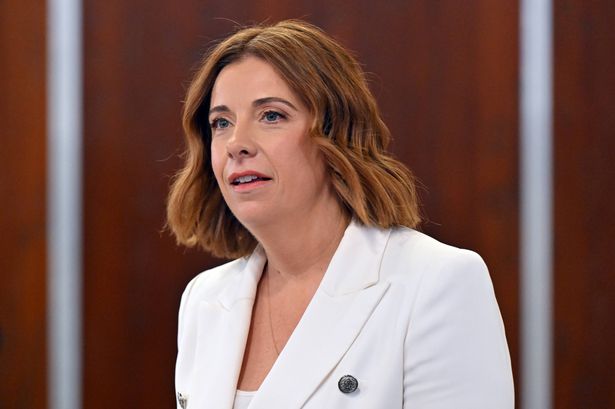
Australia is set to enforce a strict age limit of 16 for social media platforms starting December 10, 2023. Following a recent ministerial announcement, major platforms including Facebook, Instagram, TikTok, and YouTube will face potential fines of up to **50 million Australian dollars** (approximately **$33 million**) if they fail to effectively remove accounts belonging to users under this age.
Mandatory Reporting and Compliance Measures
Beginning next week, social media companies will be required to report monthly on the number of children’s accounts they close. The Australian eSafety Commissioner will initiate this compliance by sending out notices to the ten targeted platforms on **December 11, 2023**. These notices will continue for a period of six months, demanding accountability in maintaining the age restrictions.
Communications Minister **Anika Wells** addressed the importance of these measures at the National Press Club of Australia, stating, “The government recognises that age assurance may require several days or weeks to complete fairly and accurately.” However, she emphasized that platforms must take reasonable steps to comply. If systemic breaches are identified by the eSafety regulator, these platforms could face significant penalties, with a court determining the maximum fine in cases of repeated violations.
Google announced that starting December 10, users in Australia who are under 16 will be automatically signed out of **YouTube**, losing access to features reserved for account holders. The company will determine the ages of its users based on data from associated Google accounts and other identifying signals. A statement from Google criticized the legislation, arguing that it “misunderstands our platform” and does not adequately protect children online.
Responses from Major Platforms and Advocacy Groups
**Meta**, the parent company of Facebook, Instagram, and Threads, confirmed that it would begin removing suspected underage users from its platforms starting December 7. Those aged 16 and above who are incorrectly removed will have the opportunity to appeal their cases through **Yoti Age Verification**, which will require government-issued identification or a video selfie.
The recent legislation has sparked legal challenges. The **Digital Freedom Project**, a Sydney-based advocacy group, is pursuing a High Court injunction to halt the implementation of the law. As of Wednesday, no court hearing date had been scheduled. Wells reinforced the government’s stance, stating, “Over the coming months, we will fight to defend this law in the High Court because parents … right across Australia asked for government to step up.”
Australia’s initiative aligns with a broader trend, as the **Malaysian government** recently announced plans to prohibit social media accounts for individuals under 16 by 2026. Additionally, European nations, including **France**, **Denmark**, **Greece**, **Romania**, and **New Zealand**, are exploring similar age restrictions for social media platforms.
As Australia moves forward with these regulations, the impact on digital engagement for younger users and the subsequent compliance of major tech companies will be closely monitored.

Urgent Call for Funding to Prevent Legal Aid System Collapse

Billy Crudup Reflects on Naomi Watts as His Soulmate

Influencers Face Scrutiny for Providing Misleading Medical Advice

Princess of Wales Dazzles at State Banquet for German President

U.S. House Postpones Vote on College Athlete Compensation Bill

Private Garden Ponds: A Double-Edged Sword for Urban Biodiversity

Jet2 Flight Makes Historic Return of Boeing to Blackpool Airport

Major Weapon Changes in Black Ops 7 and Warzone Season 1

Wes Streeting Initiates Inquiry into Mental Health Overdiagnosis

Iconic 90s TV Show House Hits Market for £1.1 Million

Milk Bank Urges Mothers to Donate for Premature Babies’ Health

Alessia Russo Signs Long-Term Deal with Arsenal Ahead of WSL Season

Shoppers Flock to Discounted Neck Pillow on Amazon for Travel Comfort

Museums Body Critiques EHRC Proposals on Gender Facilities

Trump Visits Europe: Business, Politics, or Leisure?

Japanese Teen Sorato Shimizu Breaks U18 100m Record in 10 Seconds

Couple Shares Inspiring Love Story Defying Height Stereotypes

Anglian Water Raises Concerns Over Proposed AI Data Centre
-
 Entertainment2 months ago
Iconic 90s TV Show House Hits Market for £1.1 Million
-
 Lifestyle4 months ago
Milk Bank Urges Mothers to Donate for Premature Babies’ Health
-
 Sports3 months ago
Alessia Russo Signs Long-Term Deal with Arsenal Ahead of WSL Season
-
 Lifestyle4 months ago
Shoppers Flock to Discounted Neck Pillow on Amazon for Travel Comfort
-
 Politics4 months ago
Museums Body Critiques EHRC Proposals on Gender Facilities
-
 Business4 months ago
Trump Visits Europe: Business, Politics, or Leisure?
-
 Lifestyle4 months ago
Japanese Teen Sorato Shimizu Breaks U18 100m Record in 10 Seconds
-
 Politics4 months ago
Couple Shares Inspiring Love Story Defying Height Stereotypes
-
 World4 months ago
Anglian Water Raises Concerns Over Proposed AI Data Centre
-

 Sports4 months ago
Bournemouth Dominates Everton with 3-0 Victory in Premier League Summer Series
-

 World4 months ago
Wreckage of Missing Russian Passenger Plane Discovered in Flames
-

 Lifestyle4 months ago
Shoppers Rave About Roman’s £42 Midi Dress, Calling It ‘Elegant’