
World
Funeral Director Urges Respect for Processions Amid Disturbing Trend

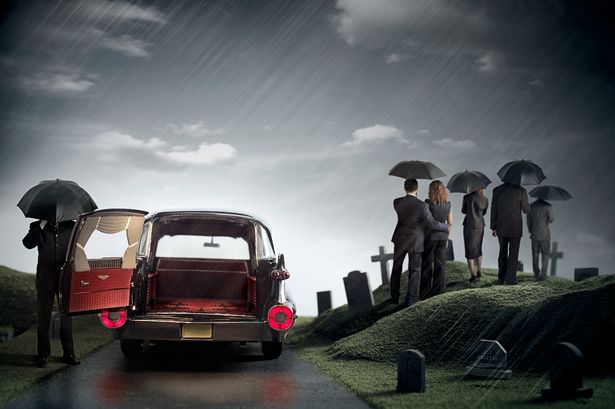
A Hartlepool-based funeral director has raised concerns about a troubling trend involving motorists’ behavior during funeral processions. Steven Bell Funerals reported an increasing number of drivers failing to show the customary respect for cortèges, often attempting to cut through the procession and nearly causing accidents. This trend has prompted the funeral home to speak out on social media, urging the public to reconsider their actions during these solemn occasions.
In a recent post on Facebook, the funeral director noted that many motorists now seem impatient, trying to squeeze between vehicles in the procession, including hearses and limousines carrying grieving family members. “It’s heartbreaking how true this has become,” they wrote. “Lately, we’ve been seeing more and more impatient drivers trying to squeeze into funeral cortèges.”
The post emphasized that this behavior not only shows a lack of respect for the deceased but also endangers others on the road. “Some of these moments have been so careless that they’ve almost caused accidents, all because someone is desperate to cut through or jump ahead,” the post stated.
Funeral processions are significant events, marking the final journey of a loved one. The funeral director appealed to motorists to take a moment to reflect on the situation, urging them to pause even if it delays them by just a minute or two. “A final journey should always be treated with care and respect,” they emphasized.
Responses to the post revealed a shared sense of respect for funeral processions among many members of the community. One commenter, Dee, recalled how respect was traditionally shown by standing by the roadside and bowing one’s head as a cortège passed. “When I was young, respect was given,” she said. Other commenters echoed similar sentiments, with Terry stating that he always stops and lets funeral cars out at junctions, even if it means facing honks from other drivers.
Yet, some individuals expressed differing views on the issue. Jamiel acknowledged the importance of respect for the deceased but pointed out that there is a balance to be struck. He argued that slow-moving funeral processions can disrupt traffic flow, particularly during peak hours, affecting those who may be rushing to work or school. “Respect should work both ways,” he commented, suggesting that holding processions outside of busy times could alleviate some of the tensions.
The conversation also highlighted a lesser-known detail about funeral processions: the vehicles typically have their lights on. James, another commenter, mentioned that this practice could help raise awareness and encourage respectful behavior from other road users. “If this was more widely known, I feel like more people would understand and behave appropriately,” he said.
As this discussion continues to unfold, the call for respect during funeral processions remains a poignant reminder of the need for empathy and understanding in moments of grief. Families navigating the loss of a loved one deserve the dignity associated with these final journeys, and the community’s response to this growing trend reflects a collective desire to uphold that respect.

Montenegrin Documentary “To Hold a Mountain” Premieres at Sundance

Causeway Coast Dog Rescue Raises Alarm Over ‘Disposable Dogs’

Clash Over Machynlleth Post Office Downgrade Sparks Outrage

Roche Unveils Promising Data for Giredestrant in Early Breast Cancer

Portsmouth’s Young Striker Shines on Loan While First Team Struggles

KLM Expands UK Operations with Up to 71 Daily Flights

Sarkozy Reflects on 20 Days in Prison in New Memoir

New Projects at Grangemouth Set to Create 460 Jobs

Spice Offers Alternative to Omeprazole for Heartburn Relief

Iconic 90s TV Show House Hits Market for £1.1 Million

Milk Bank Urges Mothers to Donate for Premature Babies’ Health

Alessia Russo Signs Long-Term Deal with Arsenal Ahead of WSL Season

Shoppers Flock to Discounted Neck Pillow on Amazon for Travel Comfort

Museums Body Critiques EHRC Proposals on Gender Facilities

Trump Visits Europe: Business, Politics, or Leisure?

Japanese Teen Sorato Shimizu Breaks U18 100m Record in 10 Seconds

Couple Shares Inspiring Love Story Defying Height Stereotypes

Anglian Water Raises Concerns Over Proposed AI Data Centre
-
 Entertainment3 months ago
Iconic 90s TV Show House Hits Market for £1.1 Million
-
 Lifestyle5 months ago
Milk Bank Urges Mothers to Donate for Premature Babies’ Health
-
 Sports3 months ago
Alessia Russo Signs Long-Term Deal with Arsenal Ahead of WSL Season
-
 Lifestyle4 months ago
Shoppers Flock to Discounted Neck Pillow on Amazon for Travel Comfort
-
 Politics5 months ago
Museums Body Critiques EHRC Proposals on Gender Facilities
-
 Business5 months ago
Trump Visits Europe: Business, Politics, or Leisure?
-
 Lifestyle5 months ago
Japanese Teen Sorato Shimizu Breaks U18 100m Record in 10 Seconds
-
 Politics4 months ago
Couple Shares Inspiring Love Story Defying Height Stereotypes
-
 World5 months ago
Anglian Water Raises Concerns Over Proposed AI Data Centre
-

 Sports4 months ago
Nathan Cleary’s Family Celebrates Engagement Amid Romance Rumors
-

 Sports5 months ago
Bournemouth Dominates Everton with 3-0 Victory in Premier League Summer Series
-

 World5 months ago
Wreckage of Missing Russian Passenger Plane Discovered in Flames