
Health
Mother’s Body Donation Plan Sparks Family Discussion on Death

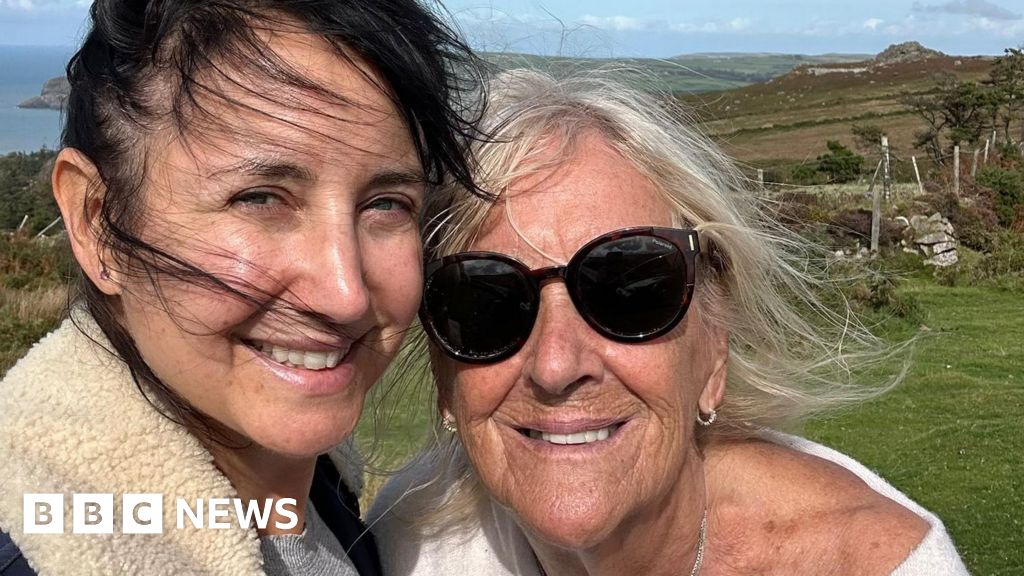
Conversations about death are often avoided, yet for 86-year-old Patsy Cohen, discussing her end-of-life wishes with her daughter was essential. After surviving a battle with bowel cancer, she revealed her desire to donate her body to medical science. This decision, which aligns with the annual donation of approximately 1,300 bodies in the UK for educational purposes, prompted a range of emotions in her daughter, who found herself grappling with admiration and confusion.
Patsy had already taken steps toward her decision, having contacted Cardiff University to arrange the donation. This proactive approach left her daughter with numerous questions about the implications of body donation, including how her mother’s body would be used and whether a traditional funeral would be possible. “I imagine a great big saw will come out and they’ll chop off a leg, but I don’t really mind,” Patsy stated matter-of-factly, showcasing her pragmatic attitude toward the situation.
The motivation behind Patsy’s choice stems from her gratitude towards medical professionals who helped her during her illness. “I wouldn’t be here if it wasn’t for them, so this is a simple way to give back,” she expressed. This perspective led her daughter to explore the intricacies of body donation further, culminating in the production of a documentary at the university where her mother’s body would ultimately go.
During the filming, they received rare behind-the-scenes access to Cardiff University’s anatomy center, where students learn from real human bodies rather than relying solely on textbooks. Dr. Hannah Shaw, who leads the anatomy education team, emphasized the importance of studying real anatomy, stating, “There really is no substitute for being able to see, touch and feel real anatomy.”
Despite advances in technology that allow for 3D representations of human bodies, Dr. Shaw argues that the tactile experience of working with real bodies provides unparalleled educational benefits. Medical student Freya Gillson echoed this sentiment, noting, “Working with donors is incredible. They are our very first patients, and you do develop a connection with them – they’re our silent teachers.”
When a donor passes away, their body is transported to the anatomy center as quickly as possible. There, it is preserved, and parts may be removed for further educational purposes, with donors being stored for up to three years. After this period, the university ensures that the bodies are placed in coffins for funeral directors to collect. Families can choose whether to cremate or bury their loved ones, with costs covered by the university.
This system can create challenges for grieving families, as shown by the experience of Joy Sesay’s family. Joy, who had a philosophy of helping others, left behind a large family who held memorial services while waiting for her cremation. Her daughter Jenny remarked on the unique challenges they faced, while granddaughter AJ expressed feeling “in limbo” without a traditional funeral.
Inquiry rates for body donation in the UK have declined in recent years, with Cardiff University reporting a 50% decrease in registrations since 2020. Nonetheless, 154 people signed up to donate their bodies in 2024. Universities encourage individuals considering donation to communicate their wishes to their families, emphasizing the importance of family understanding in the process.
The annual memorial event held by the university allows families and students to connect, albeit without disclosing specific identities. Freya reflected on the significance of this event, stating, “Seeing the pictures of our donors with their families, it made it all very real.”
For Joy Sesay’s family, the journey of understanding the impact of her donation continues. “You think it might be a one-off gift of your body and you close the book; that’s not the case,” her daughter Carol noted. “The good that her body will do, not just for future doctors, but for future patients… we just didn’t realize the enormity and importance of what she did.”
While the thought of saying goodbye to her mother is daunting, Patsy Cohen’s daughter finds comfort in knowing her mother’s wishes. “I feel when I’m not here, I’m not going to be wasted; it’s going to do some good and help make a better doctor,” Patsy stated, embodying her commitment to leaving a meaningful legacy.
The experience has also inspired her daughter to consider body donation for herself, furthering a family tradition that emphasizes the importance of contributing to the future of medical education. As Patsy continues to live life to the fullest, her daughter expresses gratitude for the profound conversations that have emerged from their discussions on death and legacy.

Marie Helvin Discusses Dating Challenges and Body Confidence at 73

Danny Morrison Reflects on United Ireland, Gerry Adams, and Stormont’s Future

Southampton University and Siemens Collaborate to Advance MEMS Technology

Barcelona’s Deco Highlights Rashford’s Burden at Manchester United

Rolls-Royce Shares Surge 77% in 2025: What’s Next for Investors?

Welsh Ambulance Service Targets Frequent 999 Callers for Support

Welsh Ambulance Service Targets Frequent 999 Callers for Better Care

Bremen’s Marble Imaging Secures €5.3M for Revolutionary Satellites

WNBA and Players Association Secure 40-Day Extension on CBA Talks

Iconic 90s TV Show House Hits Market for £1.1 Million

Milk Bank Urges Mothers to Donate for Premature Babies’ Health

Alessia Russo Signs Long-Term Deal with Arsenal Ahead of WSL Season

Shoppers Flock to Discounted Neck Pillow on Amazon for Travel Comfort

Museums Body Critiques EHRC Proposals on Gender Facilities

Trump Visits Europe: Business, Politics, or Leisure?

Japanese Teen Sorato Shimizu Breaks U18 100m Record in 10 Seconds

Couple Shares Inspiring Love Story Defying Height Stereotypes

Anglian Water Raises Concerns Over Proposed AI Data Centre
-
 Entertainment2 months ago
Iconic 90s TV Show House Hits Market for £1.1 Million
-
 Lifestyle4 months ago
Milk Bank Urges Mothers to Donate for Premature Babies’ Health
-
 Sports3 months ago
Alessia Russo Signs Long-Term Deal with Arsenal Ahead of WSL Season
-
 Lifestyle4 months ago
Shoppers Flock to Discounted Neck Pillow on Amazon for Travel Comfort
-
 Politics4 months ago
Museums Body Critiques EHRC Proposals on Gender Facilities
-
 Business4 months ago
Trump Visits Europe: Business, Politics, or Leisure?
-
 Lifestyle4 months ago
Japanese Teen Sorato Shimizu Breaks U18 100m Record in 10 Seconds
-
 Politics4 months ago
Couple Shares Inspiring Love Story Defying Height Stereotypes
-
 World4 months ago
Anglian Water Raises Concerns Over Proposed AI Data Centre
-

 Sports4 months ago
Bournemouth Dominates Everton with 3-0 Victory in Premier League Summer Series
-

 World4 months ago
Wreckage of Missing Russian Passenger Plane Discovered in Flames
-

 Lifestyle4 months ago
Shoppers Rave About Roman’s £42 Midi Dress, Calling It ‘Elegant’