
Science
Can Aluminum Foil Effectively Block RFID Signals? The Science Explained

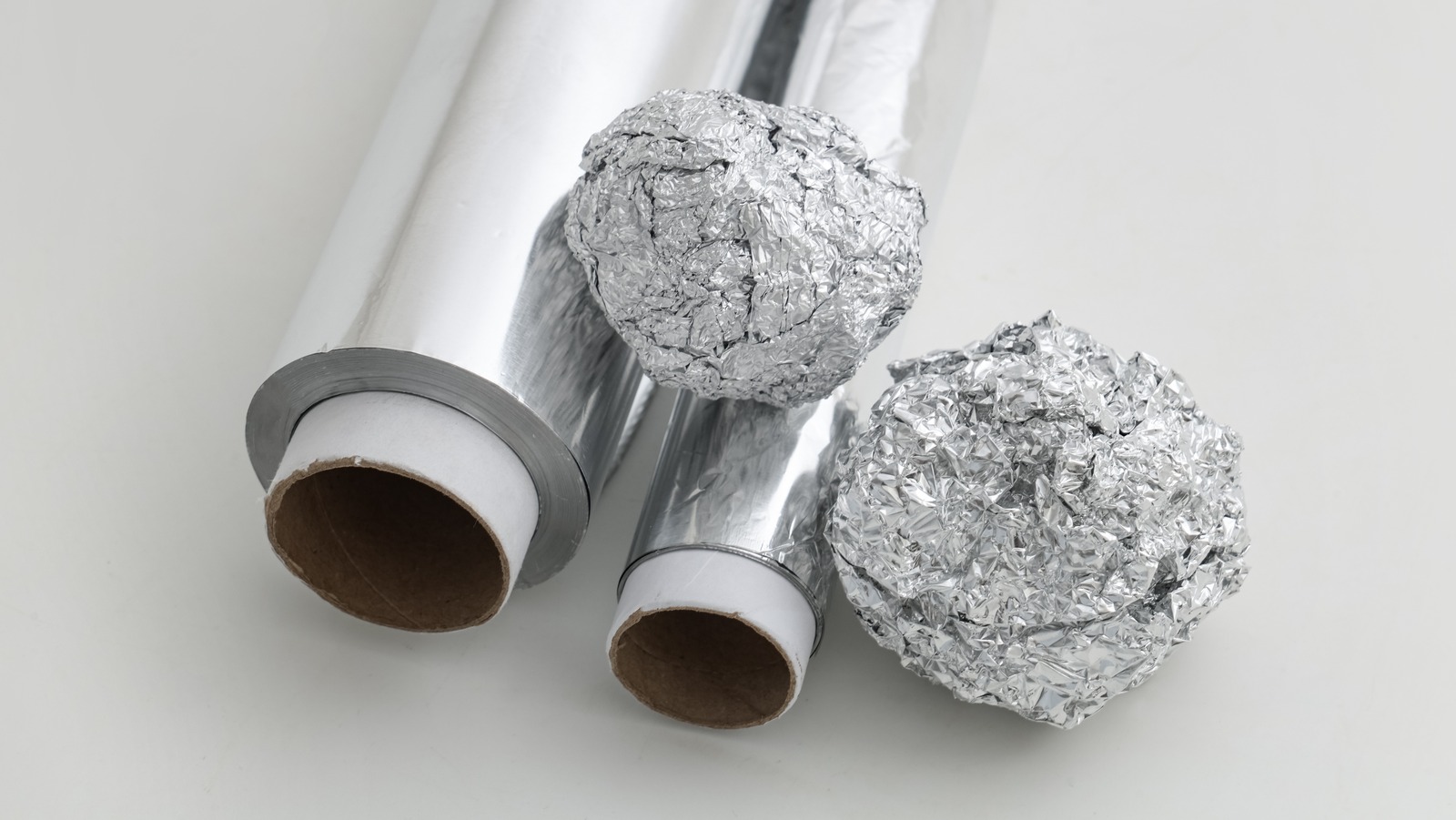
The effectiveness of aluminum foil in blocking RFID (Radio Frequency Identification) signals has become a topic of interest among consumers concerned about privacy and security. While popular culture has long suggested that wrapping car keys in aluminum foil can prevent theft, the scientific basis behind this practice is more nuanced than it appears.
Understanding RFID Technology and Aluminum Foil
The concept of using aluminum foil as a protective barrier dates back to Julian Huxley’s 1927 short story, “The Tissue-Culture King,” where a character uses a foil cap to shield against telepathy. This idea has evolved over the decades, leading some individuals to believe that aluminum foil can block invisible RFID signals, particularly those used in key fobs and credit cards.
Under certain conditions, aluminum foil can indeed act as a shield against RFID signals. This phenomenon is rooted in the principles of a Faraday cage, which is defined by the Department of Homeland Security as a “metal mesh or foil container that is impenetrable by radio signals of certain frequencies.” Such cages can effectively shield RFID tags from detection.
Despite this theoretical foundation, the practical effectiveness of aluminum foil remains limited. A study conducted by the University of Arkansas’ RFID Research Center examined the performance of RFID systems in retail theft prevention. It found that even items placed inside aluminum-lined bags were detected approximately 77% of the time. This suggests that while aluminum foil may provide some level of protection, it is not wholly reliable.
Factors Influencing Effectiveness
Several factors influence the ability of aluminum foil to block RFID signals. According to RFID Card, a provider of RFID and NFC solutions, the thickness of the foil, environmental conditions, and the method of wrapping all play crucial roles. For example, a tightly wrapped layer of foil may be more effective than a loosely draped one.
The limitations of aluminum foil have prompted experts to recommend more reliable alternatives for protecting against RFID skimming. Investing in an RFID-blocking wallet or sleeve is a more effective strategy than relying on makeshift solutions like foil. These specialized products are designed to provide comprehensive shielding against unauthorized scanning.
In summary, while the idea of using aluminum foil to block RFID signals has become ingrained in popular culture, the scientific evidence suggests that its effectiveness is limited. For those serious about safeguarding their personal information, investing in professional RFID protection is the most prudent course of action.

Cattle Showcases Thrive at RUAS Winter Fair 2023

UK and US Strike Zero Tariff Agreement on Pharmaceuticals

Maya Jama Stuns in Strapless Ensemble at Qatar Grand Prix

Russia and Saudi Arabia Launch Visa-Free Travel Agreement

ISOLDE Facility Marks 10 Years of Advancements in Nuclear Research

Voters Demand Resignation of Chancellor Rachel Reeves Over Tax Hikes

Shoppers Save 30% on Marks & Spencer’s Viral Velvet Dress

Health Campaigners Urge End to Smoking Exemption for Lounges

Charity Shop Surprise: Woman Finds Joggers Worth £2,000 for £8

Iconic 90s TV Show House Hits Market for £1.1 Million

Milk Bank Urges Mothers to Donate for Premature Babies’ Health

Alessia Russo Signs Long-Term Deal with Arsenal Ahead of WSL Season

Shoppers Flock to Discounted Neck Pillow on Amazon for Travel Comfort

Museums Body Critiques EHRC Proposals on Gender Facilities

Trump Visits Europe: Business, Politics, or Leisure?

Japanese Teen Sorato Shimizu Breaks U18 100m Record in 10 Seconds

Couple Shares Inspiring Love Story Defying Height Stereotypes

Anglian Water Raises Concerns Over Proposed AI Data Centre
-
 Entertainment2 months ago
Iconic 90s TV Show House Hits Market for £1.1 Million
-
 Lifestyle4 months ago
Milk Bank Urges Mothers to Donate for Premature Babies’ Health
-
 Sports3 months ago
Alessia Russo Signs Long-Term Deal with Arsenal Ahead of WSL Season
-
 Lifestyle4 months ago
Shoppers Flock to Discounted Neck Pillow on Amazon for Travel Comfort
-
 Politics4 months ago
Museums Body Critiques EHRC Proposals on Gender Facilities
-
 Business4 months ago
Trump Visits Europe: Business, Politics, or Leisure?
-
 Lifestyle4 months ago
Japanese Teen Sorato Shimizu Breaks U18 100m Record in 10 Seconds
-
 Politics4 months ago
Couple Shares Inspiring Love Story Defying Height Stereotypes
-
 World4 months ago
Anglian Water Raises Concerns Over Proposed AI Data Centre
-

 Sports4 months ago
Bournemouth Dominates Everton with 3-0 Victory in Premier League Summer Series
-

 World4 months ago
Wreckage of Missing Russian Passenger Plane Discovered in Flames
-

 Lifestyle4 months ago
Shoppers Rave About Roman’s £42 Midi Dress, Calling It ‘Elegant’