
Politics
Swinney Pushes for New Scottish Independence Referendum

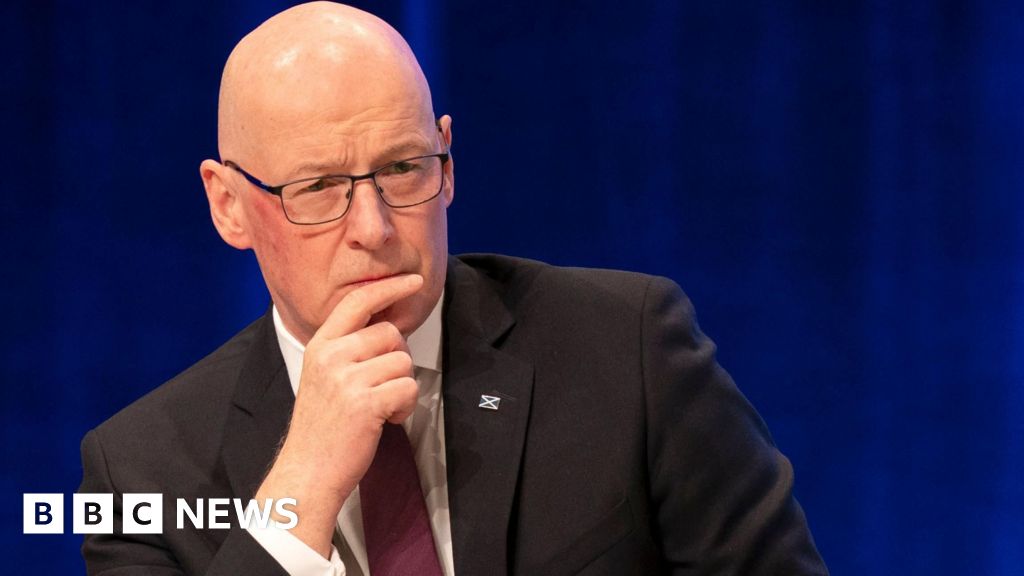
John Swinney has announced that the Scottish National Party (SNP) intends to push for a new independence referendum if they secure a majority in the upcoming Holyrood election. Speaking at the party’s conference in Aberdeen, Swinney highlighted the precedent established before the 2014 referendum, suggesting that a similar electoral outcome could justify a renewed vote on Scotland’s future.
Swinney’s comments come as the SNP seeks to make the next election a de facto referendum on independence. The party achieved a significant victory in 2011, winning more than half of the Member of the Scottish Parliament (MSP) seats. This historic win facilitated the first independence referendum in 2014, where Scotland voted against leaving the UK by a margin of 55.3% to 44.7%.
At the conference, Swinney stated, “Precedent is on my side. This is what happened in 2011. And precedent is a substantial factor in legal consideration of the right of the people of Scotland to decide their own future.” He emphasized that the SNP’s previous success positioned the party strongly for negotiating a mandate for a new vote if they achieve a majority in the next election scheduled for 2026.
Despite Swinney’s assertions, the Labour government, led by Keir Starmer, remains opposed to a second referendum. Scottish Secretary Douglas Alexander criticized Swinney’s strategy, claiming it diverts attention from the SNP’s performance in public services. Alexander stated, “This is all about marching his troops in that hall up to the top of the hill and then back down again. We have heard all of this before.”
Alexander, who took over as Scottish Secretary last month, indicated that the Labour Party’s mandate was clear: they do not support independence or another referendum. He expressed confidence in his party’s prospects for the upcoming Holyrood election, stating, “I am working for victory and not anticipating defeat.”
Swinney’s remarks also addressed concerns about living standards in Scotland. He argued that the election should focus on independence, stating, “Under the United Kingdom, people’s standard of living has been flat as a pancake for 15 years.” He pointed to improvements in healthcare and housing as evidence of the benefits of self-governance.
The discussion surrounding a potential second referendum hinges significantly on political dynamics and public sentiment in Scotland. Given that the SNP has not secured an outright majority in the two most recent Holyrood elections, the party’s path to a new independence vote remains uncertain. Any new referendum would require approval from the UK government, as seen in the Edinburgh Agreement signed by the then-Prime Minister David Cameron and former SNP leader Alex Salmond in 2012.
As Scotland approaches the next election, the debate over independence continues to shape the political landscape. Swinney’s call for a renewed referendum reflects ongoing aspirations within the SNP to revisit Scotland’s constitutional status, even as opposition parties remain steadfast in their rejection of such a proposal. The coming months will be crucial in determining the viability of the SNP’s plans and the broader implications for Scotland’s future.

Voters Demand Resignation of Chancellor Rachel Reeves Over Tax Hikes

Shoppers Save 30% on Marks & Spencer’s Viral Velvet Dress

Health Campaigners Urge End to Smoking Exemption for Lounges

Charity Shop Surprise: Woman Finds Joggers Worth £2,000 for £8

Comet 3I/ATLAS Reveals Rare Metal Composition and Cryovolcanism

LaLiga Thrills: Key Highlights from Recent Fixtures Unveiled

Germany Intensifies Deportations of Afghan and Syrian Migrants

Shoppers Embrace Next’s £36 Knit as Trendy Christmas Alternative

Harbour Energy Announces 100 Job Cuts Amid Industry Challenges

Iconic 90s TV Show House Hits Market for £1.1 Million

Milk Bank Urges Mothers to Donate for Premature Babies’ Health

Alessia Russo Signs Long-Term Deal with Arsenal Ahead of WSL Season

Shoppers Flock to Discounted Neck Pillow on Amazon for Travel Comfort

Museums Body Critiques EHRC Proposals on Gender Facilities

Trump Visits Europe: Business, Politics, or Leisure?

Japanese Teen Sorato Shimizu Breaks U18 100m Record in 10 Seconds

Couple Shares Inspiring Love Story Defying Height Stereotypes

Anglian Water Raises Concerns Over Proposed AI Data Centre
-
 Entertainment2 months ago
Iconic 90s TV Show House Hits Market for £1.1 Million
-
 Lifestyle4 months ago
Milk Bank Urges Mothers to Donate for Premature Babies’ Health
-
 Sports3 months ago
Alessia Russo Signs Long-Term Deal with Arsenal Ahead of WSL Season
-
 Lifestyle4 months ago
Shoppers Flock to Discounted Neck Pillow on Amazon for Travel Comfort
-
 Politics4 months ago
Museums Body Critiques EHRC Proposals on Gender Facilities
-
 Business4 months ago
Trump Visits Europe: Business, Politics, or Leisure?
-
 Lifestyle4 months ago
Japanese Teen Sorato Shimizu Breaks U18 100m Record in 10 Seconds
-
 Politics4 months ago
Couple Shares Inspiring Love Story Defying Height Stereotypes
-
 World4 months ago
Anglian Water Raises Concerns Over Proposed AI Data Centre
-

 Sports4 months ago
Bournemouth Dominates Everton with 3-0 Victory in Premier League Summer Series
-

 World4 months ago
Wreckage of Missing Russian Passenger Plane Discovered in Flames
-

 Lifestyle4 months ago
Shoppers Rave About Roman’s £42 Midi Dress, Calling It ‘Elegant’