
Science
Quantum Computing Advances: The Marketplace and Future Prospects

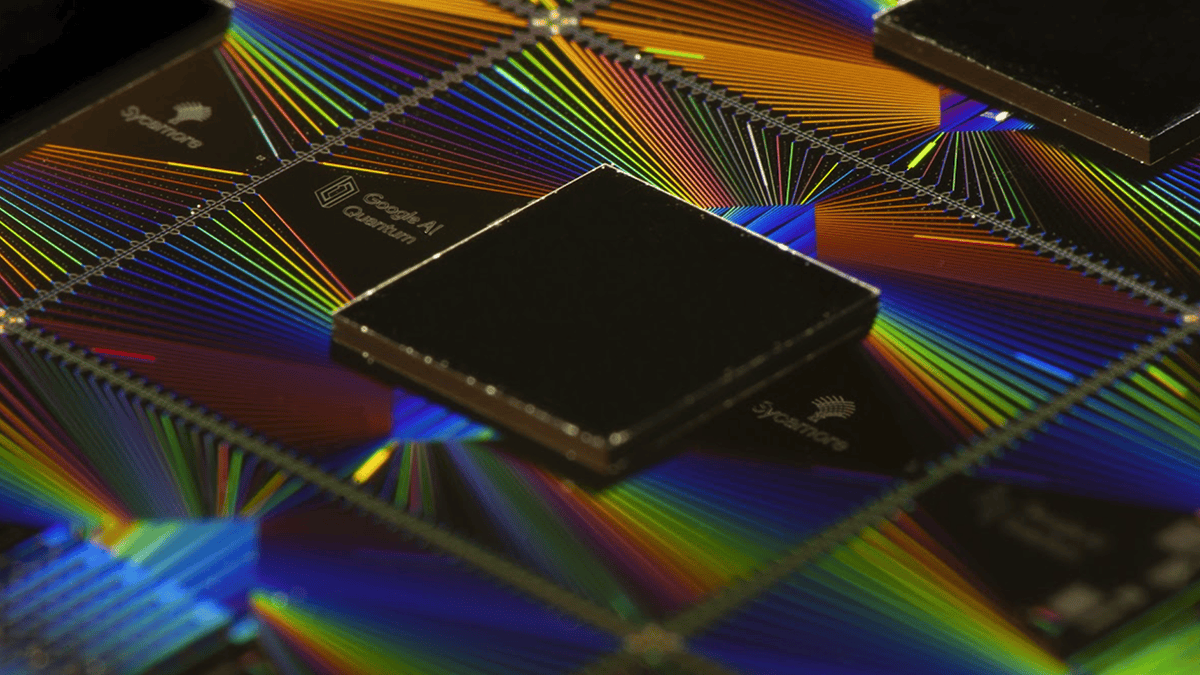
The quantum computing landscape is rapidly evolving, with significant advancements being made by various companies and research institutions. During a recent event at the Royal Society in London, experts gathered to discuss the current state of quantum information as part of the launch for the International Year of Quantum Science and Technology (IYQ) 2025. This two-day conference showcased the commercial viability of quantum machines, marking a pivotal moment for the industry.
David Deutsch, often referred to as the father of quantum computing, expressed skepticism about the timeline for meaningful advancements in the field back in 2004. Yet, the developments highlighted at the conference suggest that quantum computing is on the verge of becoming a viable commercial technology. There is a growing consensus among researchers that the industry is approaching a moment of “practical quantum advantage,” where quantum computers can solve problems beyond the capabilities of classical computers.
The Current Quantum Marketplace
The quantum computing market is experiencing a surge in activity, with numerous technology firms actively developing devices for commercial use. Established companies like IBM and Google are joined by newer entrants such as D-Wave, Rigetti, and international firms like Nord Quantique from Canada and IQM from Finland. Collectively, these companies are contributing to what is being described as a second quantum revolution, characterized by rapid advancements in quantum technologies including quantum sensing and quantum communications.
According to the State of Quantum 2024 report, government initiatives aimed at advancing quantum technologies have been established in 33 countries, with more than 20 countries implementing national strategies backed by substantial funding. As of this year, global investments in quantum technology have surpassed $55.7 billion, and the market is projected to reach $106 billion by 2040.
Research firm QURECA has compiled data highlighting key government programs and funding commitments across various nations, excluding private investments. This emerging ecosystem also includes a developing supply chain comprising hardware manufacturers, software developers, and end users ranging from financial institutions like J.P. Morgan to pharmaceutical companies such as AstraZeneca.
Challenges and Future Directions
Despite the burgeoning interest and investment in quantum computing, challenges remain. The current era is often referred to as the “noisy intermediate-scale quantum” (NISQ) era, where devices are limited by error-prone qubits that cannot yet perform reliably useful computations. Winfried Hensinger, a physicist at the University of Sussex, cautioned that while significant breakthroughs are occurring, expectations for immediate practical applications need to be tempered.
Many experts agree that the industry is not yet ready to deliver “truly useful” quantum computers, with some, including the CEO of Nvidia, suggesting that such advancements may still be two decades away. This volatility in expectations has led to fluctuations in the stock prices of quantum-computing companies, highlighting the need for a balanced narrative around the state of the technology.
Looking ahead, companies like IBM are setting ambitious goals. They aim to develop a fault-tolerant quantum system capable of running 100 million gates on 200 logical qubits by 2029. Ashley Montanaro, a physicist at the University of Bristol, emphasized that the transition to practical quantum advantage is not a question of if, but when.
The diversity in quantum computing platforms makes it challenging to identify a singular path forward. Current technologies employ various systems for qubits, including superconducting materials and trapped ions. New contenders have emerged, such as neutral atoms and photonic quantum computing, each offering unique advantages and possibilities for future developments.
As the quantum industry continues to grow, experts are focused on establishing metrics for assessing the performance of different quantum technologies. The National Quantum Computing Centre (NQCC) evaluates devices based on the number of coherent quantum operations they can perform. This quantifiable measure will be essential for moving beyond the NISQ era and into a future where quantum computing can address commercially relevant problems.
The path to achieving robust quantum computers involves overcoming significant technical challenges, including developing effective error correction methods. As the industry progresses, stakeholders are optimistic that the groundwork being laid today will eventually lead to transformative applications in various sectors.
As the IYQ 2025 unfolds, it promises to raise global awareness about quantum physics and its potential applications, with further insights expected from ongoing research and development efforts. The future of quantum computing is poised for exciting developments, and the coming years will be critical in determining how this transformative technology will be integrated into everyday applications.

Voters Demand Resignation of Chancellor Rachel Reeves Over Tax Hikes

Shoppers Save 30% on Marks & Spencer’s Viral Velvet Dress

Health Campaigners Urge End to Smoking Exemption for Lounges

Charity Shop Surprise: Woman Finds Joggers Worth £2,000 for £8

Comet 3I/ATLAS Reveals Rare Metal Composition and Cryovolcanism

LaLiga Thrills: Key Highlights from Recent Fixtures Unveiled

Germany Intensifies Deportations of Afghan and Syrian Migrants

Shoppers Embrace Next’s £36 Knit as Trendy Christmas Alternative

Harbour Energy Announces 100 Job Cuts Amid Industry Challenges

Iconic 90s TV Show House Hits Market for £1.1 Million

Milk Bank Urges Mothers to Donate for Premature Babies’ Health

Alessia Russo Signs Long-Term Deal with Arsenal Ahead of WSL Season

Shoppers Flock to Discounted Neck Pillow on Amazon for Travel Comfort

Museums Body Critiques EHRC Proposals on Gender Facilities

Trump Visits Europe: Business, Politics, or Leisure?

Japanese Teen Sorato Shimizu Breaks U18 100m Record in 10 Seconds

Couple Shares Inspiring Love Story Defying Height Stereotypes

Anglian Water Raises Concerns Over Proposed AI Data Centre
-
 Entertainment2 months ago
Iconic 90s TV Show House Hits Market for £1.1 Million
-
 Lifestyle4 months ago
Milk Bank Urges Mothers to Donate for Premature Babies’ Health
-
 Sports3 months ago
Alessia Russo Signs Long-Term Deal with Arsenal Ahead of WSL Season
-
 Lifestyle4 months ago
Shoppers Flock to Discounted Neck Pillow on Amazon for Travel Comfort
-
 Politics4 months ago
Museums Body Critiques EHRC Proposals on Gender Facilities
-
 Business4 months ago
Trump Visits Europe: Business, Politics, or Leisure?
-
 Lifestyle4 months ago
Japanese Teen Sorato Shimizu Breaks U18 100m Record in 10 Seconds
-
 Politics4 months ago
Couple Shares Inspiring Love Story Defying Height Stereotypes
-
 World4 months ago
Anglian Water Raises Concerns Over Proposed AI Data Centre
-

 Sports4 months ago
Bournemouth Dominates Everton with 3-0 Victory in Premier League Summer Series
-

 World4 months ago
Wreckage of Missing Russian Passenger Plane Discovered in Flames
-

 Lifestyle4 months ago
Shoppers Rave About Roman’s £42 Midi Dress, Calling It ‘Elegant’