
Health
UK Health Agency Urges Pregnant Women to Get Key Vaccinations

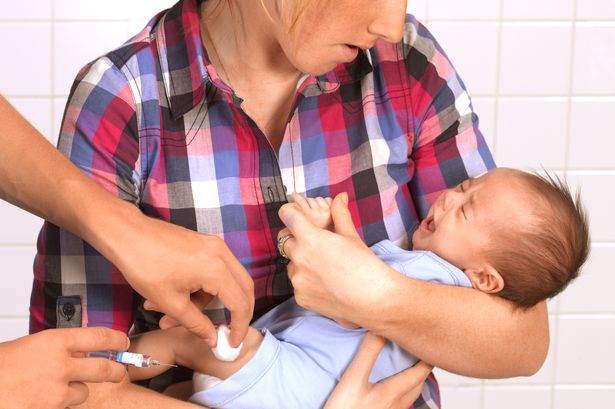
Pregnant women in the United Kingdom are being urged to take proactive health steps to protect themselves and their babies. The UK Health Security Agency (UKHSA), in collaboration with the NHS, has outlined five crucial vaccinations that expectant mothers should consider before giving birth. This initiative aims to prevent severe infections that can pose significant risks to both mothers and infants.
Key Vaccinations for Expectant Mothers
The UKHSA emphasizes the importance of flu, respiratory syncytial virus (RSV), and whooping cough vaccinations during pregnancy. According to the agency, “If you’re pregnant, you’re eligible for flu, RSV and whooping cough vaccines.” Pregnant individuals are encouraged to consult their midwife, general practitioner, or pharmacist regarding these vaccinations, which are vital for safeguarding health.
The flu vaccine is particularly critical. During pregnancy, a woman’s immune system is naturally suppressed, which can increase the risk of severe flu complications, such as pneumonia. The NHS notes that pregnant women are more likely to require hospitalization due to flu-related complications compared to those who are not pregnant. Receiving the flu vaccine significantly reduces the likelihood of contracting the virus and minimizes the severity of the illness if it occurs.
The whooping cough vaccine is also essential. Infants are at a heightened risk of serious illness from whooping cough, often requiring hospital care. The NHS explains that by getting vaccinated during pregnancy, mothers can produce protective antibodies that are transferred to their babies, providing immunity until they are old enough to receive their own vaccine at eight weeks of age. The recommended timeframe for receiving this vaccine is between 16 and 32 weeks of pregnancy, with the optimal target being around 20 weeks.
Importance of the RSV Vaccine
The RSV vaccine is another critical component of prenatal care. This common virus can lead to severe respiratory issues in infants, including bronchiolitis and pneumonia, which may necessitate hospitalization. The NHS advises that the RSV vaccine is typically offered during the 28-week antenatal appointment and can be administered until labor begins. Expectant mothers who have not yet received this vaccine should reach out to their midwife or GP if they are 28 weeks pregnant or more.
While certain vaccines are highly recommended, the NHS warns that live vaccines, such as the measles, mumps, and rubella (MMR) vaccine, should generally be avoided during pregnancy due to the slight risk they pose to the unborn child. There is no evidence suggesting that these live vaccines cause birth defects; however, healthcare providers typically recommend postponing them until after delivery.
Additionally, the NHS advises pregnant women to consider their travel plans carefully. If travel to areas requiring vaccinations is unavoidable, it is crucial for them to consult with a midwife or GP to understand the risks and benefits associated with any necessary vaccinations.
With these guidelines, the UKHSA and NHS are taking significant steps to protect the health of both mothers and their babies. Expectant mothers are encouraged to take action and ensure they are fully vaccinated to mitigate health risks during pregnancy.

Moyes Faces Referee Controversy Ahead of Everton vs Chelsea Clash

Man Hospitalised After Assault Outside Shop in Sandwell

Fred MacAulay and Ally McCoist Reunite for Special World Cup Show

NoOnes Targets $1 Trillion Gift Card Market to Enhance Crypto Access

Beloved Actor Matt Clark Passes Away at 89, Fans Mourn Loss

Discover How Milk Thistle Supplements Enhance Liver Health

Irish Community Care Celebrates 60 Years of Support in Liverpool

New Affordable Housing Development Planned for Crawley Site

Millions of Parking Tickets Issued Amid Calls for Reform

Claire Tomlinson Bids Farewell to Sky Sports After 27 Years

Iconic 90s TV Show House Hits Market for £1.1 Million

Nathan Cleary’s Family Celebrates Engagement Amid Romance Rumors

Tributes Flow for Kerry Gentle, Beloved RNLI Volunteer and Artist

Milk Bank Urges Mothers to Donate for Premature Babies’ Health

Shoppers Flock to Discounted Neck Pillow on Amazon for Travel Comfort

Alessia Russo Signs Long-Term Deal with Arsenal Ahead of WSL Season

Nuneaton Town FC Advances Plans for New Stadium in Stockingford

Exploring England’s Cathedrals: A Journey Through History and Architecture
-
 Lifestyle8 months ago
Claire Tomlinson Bids Farewell to Sky Sports After 27 Years
-
 Entertainment11 months ago
Iconic 90s TV Show House Hits Market for £1.1 Million
-
 Sports1 year ago
Nathan Cleary’s Family Celebrates Engagement Amid Romance Rumors
-
 Lifestyle8 months ago
Tributes Flow for Kerry Gentle, Beloved RNLI Volunteer and Artist
-
 Lifestyle1 year ago
Milk Bank Urges Mothers to Donate for Premature Babies’ Health
-
 Lifestyle1 year ago
Shoppers Flock to Discounted Neck Pillow on Amazon for Travel Comfort
-
 Sports12 months ago
Alessia Russo Signs Long-Term Deal with Arsenal Ahead of WSL Season
-
 Sports9 months ago
Nuneaton Town FC Advances Plans for New Stadium in Stockingford
-
 Lifestyle1 year ago
Exploring England’s Cathedrals: A Journey Through History and Architecture
-

 Politics1 year ago
Museums Body Critiques EHRC Proposals on Gender Facilities
-

 Business1 year ago
Trump Visits Europe: Business, Politics, or Leisure?
-

 Lifestyle1 year ago
Japanese Teen Sorato Shimizu Breaks U18 100m Record in 10 Seconds