
Top Stories
Highway Code Change Gives Pedestrians Priority at Junctions

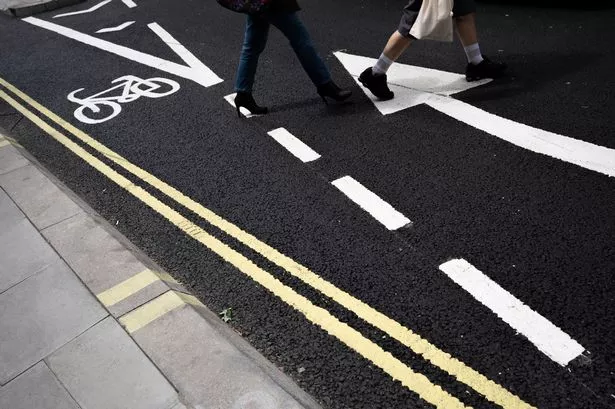
A significant update to the Highway Code has established that pedestrians hold priority when crossing at junctions, a change that many drivers remain unaware of. This adjustment aims to enhance pedestrian safety on the roads, especially in areas where no designated crossings exist.
Many motorists may not realize that, according to the current Highway Code, pedestrians waiting to cross at junctions should be given the right of way. While it is common practice for drivers to stop for pedestrians at zebra crossings, the expectation of yielding at junctions is less understood, often leading to confusion and frustration on both sides.
Understanding the New Rules
The Highway Code explicitly states that drivers must give way to pedestrians who are crossing or waiting to cross a road into which they are turning. This principle is part of the established hierarchy of road users, which prioritizes pedestrians above all other types of road traffic.
For instance, the Code specifies: “You must give way to pedestrians on a zebra crossing, and to pedestrians and cyclists on a parallel crossing.” Furthermore, it emphasizes that pedestrians should be allowed to cross safely at junctions where they are waiting, even without a marked crossing.
Despite the clear regulations, many drivers continue to overlook these rules, often assuming that pedestrians must always yield to vehicles. This misunderstanding can lead to dangerous situations, particularly as pedestrians may hesitate to cross in what they believe to be unsafe conditions.
Implications for Road Safety
The update to the Highway Code aims to foster a safer environment for pedestrians, encouraging them to feel more confident when navigating streets. While it is crucial for pedestrians to exercise caution and use common sense, the regulations indicate that they have the right to expect compliance from drivers.
The change has sparked discussions about road safety and the responsibilities of both pedestrians and motorists. As awareness of these rules grows, it may help reduce instances of conflict on the roads.
Additionally, local authorities are beginning to implement measures to reinforce these regulations. For example, new traffic cameras at junctions have been introduced in various regions to monitor compliance with pedestrian right-of-way laws.
As the rules are not widely known, ongoing public education efforts will be essential in ensuring that both pedestrians and drivers understand their rights and responsibilities. The hope is that greater awareness will lead to improved safety for all road users.
In conclusion, the alteration to the Highway Code marks an important step towards prioritizing pedestrian safety. As more individuals become informed about these changes, the aim is to create a more harmonious relationship between pedestrians and motorists, ultimately enhancing the overall safety of the road environment.

Cattle Showcases Thrive at RUAS Winter Fair 2023

UK and US Strike Zero Tariff Agreement on Pharmaceuticals

Maya Jama Stuns in Strapless Ensemble at Qatar Grand Prix

Russia and Saudi Arabia Launch Visa-Free Travel Agreement

ISOLDE Facility Marks 10 Years of Advancements in Nuclear Research

Voters Demand Resignation of Chancellor Rachel Reeves Over Tax Hikes

Shoppers Save 30% on Marks & Spencer’s Viral Velvet Dress

Health Campaigners Urge End to Smoking Exemption for Lounges

Charity Shop Surprise: Woman Finds Joggers Worth £2,000 for £8

Iconic 90s TV Show House Hits Market for £1.1 Million

Milk Bank Urges Mothers to Donate for Premature Babies’ Health

Alessia Russo Signs Long-Term Deal with Arsenal Ahead of WSL Season

Shoppers Flock to Discounted Neck Pillow on Amazon for Travel Comfort

Museums Body Critiques EHRC Proposals on Gender Facilities

Trump Visits Europe: Business, Politics, or Leisure?

Japanese Teen Sorato Shimizu Breaks U18 100m Record in 10 Seconds

Couple Shares Inspiring Love Story Defying Height Stereotypes

Anglian Water Raises Concerns Over Proposed AI Data Centre
-
 Entertainment2 months ago
Iconic 90s TV Show House Hits Market for £1.1 Million
-
 Lifestyle4 months ago
Milk Bank Urges Mothers to Donate for Premature Babies’ Health
-
 Sports3 months ago
Alessia Russo Signs Long-Term Deal with Arsenal Ahead of WSL Season
-
 Lifestyle4 months ago
Shoppers Flock to Discounted Neck Pillow on Amazon for Travel Comfort
-
 Politics4 months ago
Museums Body Critiques EHRC Proposals on Gender Facilities
-
 Business4 months ago
Trump Visits Europe: Business, Politics, or Leisure?
-
 Lifestyle4 months ago
Japanese Teen Sorato Shimizu Breaks U18 100m Record in 10 Seconds
-
 Politics4 months ago
Couple Shares Inspiring Love Story Defying Height Stereotypes
-
 World4 months ago
Anglian Water Raises Concerns Over Proposed AI Data Centre
-

 Sports4 months ago
Bournemouth Dominates Everton with 3-0 Victory in Premier League Summer Series
-

 World4 months ago
Wreckage of Missing Russian Passenger Plane Discovered in Flames
-

 Lifestyle4 months ago
Shoppers Rave About Roman’s £42 Midi Dress, Calling It ‘Elegant’