
Science
Cambridge Researchers Revitalize Forgotten Sanskrit Scholars of Colonial India

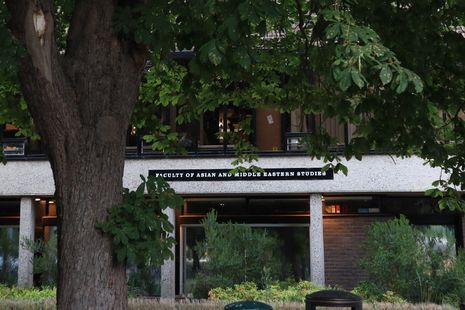
A research initiative led by Cambridge University aims to uncover the lives and contributions of Sanskrit scholars from colonial India, challenging long-held assumptions about the decline of Sanskrit scholarship during British expansion. This project, funded by the Arts and Humanities Research Council (AHRC), seeks to document how these scholars, often referred to as “pundits,” preserved India’s classical literary tradition in rural settlements.
Historically, it has been believed that the rise of British power in the seventeenth century hindered the growth of Sanskrit learning. However, the researchers involved in this five-year project assert that the two centuries preceding the British Raj were a period of vibrant intellectual activity. Hundreds of scholars thrived in Brahmin settlements known as agrahāra and monasteries, or maṭha, throughout the countryside of Tamil Nadu.
Exploring the Kaveri Delta Region
The project will conduct an extensive survey of the Kaveri Delta region, which was once a significant hub for Sanskrit studies. Dr. Jonathan Duquette, the lead investigator from Cambridge’s Faculty of Asian and Middle Eastern Studies, emphasized the importance of this research, stating, “There were literary geniuses among these men, historically significant figures, but many people in India don’t know them.”
The research team intends to study texts that have never been translated or published and may even uncover works previously unknown to both Western and Indian scholarship. Settlements in this area flourished under the Maratha Bhonsle dynasty from 1650 to 1800, when Brahmin scholars were granted land in perpetuity, exempt from taxes, which provided them with the security to pursue intellectual and artistic endeavors.
These scholars often expressed their gratitude through poetry and plays, celebrating their patrons. One notable example is Shahaji Bhonsle, a seventeenth-century ruler who was both a patron and a poet, depicted in Sanskrit works as a generous benefactor and an accomplished lover.
Mapping Intellectual Heritage
Dr. Duquette and his team plan to identify at least twenty settlements of significant intellectual importance, tracing connections between scholars, temples, monasteries, and royal courts. Their approach combines archival research with field visits to map the historical structures of these villages and engage with the descendants of the scholars.
“These settlements have been in decline since the early twentieth century,” Dr. Duquette noted. “Many Brahmins have moved away, and buildings have been sold, but some descendants remain. We want to understand their legacy and make it better known.”
The project, titled “Beyond the Court,” aims to demonstrate that Sanskrit culture extended beyond royal courts and cosmopolitan centers, showcasing a vibrant intellectual life in rural areas and its interactions with Tamil scholarship. This initiative comes at a time when Cambridge’s Faculty of Asian and Middle Eastern Studies seeks additional funding to enhance research in Sanskrit and pre-modern Indo-Persian studies.
The findings from this project could reshape the understanding of Sanskrit scholarship in colonial India, illuminating a rich intellectual heritage that has largely been overlooked. As the research progresses, it promises to bring to light the contributions of these forgotten scholars and their enduring impact on India’s cultural landscape.

Moyes Faces Referee Controversy Ahead of Everton vs Chelsea Clash

Man Hospitalised After Assault Outside Shop in Sandwell

Fred MacAulay and Ally McCoist Reunite for Special World Cup Show

NoOnes Targets $1 Trillion Gift Card Market to Enhance Crypto Access

Beloved Actor Matt Clark Passes Away at 89, Fans Mourn Loss

Discover How Milk Thistle Supplements Enhance Liver Health

Irish Community Care Celebrates 60 Years of Support in Liverpool

New Affordable Housing Development Planned for Crawley Site

Millions of Parking Tickets Issued Amid Calls for Reform

Claire Tomlinson Bids Farewell to Sky Sports After 27 Years

Iconic 90s TV Show House Hits Market for £1.1 Million

Tributes Flow for Kerry Gentle, Beloved RNLI Volunteer and Artist

Nathan Cleary’s Family Celebrates Engagement Amid Romance Rumors

Milk Bank Urges Mothers to Donate for Premature Babies’ Health

Shoppers Flock to Discounted Neck Pillow on Amazon for Travel Comfort

Alessia Russo Signs Long-Term Deal with Arsenal Ahead of WSL Season

Nuneaton Town FC Advances Plans for New Stadium in Stockingford

Museums Body Critiques EHRC Proposals on Gender Facilities
-
 Lifestyle7 months ago
Claire Tomlinson Bids Farewell to Sky Sports After 27 Years
-
 Entertainment10 months ago
Iconic 90s TV Show House Hits Market for £1.1 Million
-
 Lifestyle7 months ago
Tributes Flow for Kerry Gentle, Beloved RNLI Volunteer and Artist
-
 Sports1 year ago
Nathan Cleary’s Family Celebrates Engagement Amid Romance Rumors
-
 Lifestyle1 year ago
Milk Bank Urges Mothers to Donate for Premature Babies’ Health
-
 Lifestyle1 year ago
Shoppers Flock to Discounted Neck Pillow on Amazon for Travel Comfort
-
 Sports11 months ago
Alessia Russo Signs Long-Term Deal with Arsenal Ahead of WSL Season
-
 Sports9 months ago
Nuneaton Town FC Advances Plans for New Stadium in Stockingford
-
 Politics1 year ago
Museums Body Critiques EHRC Proposals on Gender Facilities
-

 Lifestyle1 year ago
Exploring England’s Cathedrals: A Journey Through History and Architecture
-

 Business1 year ago
Trump Visits Europe: Business, Politics, or Leisure?
-

 Lifestyle1 year ago
Japanese Teen Sorato Shimizu Breaks U18 100m Record in 10 Seconds