
World
Ryanair Shifts to Digital Boarding Passes Starting November 12

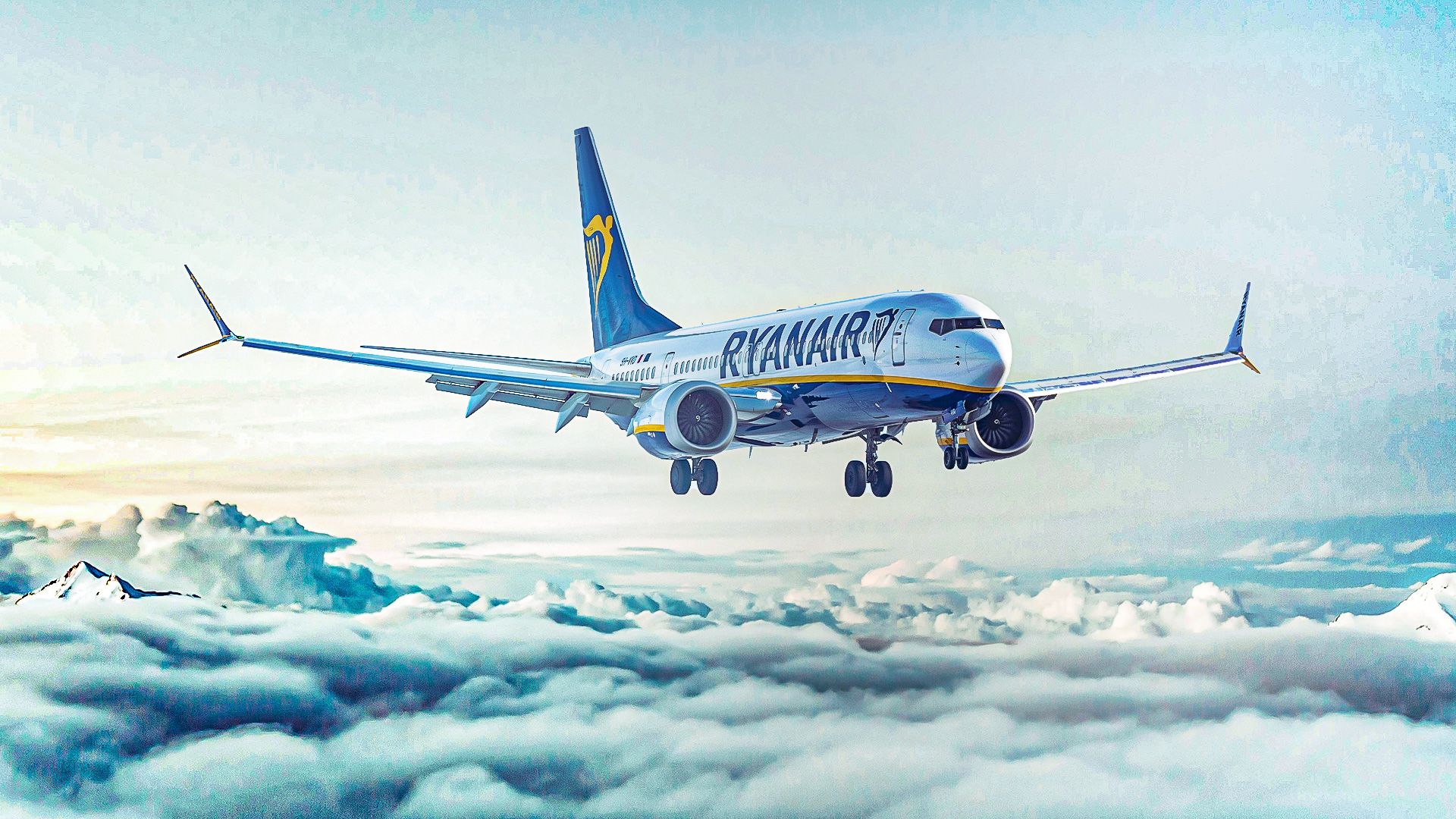
Ryanair is implementing a new paperless boarding pass policy effective **November 12, 2023**. Passengers will no longer have the option to print their boarding passes, as the airline transitions to a fully digital system accessible through the Ryanair app. This change aims to streamline operations and enhance the travel experience, though concerns have been raised about its impact on certain demographics, particularly older travelers.
The airline has stated that almost **80%** of its passengers already use the app for check-in. Ryanair’s Chief Executive, **Michael O’Leary**, emphasized that the switch to digital is designed to improve efficiency. He noted, “Almost 100 percent of passengers have smartphones, and we want to move everybody onto the smartphone technology.” Passengers are advised to check in online ahead of their airport arrival to avoid additional fees, which can range from **$30 to $60**.
Assistance for Passengers Without Access
While many travelers are expected to adapt easily to the digital system, Ryanair recognizes that some may encounter difficulties. Scenarios such as a lost phone or a dead battery could hinder access to a digital boarding pass. In such cases, Ryanair staff will provide assistance and issue a paper boarding pass for free, provided the passenger has checked in online.
In addition, the boarding passes will be accessible offline once check-in is completed, allowing travelers to retrieve them without needing an internet connection. Passengers can find their boarding passes in the ‘My Bookings’ section of the myRyanair app. Notably, exceptions to this new policy include flights from **Morocco** and **Tirana, Albania**, which will still require printed boarding passes.
Impact of Digital Systems on Airlines
Ryanair’s move toward a digital system reflects a broader industry trend that aims to enhance operational efficiency and customer service. By automating check-in and boarding processes, airlines can reduce costs and improve passenger flow. Yet, the reliance on technology is not without risks. Recent incidents, such as **Alaska Airlines** experiencing a nationwide ground stop due to an IT outage, highlight how digital systems can falter.
One of the most significant disruptions occurred in late **2022** when **Southwest Airlines** suffered a massive system failure that led to the cancellation of over **16,900 flights** during the holiday season. These incidents raise concerns about the vulnerabilities that accompany increased digitalization, particularly in light of rising cyber threats. In **September**, several European airports were targeted by cyberattacks that affected check-in and boarding systems, leading to extended delays.
As Ryanair prepares for this transition, it remains committed to assisting passengers throughout the process. The shift to a digital boarding pass system is designed not only to enhance efficiency but also to contribute to environmental sustainability by eliminating approximately **300 tonnes** of paper waste annually. With these changes, Ryanair hopes to maintain its reputation as a leader in low-cost aviation while adapting to the evolving needs of its passengers.

Liverpool Activates Backup Plan as Man City Targets Antoine Semenyo

British Father Drowns in Thailand After Being Swept Away by Waves

TorroFX Set to Transform Trading Landscape with Launch on December 1, 2025

BBC Breakfast’s Sally Nugent Apologizes for News Disruption

Recognize Bowel Cancer Signs During Festive Overindulgence

Marie Helvin Discusses Dating Challenges and Body Confidence at 73

Danny Morrison Reflects on United Ireland, Gerry Adams, and Stormont’s Future

Southampton University and Siemens Collaborate to Advance MEMS Technology

Barcelona’s Deco Highlights Rashford’s Burden at Manchester United

Iconic 90s TV Show House Hits Market for £1.1 Million

Milk Bank Urges Mothers to Donate for Premature Babies’ Health

Alessia Russo Signs Long-Term Deal with Arsenal Ahead of WSL Season

Shoppers Flock to Discounted Neck Pillow on Amazon for Travel Comfort

Museums Body Critiques EHRC Proposals on Gender Facilities

Trump Visits Europe: Business, Politics, or Leisure?

Japanese Teen Sorato Shimizu Breaks U18 100m Record in 10 Seconds

Couple Shares Inspiring Love Story Defying Height Stereotypes

Anglian Water Raises Concerns Over Proposed AI Data Centre
-
 Entertainment2 months ago
Iconic 90s TV Show House Hits Market for £1.1 Million
-
 Lifestyle4 months ago
Milk Bank Urges Mothers to Donate for Premature Babies’ Health
-
 Sports3 months ago
Alessia Russo Signs Long-Term Deal with Arsenal Ahead of WSL Season
-
 Lifestyle4 months ago
Shoppers Flock to Discounted Neck Pillow on Amazon for Travel Comfort
-
 Politics4 months ago
Museums Body Critiques EHRC Proposals on Gender Facilities
-
 Business4 months ago
Trump Visits Europe: Business, Politics, or Leisure?
-
 Lifestyle4 months ago
Japanese Teen Sorato Shimizu Breaks U18 100m Record in 10 Seconds
-
 Politics4 months ago
Couple Shares Inspiring Love Story Defying Height Stereotypes
-
 World4 months ago
Anglian Water Raises Concerns Over Proposed AI Data Centre
-

 Sports4 months ago
Bournemouth Dominates Everton with 3-0 Victory in Premier League Summer Series
-

 World4 months ago
Wreckage of Missing Russian Passenger Plane Discovered in Flames
-

 Lifestyle4 months ago
Shoppers Rave About Roman’s £42 Midi Dress, Calling It ‘Elegant’