
Business
Tax Increases for Solicitors May Lead to Strategic Restructuring

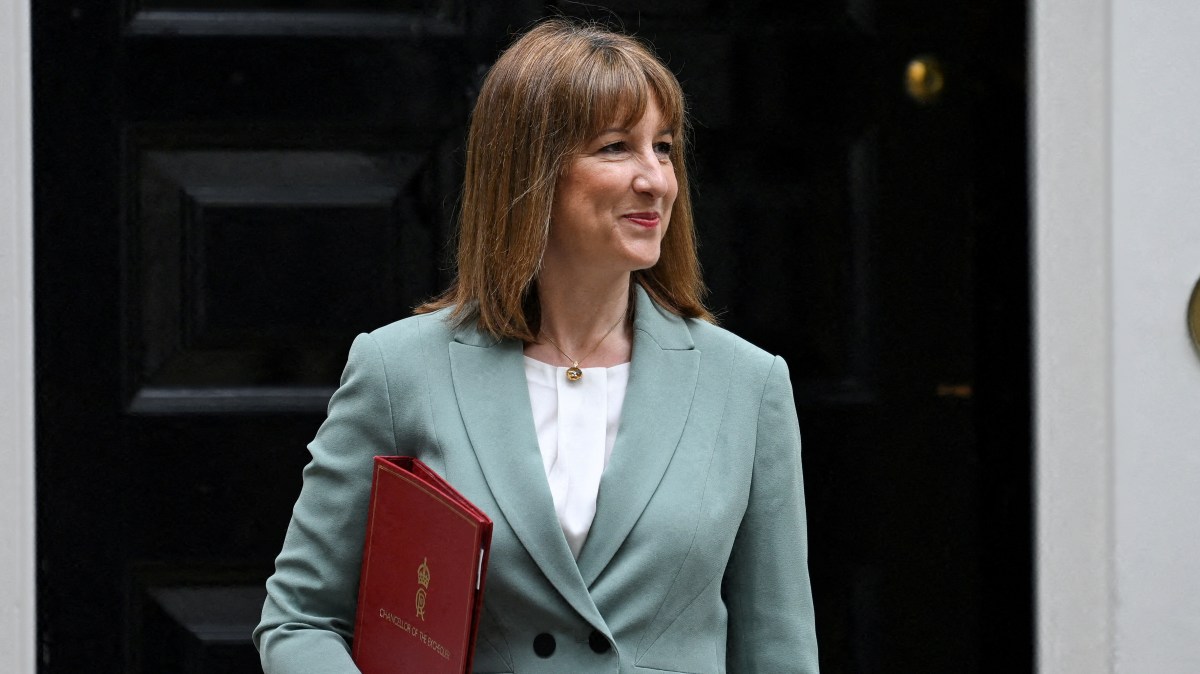
A proposed tax increase targeting solicitors in the United Kingdom could lead to significant changes in the legal profession. Chancellor Rachel Reeves is considering measures to address a £30 billion shortfall in public finances by raising taxes on wealthy lawyers. While this move may appeal to public sentiment, experts warn it could have unintended consequences.
Legal professionals and tax specialists have expressed concerns that the tax hike might prompt many firms to restructure their operations. There is a strong possibility that firms will transition to different business models, such as limited companies, traditional partnerships, or foreign entities, to mitigate the impact of higher taxes. This restructuring could ultimately result in reduced tax revenue for the Treasury.
A key aspect of this issue involves the treatment of partners in Limited Liability Partnerships (LLPs). These partners are classified as self-employed, which exempts them from certain national insurance contributions (NICs) and allows them to pay a lower rate of employee national insurance. This classification has made LLPs increasingly popular; according to the Solicitors Regulation Authority, approximately 16 percent of the more than 9,000 law firms in England and Wales have adopted the LLP structure since it was introduced in 2000.
As the government weighs its options, the potential fallout from these tax increases remains a topic of intense debate. While the public may not sympathize with millionaire lawyers, the long-term implications for the legal sector and public finances could be substantial. If firms successfully navigate to more favorable tax structures, the anticipated boost in government revenue may never materialize.
Legal experts are closely monitoring these developments, emphasizing the need for a balanced approach. They argue that while addressing budget deficits is essential, the government must carefully consider how its decisions will affect the legal landscape. The relationship between tax policy and business structure could define the future of legal practice in the UK.
In conclusion, the proposed tax measures targeting solicitors are indicative of broader financial challenges facing the government. The potential for restructuring among law firms raises critical questions about the sustainability of tax revenue in the years to come. As discussions progress, stakeholders from various sectors will be keen to see how these policy changes unfold and what they mean for the future of legal practice in the UK.

Cattle Showcases Thrive at RUAS Winter Fair 2023

UK and US Strike Zero Tariff Agreement on Pharmaceuticals

Maya Jama Stuns in Strapless Ensemble at Qatar Grand Prix

Russia and Saudi Arabia Launch Visa-Free Travel Agreement

ISOLDE Facility Marks 10 Years of Advancements in Nuclear Research

Voters Demand Resignation of Chancellor Rachel Reeves Over Tax Hikes

Shoppers Save 30% on Marks & Spencer’s Viral Velvet Dress

Health Campaigners Urge End to Smoking Exemption for Lounges

Charity Shop Surprise: Woman Finds Joggers Worth £2,000 for £8

Iconic 90s TV Show House Hits Market for £1.1 Million

Milk Bank Urges Mothers to Donate for Premature Babies’ Health

Alessia Russo Signs Long-Term Deal with Arsenal Ahead of WSL Season

Shoppers Flock to Discounted Neck Pillow on Amazon for Travel Comfort

Museums Body Critiques EHRC Proposals on Gender Facilities

Trump Visits Europe: Business, Politics, or Leisure?

Japanese Teen Sorato Shimizu Breaks U18 100m Record in 10 Seconds

Couple Shares Inspiring Love Story Defying Height Stereotypes

Anglian Water Raises Concerns Over Proposed AI Data Centre
-
 Entertainment2 months ago
Iconic 90s TV Show House Hits Market for £1.1 Million
-
 Lifestyle4 months ago
Milk Bank Urges Mothers to Donate for Premature Babies’ Health
-
 Sports3 months ago
Alessia Russo Signs Long-Term Deal with Arsenal Ahead of WSL Season
-
 Lifestyle4 months ago
Shoppers Flock to Discounted Neck Pillow on Amazon for Travel Comfort
-
 Politics4 months ago
Museums Body Critiques EHRC Proposals on Gender Facilities
-
 Business4 months ago
Trump Visits Europe: Business, Politics, or Leisure?
-
 Lifestyle4 months ago
Japanese Teen Sorato Shimizu Breaks U18 100m Record in 10 Seconds
-
 Politics4 months ago
Couple Shares Inspiring Love Story Defying Height Stereotypes
-
 World4 months ago
Anglian Water Raises Concerns Over Proposed AI Data Centre
-

 Sports4 months ago
Bournemouth Dominates Everton with 3-0 Victory in Premier League Summer Series
-

 World4 months ago
Wreckage of Missing Russian Passenger Plane Discovered in Flames
-

 Lifestyle4 months ago
Shoppers Rave About Roman’s £42 Midi Dress, Calling It ‘Elegant’