
Science
UK Firm Unveils Fusion Breakthrough Promising Limitless Energy

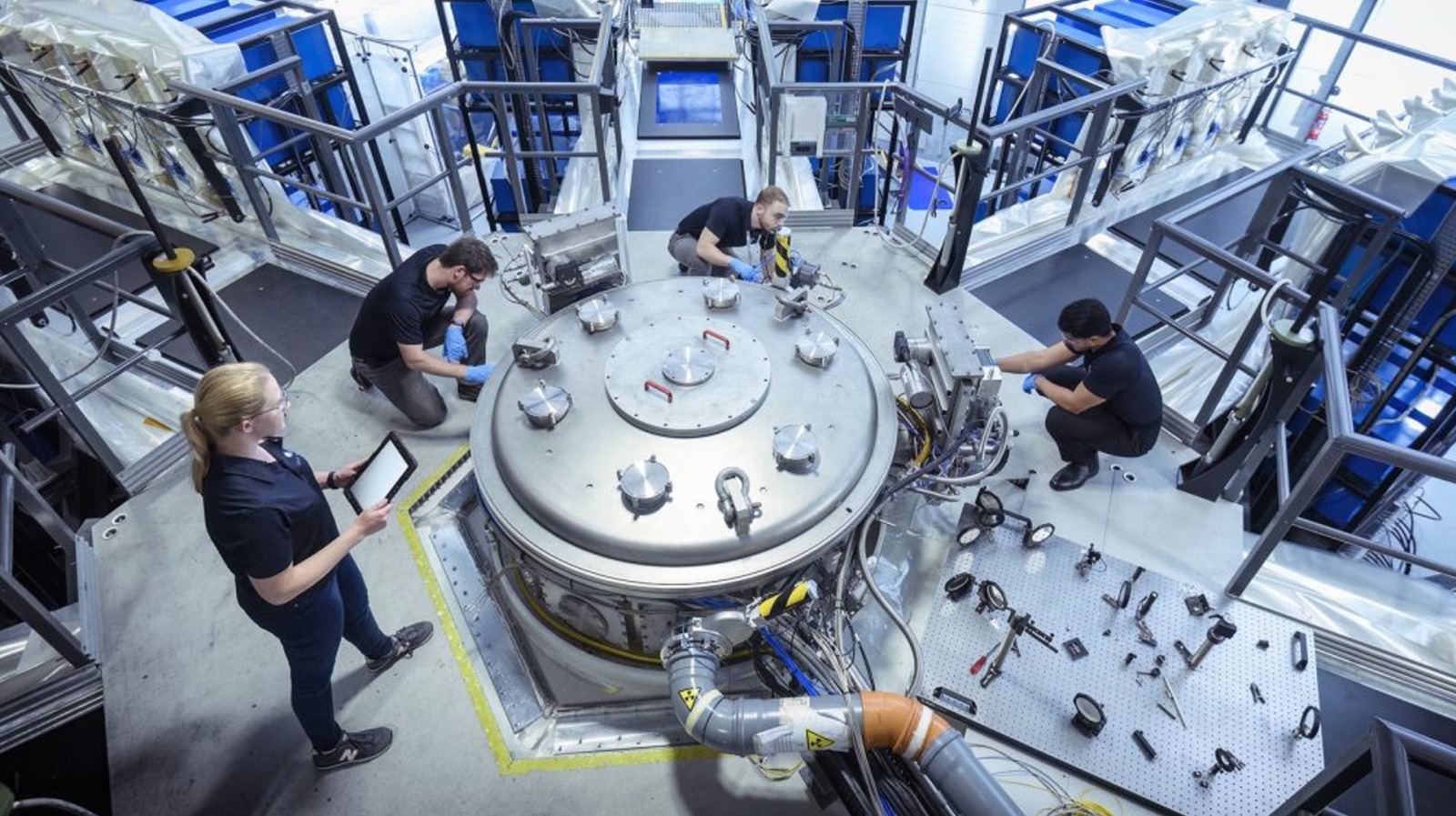
A significant development in fusion energy has emerged from the United Kingdom, where First Light Fusion (FLF) announced a breakthrough that could pave the way for commercially viable fusion reactors. This advancement marks a crucial step toward harnessing near-limitless energy, potentially revolutionizing the global power landscape.
Fusion power relies on the process of nuclear fusion, where two light atomic nuclei combine to form a heavier nucleus, releasing substantial energy. Theoretically, if this energy can be effectively captured and converted into electricity, fusion reactors could provide a sustainable alternative to fossil fuels, significantly reducing greenhouse gas emissions and reliance on coal and gas.
Despite numerous advancements in fusion research, a functional reactor has yet to materialize. The latest achievement by FLF, however, brings the dream of fusion energy closer to reality. The company has successfully developed a method to achieve “high gain” inertial fusion—a milestone not previously accomplished. In fusion terminology, “gain” refers to the generation of more energy from a reaction than is required to initiate it.
FLARE: A New Era in Fusion Technology
The innovative process introduced by First Light Fusion is known as FLARE, which stands for Fusion via Low-power Assembly and Rapid Excitation. This technique has the potential to achieve a gain of up to 1,000, a significant leap from the current maximum of four, as demonstrated by the U.S. Department of Energy’s National Ignition Facility in May 2025.
FLARE separates the compression and heating of fuel into distinct processes. The initial compression generates a surplus of energy through a method termed “fast ignition.” This advancement positions FLF as a pioneer in applying previously theoretical technology to practical use. According to FLF’s white paper, a single kilogram (2.2 lbs.) of fusion fuel holds the equivalent energy potential of approximately 10 million kilograms of coal (22,046,226 lbs.).
Ignition occurs when a small fuel source reaches fusion temperatures—around 100 million kelvin (179,999,540 degrees Fahrenheit)—resulting in a self-sustaining reaction. While achieving such extreme temperatures demands considerable energy, the potential for self-sustaining fusion would outweigh initial costs, leading to a substantial energy gain.
If FLARE operates as theorized, it could enable the establishment of multiple fusion reactors capable of generating enough energy to power the planet. This prospect shifts the narrative from uncertainty to optimism, as ongoing breakthroughs in fusion research continue to drive progress.
The implications of such advancements are profound. A successful transition to fusion energy could not only reduce humanity’s carbon footprint but also transform the global energy economy. As First Light Fusion continues to navigate this complex landscape, the dream of clean, limitless energy edges closer to realization.

Cattle Showcases Thrive at RUAS Winter Fair 2023

UK and US Strike Zero Tariff Agreement on Pharmaceuticals

Maya Jama Stuns in Strapless Ensemble at Qatar Grand Prix

Russia and Saudi Arabia Launch Visa-Free Travel Agreement

ISOLDE Facility Marks 10 Years of Advancements in Nuclear Research

Voters Demand Resignation of Chancellor Rachel Reeves Over Tax Hikes

Shoppers Save 30% on Marks & Spencer’s Viral Velvet Dress

Health Campaigners Urge End to Smoking Exemption for Lounges

Charity Shop Surprise: Woman Finds Joggers Worth £2,000 for £8

Iconic 90s TV Show House Hits Market for £1.1 Million

Milk Bank Urges Mothers to Donate for Premature Babies’ Health

Alessia Russo Signs Long-Term Deal with Arsenal Ahead of WSL Season

Shoppers Flock to Discounted Neck Pillow on Amazon for Travel Comfort

Museums Body Critiques EHRC Proposals on Gender Facilities

Trump Visits Europe: Business, Politics, or Leisure?

Japanese Teen Sorato Shimizu Breaks U18 100m Record in 10 Seconds

Couple Shares Inspiring Love Story Defying Height Stereotypes

Anglian Water Raises Concerns Over Proposed AI Data Centre
-
 Entertainment2 months ago
Iconic 90s TV Show House Hits Market for £1.1 Million
-
 Lifestyle4 months ago
Milk Bank Urges Mothers to Donate for Premature Babies’ Health
-
 Sports3 months ago
Alessia Russo Signs Long-Term Deal with Arsenal Ahead of WSL Season
-
 Lifestyle4 months ago
Shoppers Flock to Discounted Neck Pillow on Amazon for Travel Comfort
-
 Politics4 months ago
Museums Body Critiques EHRC Proposals on Gender Facilities
-
 Business4 months ago
Trump Visits Europe: Business, Politics, or Leisure?
-
 Lifestyle4 months ago
Japanese Teen Sorato Shimizu Breaks U18 100m Record in 10 Seconds
-
 Politics4 months ago
Couple Shares Inspiring Love Story Defying Height Stereotypes
-
 World4 months ago
Anglian Water Raises Concerns Over Proposed AI Data Centre
-

 Sports4 months ago
Bournemouth Dominates Everton with 3-0 Victory in Premier League Summer Series
-

 World4 months ago
Wreckage of Missing Russian Passenger Plane Discovered in Flames
-

 Lifestyle4 months ago
Shoppers Rave About Roman’s £42 Midi Dress, Calling It ‘Elegant’