
Business
Series of Fires Raises Questions About Miliband’s Solar Plans

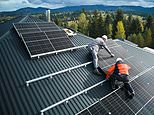
A surge in rooftop fires linked to solar panels has cast doubt on Ed Miliband’s ambitious plans for expanding the UK’s solar energy capacity. Data from insurance company QBE reveals that the number of fires involving solar panels increased by a striking 60 percent over the past two years, raising safety concerns as the government aims for a near fivefold increase in solar capacity by 2035.
Fire services in the UK responded to incidents involving solar panels approximately once every two days in 2024. The total number of recorded fires reached 171, up from 107 in 2022. The increase occurs alongside a rise in installations, with the number of panels on rooftops climbing from 1.3 million to 1.7 million during the same period.
Ed Miliband, the Secretary of State for Energy and Net Zero, is spearheading efforts to boost the UK’s solar capacity from 18 gigawatts to 85 gigawatts. This initiative involves extensive ground-mounted solar farms across various counties, including Devon, Cornwall, Lincolnshire, Norfolk, and Suffolk. Miliband’s Solar Roadmap also incorporates plans to install additional rooftop panels, which have become a focal point for scrutiny following these recent fire incidents.
Adrian Simmonds, a senior risk manager at QBE, highlighted the need for caution. He stated, “Solar is essential to the UK’s clean energy transition, but the rapid pace of deployment is raising risk concerns.” Simmonds emphasized that the rate of fires is outpacing new solar panel installations, making safe installation and maintenance critical.
The primary cause of these fires often stems from inverters, which convert the direct current generated by solar panels into alternating current for the electricity grid. These devices require adequate ventilation and careful placement; if improperly installed in confined spaces such as lofts or cupboards, they can overheat and ignite. Additionally, the use of lithium-ion batteries in modern solar systems introduces further fire risks, as evidenced by a significant fire in Wickford, Essex, in August 2024.
Fires pose a particularly grave risk when they spread from rooftops into the main structure of a home. Proximity to windows or skylights can exacerbate the situation. In a notable incident, a fire destroyed a £1.5 million mansion in Ferndown, Dorset, in May 2024. Video footage showed flames leaping high as firefighters battled the blaze, which ultimately ravaged the first floor and roof.
In light of these safety issues, Simmonds suggested that stricter regulations, enhanced training for installers, and routine inspections could help reduce the fire risk associated with solar panels.
In response to the growing concerns, Solar Energy UK, the industry trade body, asserted that when installed and maintained correctly, the risk of fire is exceedingly low. They emphasized that rooftop solar is an effective way to reduce energy bills, with the potential for families to save around £500 annually.
A spokesperson for the Department for Energy Security and Net Zero reiterated that the overall risk of fire from solar panels remains low, provided the panels are installed by certified professionals.
As the UK pushes forward with its green energy agenda, the safety of solar panel installations will need to be prioritized to ensure public confidence in renewable energy solutions. The National Fire Chiefs Council has been contacted for further comment on the matter.

Marie Helvin Discusses Dating Challenges and Body Confidence at 73

Danny Morrison Reflects on United Ireland, Gerry Adams, and Stormont’s Future

Southampton University and Siemens Collaborate to Advance MEMS Technology

Barcelona’s Deco Highlights Rashford’s Burden at Manchester United

Rolls-Royce Shares Surge 77% in 2025: What’s Next for Investors?

Welsh Ambulance Service Targets Frequent 999 Callers for Support

Welsh Ambulance Service Targets Frequent 999 Callers for Better Care

Bremen’s Marble Imaging Secures €5.3M for Revolutionary Satellites

WNBA and Players Association Secure 40-Day Extension on CBA Talks

Iconic 90s TV Show House Hits Market for £1.1 Million

Milk Bank Urges Mothers to Donate for Premature Babies’ Health

Alessia Russo Signs Long-Term Deal with Arsenal Ahead of WSL Season

Shoppers Flock to Discounted Neck Pillow on Amazon for Travel Comfort

Museums Body Critiques EHRC Proposals on Gender Facilities

Trump Visits Europe: Business, Politics, or Leisure?

Japanese Teen Sorato Shimizu Breaks U18 100m Record in 10 Seconds

Couple Shares Inspiring Love Story Defying Height Stereotypes

Anglian Water Raises Concerns Over Proposed AI Data Centre
-
 Entertainment2 months ago
Iconic 90s TV Show House Hits Market for £1.1 Million
-
 Lifestyle4 months ago
Milk Bank Urges Mothers to Donate for Premature Babies’ Health
-
 Sports3 months ago
Alessia Russo Signs Long-Term Deal with Arsenal Ahead of WSL Season
-
 Lifestyle4 months ago
Shoppers Flock to Discounted Neck Pillow on Amazon for Travel Comfort
-
 Politics4 months ago
Museums Body Critiques EHRC Proposals on Gender Facilities
-
 Business4 months ago
Trump Visits Europe: Business, Politics, or Leisure?
-
 Lifestyle4 months ago
Japanese Teen Sorato Shimizu Breaks U18 100m Record in 10 Seconds
-
 Politics4 months ago
Couple Shares Inspiring Love Story Defying Height Stereotypes
-
 World4 months ago
Anglian Water Raises Concerns Over Proposed AI Data Centre
-

 Sports4 months ago
Bournemouth Dominates Everton with 3-0 Victory in Premier League Summer Series
-

 World4 months ago
Wreckage of Missing Russian Passenger Plane Discovered in Flames
-

 Lifestyle4 months ago
Shoppers Rave About Roman’s £42 Midi Dress, Calling It ‘Elegant’