
Business
Business Leaders Urge Reversal of Reeves’s Exit Tax Proposal

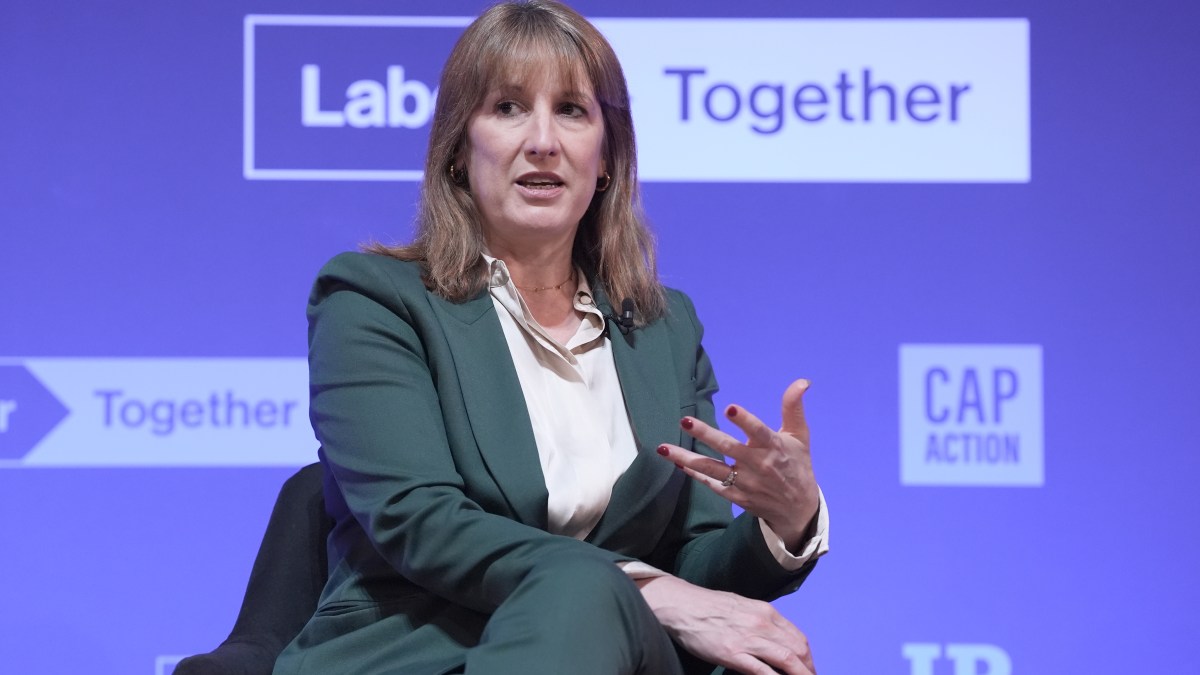
Approximately 150 business leaders have called on the Chancellor of the Exchequer to reconsider the proposed exit tax, warning that the so-called “settling up charge” could deter investment in the United Kingdom. This proposal, introduced by Rachel Reeves, aims to implement a tax on companies that relocate their headquarters outside the UK, impacting their ability to access public funding.
In a letter addressed to the Chancellor, the business leaders expressed concerns that this tax could create an unfavorable business environment, effectively holding entrepreneurs “to ransom.” The letter emphasizes that the potential cost of the exit tax, estimated to reach up to £2 billion, would not only dissuade companies from investing but could also lead to job losses and reduced economic growth.
Concerns Over Investment Climate
The signatories of the letter represent a diverse range of industries, highlighting the broad consensus among business leaders regarding the negative implications of the proposed tax. They argue that imposing such a charge would send a clear message that the UK is not open for business.
The British Business Bank has also weighed in on the matter, stating that the exit tax could undermine the UK’s position as an attractive destination for entrepreneurs and investors. The bank, which plays a crucial role in supporting small and medium-sized enterprises, warned that this policy could hinder innovation and growth in the sector.
According to industry experts, the timing of this proposal could not be worse. With the UK economy still recovering from the impacts of the COVID-19 pandemic, any measures perceived as detrimental to business could exacerbate existing challenges. The letter from business leaders stresses the need for policies that encourage investment rather than deter it.
Potential Repercussions for the Economy
As the government prepares for the upcoming budget discussions, the call to abandon the exit tax reflects a growing concern over the long-term economic strategy. Business leaders are advocating for a collaborative approach that fosters entrepreneurship and attracts foreign investment.
The impact of such a tax could ripple through various sectors, affecting not just large corporations but also small businesses that depend on a thriving economic landscape. Stakeholders are urging the Chancellor to prioritize policies that stimulate growth and create a supportive environment for innovation.
In summary, the proposed exit tax by Rachel Reeves has sparked considerable debate among business leaders in the UK. With a significant number of influential voices opposing the measure, the Chancellor faces mounting pressure to reassess its viability. As the discussion continues, the emphasis remains on fostering a business-friendly climate that encourages investment and drives economic recovery.

Liverpool Activates Backup Plan as Man City Targets Antoine Semenyo

British Father Drowns in Thailand After Being Swept Away by Waves

TorroFX Set to Transform Trading Landscape with Launch on December 1, 2025

BBC Breakfast’s Sally Nugent Apologizes for News Disruption

Recognize Bowel Cancer Signs During Festive Overindulgence

Marie Helvin Discusses Dating Challenges and Body Confidence at 73

Danny Morrison Reflects on United Ireland, Gerry Adams, and Stormont’s Future

Southampton University and Siemens Collaborate to Advance MEMS Technology

Barcelona’s Deco Highlights Rashford’s Burden at Manchester United

Iconic 90s TV Show House Hits Market for £1.1 Million

Milk Bank Urges Mothers to Donate for Premature Babies’ Health

Alessia Russo Signs Long-Term Deal with Arsenal Ahead of WSL Season

Shoppers Flock to Discounted Neck Pillow on Amazon for Travel Comfort

Museums Body Critiques EHRC Proposals on Gender Facilities

Trump Visits Europe: Business, Politics, or Leisure?

Japanese Teen Sorato Shimizu Breaks U18 100m Record in 10 Seconds

Couple Shares Inspiring Love Story Defying Height Stereotypes

Anglian Water Raises Concerns Over Proposed AI Data Centre
-
 Entertainment2 months ago
Iconic 90s TV Show House Hits Market for £1.1 Million
-
 Lifestyle4 months ago
Milk Bank Urges Mothers to Donate for Premature Babies’ Health
-
 Sports3 months ago
Alessia Russo Signs Long-Term Deal with Arsenal Ahead of WSL Season
-
 Lifestyle4 months ago
Shoppers Flock to Discounted Neck Pillow on Amazon for Travel Comfort
-
 Politics4 months ago
Museums Body Critiques EHRC Proposals on Gender Facilities
-
 Business4 months ago
Trump Visits Europe: Business, Politics, or Leisure?
-
 Lifestyle4 months ago
Japanese Teen Sorato Shimizu Breaks U18 100m Record in 10 Seconds
-
 Politics4 months ago
Couple Shares Inspiring Love Story Defying Height Stereotypes
-
 World4 months ago
Anglian Water Raises Concerns Over Proposed AI Data Centre
-

 Sports4 months ago
Bournemouth Dominates Everton with 3-0 Victory in Premier League Summer Series
-

 World4 months ago
Wreckage of Missing Russian Passenger Plane Discovered in Flames
-

 Lifestyle4 months ago
Shoppers Rave About Roman’s £42 Midi Dress, Calling It ‘Elegant’