
Business
Noromega Aims to Replicate China’s Success in Thailand Market

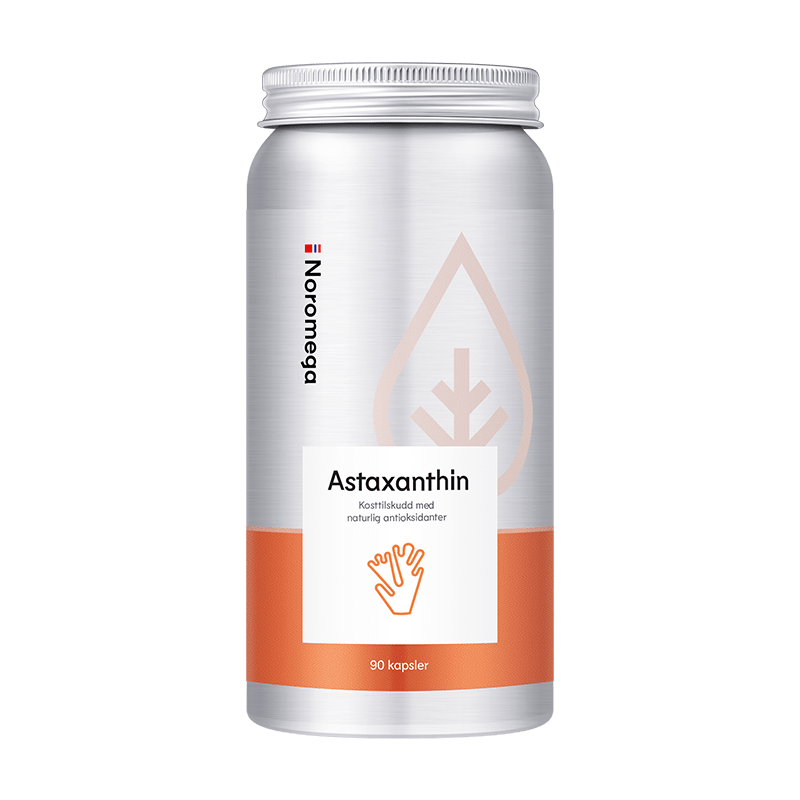
Noromega, a Norwegian health supplement brand, is set to expand its presence in Thailand, aiming to replicate its successful growth in China. Since entering the Chinese market through cross-border e-commerce in 2018, Noromega achieved cumulative sales of USD 100 million last year. The company’s CEO, Derek Liu, attributes this rapid growth largely to the diversification of its sales channels, particularly through livestreaming platforms.
During the Vitafoods Asia 2025 event in Bangkok, Liu emphasized the importance of maximizing sales avenues in China, a market rich with opportunities. “We wanted to expand to as many sales channels as possible because the Chinese market is so big, and there are so many different channels, such as e-commerce platforms like Tmall and social commerce platforms like Douyin,” he explained. The brand’s strategy also included offline retail, highlighting partnerships with popular membership-only supermarkets like Sam’s Club, which operates over 100 outlets in China.
The company has focused on consumer education to increase awareness of health supplements in a market where it remains relatively low. Liu noted that while young consumers are drawn to gummies “for fun,” older consumers typically stick to generic vitamins. Noromega offers a portfolio of more than 20 products, yet its marketing strategy in China has concentrated on a select few, particularly its astaxanthin and omega supplements. Liu pointed out that astaxanthin has become a top seller due to effective livestreaming campaigns showcasing its benefits for skin health.
Strategic Expansion Plans in Thailand
Currently, 80% of Noromega’s revenue in Asia is derived from China, a crucial factor in the company’s ability to invest in new markets. “Our investment fund comes from revenue in China. We have to ensure stable revenue so we can keep investing in other markets,” Liu stated. The brand is now targeting Thailand, Singapore, and Malaysia for further expansion, with Thailand being particularly appealing due to its similarities with the Chinese market.
Liu highlighted that while cultural and spending habits differ slightly, both markets share commonalities such as a variety of sales channels, including pharmacies and supermarkets. “The biggest similarity is the proliferation of e-commerce—Thai consumers use Lazada and Shopee like how Chinese consumers use Tmall and JD.com,” he noted. Additionally, the popularity of social media platforms like TikTok and Instagram in Thailand mirrors that of Douyin and RED in China, providing another avenue for marketing.
Liu expressed confidence in the Thai market, suggesting that local consumers are more informed about supplements and their benefits compared to their Chinese counterparts. At the Vitafoods Asia event, Noromega actively sought distributors to facilitate its entry into Thailand. The response from potential customers, distributors, and influencers has been overwhelmingly positive, indicating strong interest in the brand’s offerings.
As Noromega embarks on this new chapter, the company looks to leverage its successful strategies from China to establish a significant foothold in Thailand, opening up new opportunities in the rapidly growing health supplement sector.

Cattle Showcases Thrive at RUAS Winter Fair 2023

UK and US Strike Zero Tariff Agreement on Pharmaceuticals

Maya Jama Stuns in Strapless Ensemble at Qatar Grand Prix

Russia and Saudi Arabia Launch Visa-Free Travel Agreement

ISOLDE Facility Marks 10 Years of Advancements in Nuclear Research

Voters Demand Resignation of Chancellor Rachel Reeves Over Tax Hikes

Shoppers Save 30% on Marks & Spencer’s Viral Velvet Dress

Health Campaigners Urge End to Smoking Exemption for Lounges

Charity Shop Surprise: Woman Finds Joggers Worth £2,000 for £8

Iconic 90s TV Show House Hits Market for £1.1 Million

Milk Bank Urges Mothers to Donate for Premature Babies’ Health

Alessia Russo Signs Long-Term Deal with Arsenal Ahead of WSL Season

Shoppers Flock to Discounted Neck Pillow on Amazon for Travel Comfort

Museums Body Critiques EHRC Proposals on Gender Facilities

Trump Visits Europe: Business, Politics, or Leisure?

Japanese Teen Sorato Shimizu Breaks U18 100m Record in 10 Seconds

Couple Shares Inspiring Love Story Defying Height Stereotypes

Anglian Water Raises Concerns Over Proposed AI Data Centre
-
 Entertainment2 months ago
Iconic 90s TV Show House Hits Market for £1.1 Million
-
 Lifestyle4 months ago
Milk Bank Urges Mothers to Donate for Premature Babies’ Health
-
 Sports3 months ago
Alessia Russo Signs Long-Term Deal with Arsenal Ahead of WSL Season
-
 Lifestyle4 months ago
Shoppers Flock to Discounted Neck Pillow on Amazon for Travel Comfort
-
 Politics4 months ago
Museums Body Critiques EHRC Proposals on Gender Facilities
-
 Business4 months ago
Trump Visits Europe: Business, Politics, or Leisure?
-
 Lifestyle4 months ago
Japanese Teen Sorato Shimizu Breaks U18 100m Record in 10 Seconds
-
 Politics4 months ago
Couple Shares Inspiring Love Story Defying Height Stereotypes
-
 World4 months ago
Anglian Water Raises Concerns Over Proposed AI Data Centre
-

 Sports4 months ago
Bournemouth Dominates Everton with 3-0 Victory in Premier League Summer Series
-

 World4 months ago
Wreckage of Missing Russian Passenger Plane Discovered in Flames
-

 Lifestyle4 months ago
Shoppers Rave About Roman’s £42 Midi Dress, Calling It ‘Elegant’