
Health
Gynaecologists Offer Essential Guidance on Menopausal Intimate Care

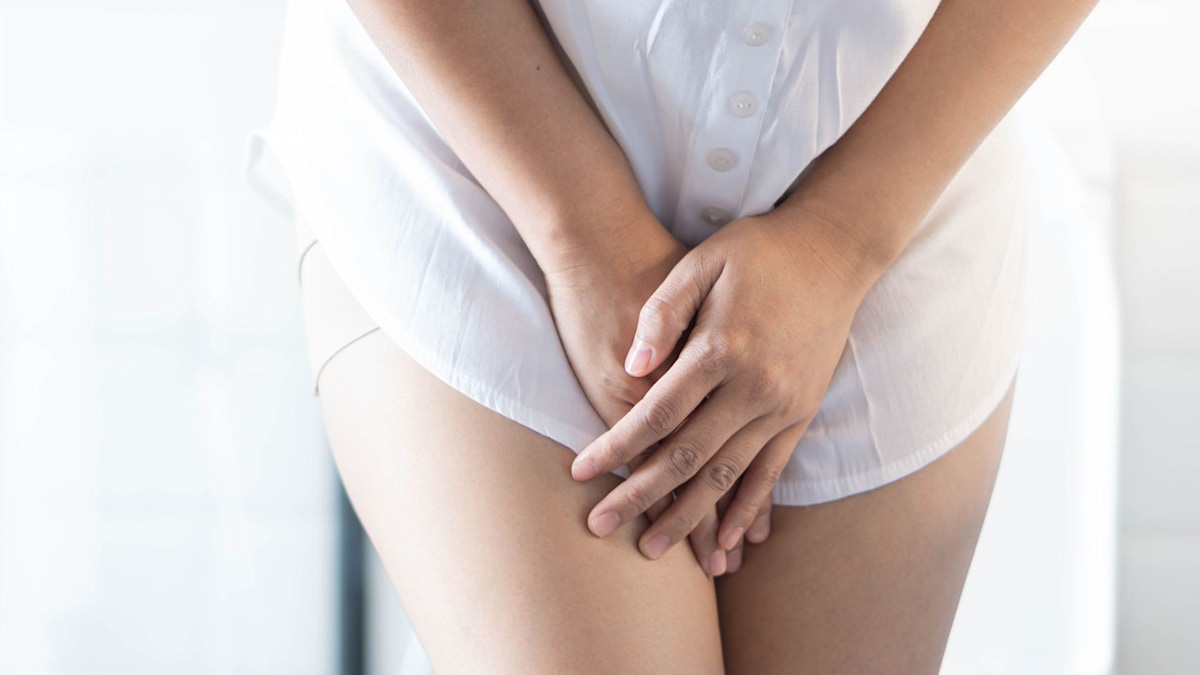
The onset of menopause brings profound changes to a woman’s body, particularly in the intimate area. While symptoms like hot flushes and mood swings receive considerable attention, issues such as increased vaginal dryness and changes in odour often remain unaddressed. Understanding these changes is essential for maintaining both physical health and emotional well-being during this significant life stage.
A decrease in oestrogen levels plays a critical role in these changes. According to gynaecologist Dr. Marta Sánchez-Dehesa, oestrogen is vital for sustaining the balance of the vaginal microbiome. This ecosystem, primarily composed of beneficial bacteria known as lactobacilli, acts as a natural barrier against infections and irritations. As oestrogen levels drop during menopause, glycogen production in vaginal cells is reduced, leading to a decline in lactobacilli. This shift results in a less acidic environment, which facilitates the growth of harmful bacteria and increases the risk of infections.
The thinning of the vaginal epithelium, coupled with decreased lubrication and local immunity, creates a scenario where women may experience physical discomfort. The implications extend beyond physical health; emotional distress and reduced self-esteem often accompany these changes.
Understanding Vaginal Odour Changes
One of the most common concerns during menopause is changes in vaginal odour. Many women notice a shift in their natural scent and may feel self-conscious, even in the absence of infection symptoms. Dr. Sánchez-Dehesa reassures that variations in odour can be normal and are often linked to hormonal fluctuations, dietary changes, and other lifestyle factors.
“When the odour is accompanied by itching, burning, or unusual discharge, then it is advisable to consult a doctor,” she advises. In the absence of these symptoms, changes in odour should not be a cause for alarm. However, the emotional impact of these changes is significant. Many women may retreat from intimacy, leading to further emotional distress.
The cycle can become vicious; increased washing in an attempt to alleviate discomfort can, paradoxically, exacerbate dryness and disrupt the microbiota. It is crucial for women to approach these changes with accurate information and the right support. “Correct intimate care reduces this negative impact,” notes Dr. Sánchez-Dehesa.
Effective Solutions for Menopausal Health
One of the most promising tools for managing intimate health during menopause is the use of probiotics. These beneficial bacteria can enhance comfort, alleviate dryness, and help maintain the vaginal ecosystem’s delicate balance. Dr. Sánchez-Dehesa recommends specific strains such as Lactobacillus crispatus, rhamnosus, and gasseri, which can be administered orally or vaginally based on individual needs.
“By reintroducing these ‘good’ bacteria, we help maintain a healthy pH and strengthen the vagina’s natural defence mechanisms,” she adds. Probiotics can also serve a preventive role, making them a valuable aspect of self-care during menopause.
In addition to probiotics, women should be mindful of their personal care products. Gynaecologists advise avoiding perfumed soaps and using cleansers with a protective pH of around 4. Vaginal douches should also be avoided, as they can disrupt the natural balance. Opting for cotton underwear can help reduce irritation and moisture build-up.
In cases of severe dryness or ongoing discomfort, women may consider vaginal moisturisers or regenerative medicine techniques, such as vaginal laser therapy. These options should be discussed with a specialist who can provide tailored advice based on a comprehensive gynaecological assessment.
Finally, Dr. Belén Gómez emphasizes the importance of “genital awareness”—the ability to recognise sensations and changes in one’s genitals. This awareness can enhance both physical and emotional health.
Understanding the relationship between intimate hygiene and genital awareness can empower women to identify changes that may indicate infection, thereby promoting better health outcomes. Good hygiene practices not only protect against infections but also contribute to overall comfort and confidence in intimate relationships.
Navigating the complexities of menopause requires informed choices and proactive care. With the right knowledge and resources, women can manage the changes in their intimate health effectively and maintain both their physical well-being and emotional resilience during this transformative stage of life.

Marie Helvin Discusses Dating Challenges and Body Confidence at 73

Danny Morrison Reflects on United Ireland, Gerry Adams, and Stormont’s Future

Southampton University and Siemens Collaborate to Advance MEMS Technology

Barcelona’s Deco Highlights Rashford’s Burden at Manchester United

Rolls-Royce Shares Surge 77% in 2025: What’s Next for Investors?

Welsh Ambulance Service Targets Frequent 999 Callers for Support

Welsh Ambulance Service Targets Frequent 999 Callers for Better Care

Bremen’s Marble Imaging Secures €5.3M for Revolutionary Satellites

WNBA and Players Association Secure 40-Day Extension on CBA Talks

Iconic 90s TV Show House Hits Market for £1.1 Million

Milk Bank Urges Mothers to Donate for Premature Babies’ Health

Alessia Russo Signs Long-Term Deal with Arsenal Ahead of WSL Season

Shoppers Flock to Discounted Neck Pillow on Amazon for Travel Comfort

Museums Body Critiques EHRC Proposals on Gender Facilities

Trump Visits Europe: Business, Politics, or Leisure?

Japanese Teen Sorato Shimizu Breaks U18 100m Record in 10 Seconds

Couple Shares Inspiring Love Story Defying Height Stereotypes

Anglian Water Raises Concerns Over Proposed AI Data Centre
-
 Entertainment2 months ago
Iconic 90s TV Show House Hits Market for £1.1 Million
-
 Lifestyle4 months ago
Milk Bank Urges Mothers to Donate for Premature Babies’ Health
-
 Sports3 months ago
Alessia Russo Signs Long-Term Deal with Arsenal Ahead of WSL Season
-
 Lifestyle4 months ago
Shoppers Flock to Discounted Neck Pillow on Amazon for Travel Comfort
-
 Politics4 months ago
Museums Body Critiques EHRC Proposals on Gender Facilities
-
 Business4 months ago
Trump Visits Europe: Business, Politics, or Leisure?
-
 Lifestyle4 months ago
Japanese Teen Sorato Shimizu Breaks U18 100m Record in 10 Seconds
-
 Politics4 months ago
Couple Shares Inspiring Love Story Defying Height Stereotypes
-
 World4 months ago
Anglian Water Raises Concerns Over Proposed AI Data Centre
-

 Sports4 months ago
Bournemouth Dominates Everton with 3-0 Victory in Premier League Summer Series
-

 World4 months ago
Wreckage of Missing Russian Passenger Plane Discovered in Flames
-

 Lifestyle4 months ago
Shoppers Rave About Roman’s £42 Midi Dress, Calling It ‘Elegant’