
Health
Study Uncovers Daily Fluctuations in Brain Activity and Learning

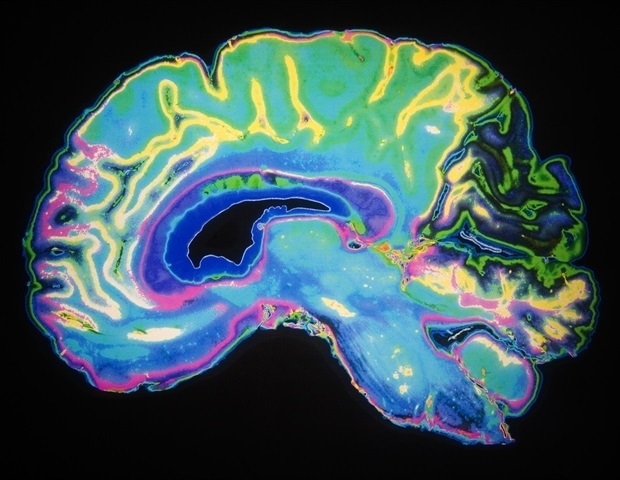
Research from Tohoku University reveals significant daily variations in brain activity and learning potential, shedding light on how neural excitability fluctuates throughout the day. The study, published in Neuroscience Research on October 31, 2025, utilized advanced techniques to assess the impact of the circadian rhythm on neuronal responses in nocturnal rats.
The research team employed optogenetics, a method that allows for the precise control of neuronal activity using light, to stimulate neurons in the visual cortex of the rats. By recording the electrical responses, the researchers discovered that the same neural stimuli elicited different responses depending on the time of day. Specifically, neural activity diminished at sunrise, while it increased at sunset, reflecting the rats’ natural behavior as they prepare for sleep after a night of activity.
To understand the underlying mechanisms, the researchers focused on adenosine, a neuromodulator that accumulates during periods of wakefulness and contributes to feelings of sleepiness. When the action of adenosine was inhibited, the team observed an increase in neural activity at sunrise, indicating that adenosine plays a crucial role in regulating cortical excitability throughout the day.
Professor Ko Matsui noted, “Neural excitability is not constant; it depends on the brain’s internal state.” This finding underscores that even identical neurons can respond differently based on the time, influenced by molecules like adenosine, which connect metabolism, sleep, and neuronal signaling.
Insights into Learning and Memory
The research also explored how the brain’s ability for long-term potentiation (LTP), a key mechanism for learning and memory, varies throughout the day. Surprisingly, repetitive optical stimulation led to a LTP-like enhancement at sunrise, contrary to expectations, given that sleep pressure and fatigue are typically highest at that time. This suggests that while the rats may feel sleepy, their brains are still primed for learning.
Lead investigator Yuki Donen explained, “These results imply that our brains have temporal windows that favor adaptability.” Understanding when the brain is most receptive to change could have meaningful implications for optimizing training, rehabilitation, and stimulation-based therapies.
In humans, who are primarily active during daylight, the opportunity for optimal learning may arise during the twilight period before sunset. This research emphasizes that the brain’s adaptability is not constant but rather follows a daily rhythm, with specific times being more conducive to learning and memory formation.
The study highlights how daily rhythms influence the balance between excitability and plasticity in the cortex. As adenosine levels and sleep pressure adhere to circadian patterns, this mechanism may align brain adaptability with behavioral cycles of rest and activity.
This groundbreaking research not only provides insight into the daily fluctuations of brain chemistry but also enhances our understanding of the coordination between energy use, neural signaling, and learning capacity throughout the day. The findings may pave the way for future studies aimed at optimizing cognitive performance based on the body’s natural rhythms.

Marie Helvin Discusses Dating Challenges and Body Confidence at 73

Danny Morrison Reflects on United Ireland, Gerry Adams, and Stormont’s Future

Southampton University and Siemens Collaborate to Advance MEMS Technology

Barcelona’s Deco Highlights Rashford’s Burden at Manchester United

Rolls-Royce Shares Surge 77% in 2025: What’s Next for Investors?

Welsh Ambulance Service Targets Frequent 999 Callers for Support

Welsh Ambulance Service Targets Frequent 999 Callers for Better Care

Bremen’s Marble Imaging Secures €5.3M for Revolutionary Satellites

WNBA and Players Association Secure 40-Day Extension on CBA Talks

Iconic 90s TV Show House Hits Market for £1.1 Million

Milk Bank Urges Mothers to Donate for Premature Babies’ Health

Alessia Russo Signs Long-Term Deal with Arsenal Ahead of WSL Season

Shoppers Flock to Discounted Neck Pillow on Amazon for Travel Comfort

Museums Body Critiques EHRC Proposals on Gender Facilities

Trump Visits Europe: Business, Politics, or Leisure?

Japanese Teen Sorato Shimizu Breaks U18 100m Record in 10 Seconds

Couple Shares Inspiring Love Story Defying Height Stereotypes

Anglian Water Raises Concerns Over Proposed AI Data Centre
-
 Entertainment2 months ago
Iconic 90s TV Show House Hits Market for £1.1 Million
-
 Lifestyle4 months ago
Milk Bank Urges Mothers to Donate for Premature Babies’ Health
-
 Sports3 months ago
Alessia Russo Signs Long-Term Deal with Arsenal Ahead of WSL Season
-
 Lifestyle4 months ago
Shoppers Flock to Discounted Neck Pillow on Amazon for Travel Comfort
-
 Politics4 months ago
Museums Body Critiques EHRC Proposals on Gender Facilities
-
 Business4 months ago
Trump Visits Europe: Business, Politics, or Leisure?
-
 Lifestyle4 months ago
Japanese Teen Sorato Shimizu Breaks U18 100m Record in 10 Seconds
-
 Politics4 months ago
Couple Shares Inspiring Love Story Defying Height Stereotypes
-
 World4 months ago
Anglian Water Raises Concerns Over Proposed AI Data Centre
-

 Sports4 months ago
Bournemouth Dominates Everton with 3-0 Victory in Premier League Summer Series
-

 World4 months ago
Wreckage of Missing Russian Passenger Plane Discovered in Flames
-

 Lifestyle4 months ago
Shoppers Rave About Roman’s £42 Midi Dress, Calling It ‘Elegant’