
Science
Ancient DNA Study Reveals Cats Entered Europe 2,000 Years Ago

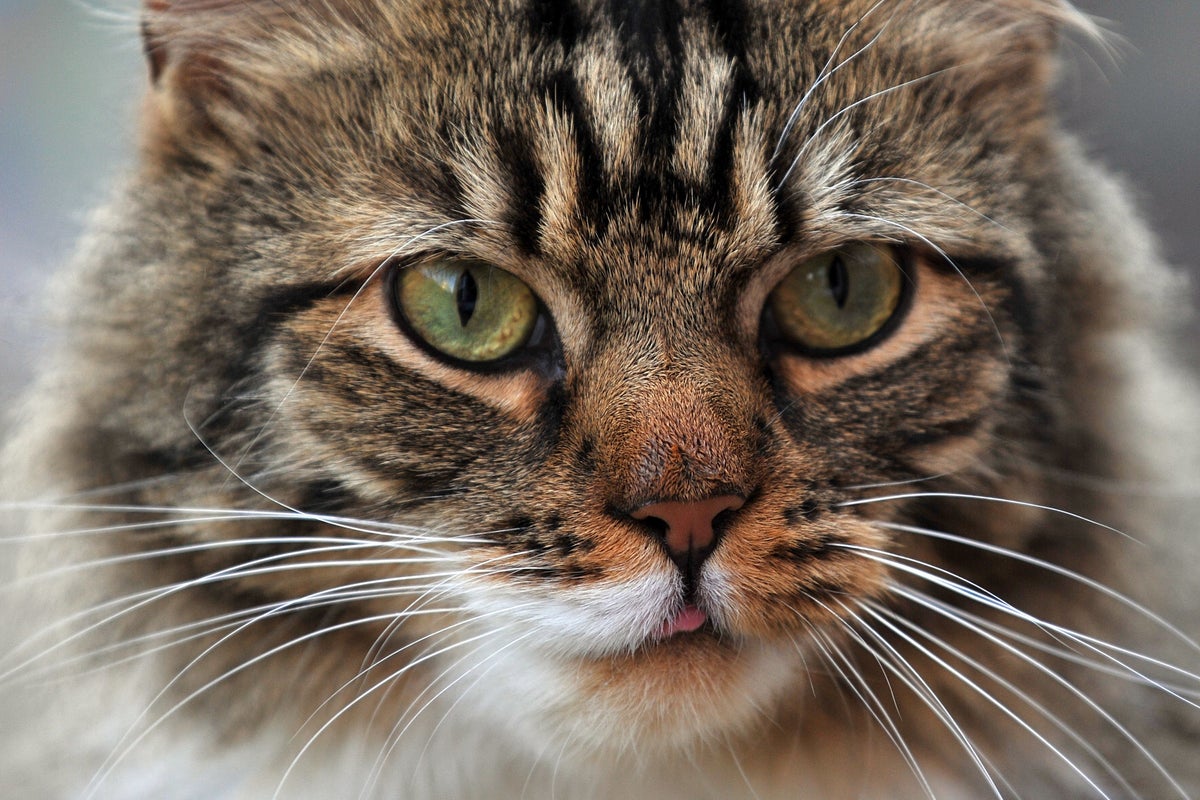
The origins of domestic cats, which have become beloved companions across the globe, have long puzzled scientists. A new study of ancient DNA offers significant insights, revealing that domestic cats were introduced to Europe approximately 2,000 years ago, during the early Roman imperial era. This groundbreaking research suggests that the integration of cats into human society occurred much later than previously thought.
The study, published in the journal Science, was led by paleogeneticist Claudio Ottoni from the University of Rome Tor Vergata. It analyzed genetic data from feline remains across 97 archaeological sites in Europe and the Near East and included DNA from both ancient and contemporary cats. Researchers examined 225 bones dating from around 10,000 years ago to the 19th century, successfully generating 70 ancient feline genomes.
Previous theories posited that cats were domesticated in Europe as early as 6,000 to 7,000 years ago, with farmers from the Near and Middle East believed to have introduced them as they migrated westward. However, the latest findings contradict this, indicating that the earliest domestic cat genomes in Europe are traced back to the Roman imperial period, starting in the first century AD.
Maritime Trade and Cat Migration
The introduction of domestic cats into Europe is closely linked to the rise of maritime trade. As grain was shipped from Egypt’s fertile lands to bustling Roman ports, some sailors likely brought cats aboard to control rodent populations. This transportation method facilitated the cats’ spread across the Mediterranean.
Paleogeneticist Marco De Martino, a co-author of the study, emphasized the importance of this introduction. “Cats aren’t just another species arriving on a new continent. They’re an animal that became deeply integrated into human societies, economies, and even belief systems,” he stated.
The research reveals that there were two distinct introductions of cats from North Africa to Europe. The first occurred roughly 2,200 years ago, when wildcats were brought to the island of Sardinia. However, these early arrivals were not domesticated. A separate introduction occurred about 200 years later, which established the genetic foundation of modern domestic cats in Europe.
According to zooarchaeologist Bea De Cupere of the Royal Belgian Institute of Natural Sciences, the timing of these cat migrations aligns with periods of intensified trade throughout the Mediterranean. Cats likely served not only as practical rodent hunters but also held significant cultural and religious value. In ancient Egypt, for instance, cats were revered, with deities associated with felines and royal households keeping them as pets.
Evidence from Archaeological Sites
The Roman army played a pivotal role in the dissemination of domestic cats across Europe. Remains have been uncovered at various Roman military camps, providing evidence of their widespread presence during this period. The earliest identified domestic cat in the study, genetically similar to today’s domestic breeds, dates from between 50 BC and 80 AD and was discovered in Mautern, Austria, a site of a Roman fort along the Danube River.
While the study effectively details the introduction of domestic cats to Europe, it does not clarify the specifics of their initial domestication. “Cat domestication is complex,” Ottoni noted. “What we can tell now is the timing of the introduction of domestic cats to Europe from North Africa. We can’t really say much about what happened before and where.”
This research significantly reshapes our understanding of the relationship between humans and domestic cats throughout history. As these findings gain traction, they deepen our appreciation for the enigmatic journey of one of humanity’s most cherished companions.

Marie Helvin Discusses Dating Challenges and Body Confidence at 73

Danny Morrison Reflects on United Ireland, Gerry Adams, and Stormont’s Future

Southampton University and Siemens Collaborate to Advance MEMS Technology

Barcelona’s Deco Highlights Rashford’s Burden at Manchester United

Rolls-Royce Shares Surge 77% in 2025: What’s Next for Investors?

Welsh Ambulance Service Targets Frequent 999 Callers for Support

Welsh Ambulance Service Targets Frequent 999 Callers for Better Care

Bremen’s Marble Imaging Secures €5.3M for Revolutionary Satellites

WNBA and Players Association Secure 40-Day Extension on CBA Talks

Iconic 90s TV Show House Hits Market for £1.1 Million

Milk Bank Urges Mothers to Donate for Premature Babies’ Health

Alessia Russo Signs Long-Term Deal with Arsenal Ahead of WSL Season

Shoppers Flock to Discounted Neck Pillow on Amazon for Travel Comfort

Museums Body Critiques EHRC Proposals on Gender Facilities

Trump Visits Europe: Business, Politics, or Leisure?

Japanese Teen Sorato Shimizu Breaks U18 100m Record in 10 Seconds

Couple Shares Inspiring Love Story Defying Height Stereotypes

Anglian Water Raises Concerns Over Proposed AI Data Centre
-
 Entertainment2 months ago
Iconic 90s TV Show House Hits Market for £1.1 Million
-
 Lifestyle4 months ago
Milk Bank Urges Mothers to Donate for Premature Babies’ Health
-
 Sports3 months ago
Alessia Russo Signs Long-Term Deal with Arsenal Ahead of WSL Season
-
 Lifestyle4 months ago
Shoppers Flock to Discounted Neck Pillow on Amazon for Travel Comfort
-
 Politics4 months ago
Museums Body Critiques EHRC Proposals on Gender Facilities
-
 Business4 months ago
Trump Visits Europe: Business, Politics, or Leisure?
-
 Lifestyle4 months ago
Japanese Teen Sorato Shimizu Breaks U18 100m Record in 10 Seconds
-
 Politics4 months ago
Couple Shares Inspiring Love Story Defying Height Stereotypes
-
 World4 months ago
Anglian Water Raises Concerns Over Proposed AI Data Centre
-

 Sports4 months ago
Bournemouth Dominates Everton with 3-0 Victory in Premier League Summer Series
-

 World4 months ago
Wreckage of Missing Russian Passenger Plane Discovered in Flames
-

 Lifestyle4 months ago
Shoppers Rave About Roman’s £42 Midi Dress, Calling It ‘Elegant’