
Business
Stoke-on-Trent to Boost Spending Power by £77.7 Million by 2028

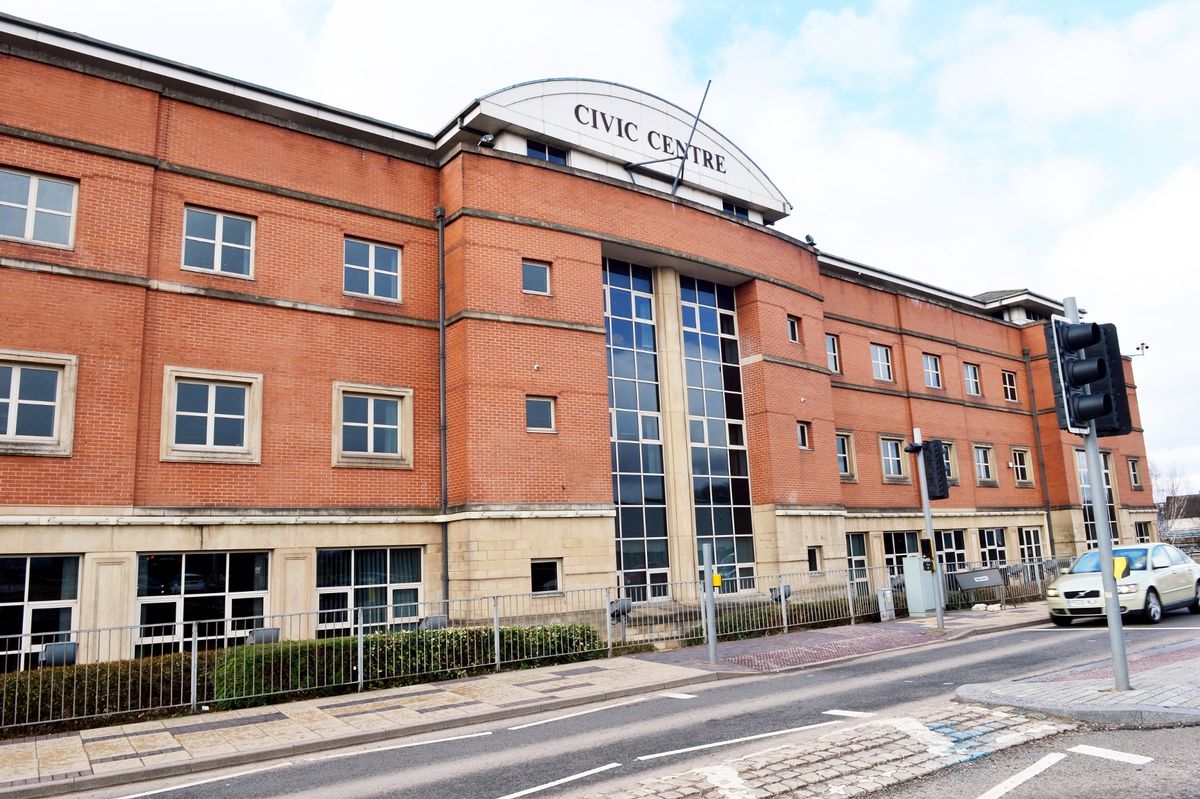
Stoke-on-Trent City Council is set to enhance its spending power by nearly £77.7 million by 2028, following an announcement from the government regarding provisional finance settlements. This increase reflects a 25.1 percent rise in core spending power compared to the fiscal year 2024/25. Core spending power encompasses the total funding available for local council services, including government grants.
A significant portion of this increase, amounting to £32.9 million, will derive from anticipated council tax hikes. The government’s calculations are based on the assumption that local authorities will approve the maximum allowable tax increase annually.
Government’s Funding Strategy and Local Impact
The Labour government has introduced multi-year settlements and a streamlined funding system designed to direct resources towards areas of greater need. Stoke-on-Trent ranks among the top 10 percent of the most deprived areas in the UK, having received £59 million in emergency bailout loans over the past three years, primarily due to escalating costs in children’s services.
Council leader Jane Ashworth expressed her support for the funding announcement, stating, “This settlement shows the difference a Labour government makes. After 14 years of Tory austerity, this settlement brings more money to our city.” She emphasized the need for equitable distribution of resources, noting that Stoke-on-Trent deserves support over more affluent regions.
Despite the positive news for Stoke-on-Trent, other local authorities are experiencing even larger increases in their spending power. For instance, Luton is set to see a remarkable 63.4 percent increase, while Enfield and Derby will experience increases of 58.2 percent and 46.8 percent, respectively.
Political Responses and Future Budget Considerations
In addition, Staffordshire County Council anticipates a core spending power increase of £159.4 million, translating to a 21.2 percent rise. This increase also includes a substantial £128.4 million from potential council tax raises.
Local Member of Parliament Allison Gardner, representing parts of Staffordshire, highlighted the significance of this funding boost, stating, “This £237 million investment is a major boost for Stoke-on-Trent and Staffordshire and shows the difference a Labour government makes.” She criticized previous Conservative funding decisions, claiming they drained resources from the area.
While councils’ core spending power is rising, they continue to face heightened operational costs related to increased demand for services, particularly in social care, as well as necessary pay raises for staff.
Both the city and county councils are expected to release their budget proposals for the fiscal year 2026/27, including any potential council tax increases, early in January. This upcoming budget process will be closely monitored by local residents, given the financial pressures many councils face.
The recent funding announcements mark a pivotal moment for Stoke-on-Trent and signal a shift in governmental support aimed at addressing long-standing inequalities in funding distribution across England.

Cheltenham Town Aims for EFL Win Against Barrow This Evening

Rasmus Hojlund Shines as Napoli Advances to Supercoppa Final

Former Minister Elena Whitham Resigns Amid Security Threat

Royal Mail Warns of Delivery Delays for 118 UK Postcodes Before Christmas

Fiona Apple Launches Limited Edition Vinyl of Protest Song

Surge in Demand for Scrotum Filler Procedures Raises Eyebrows

Language and Identity: Debates Intensify in Montenegro

Early Testing of Schoolchildren Found Ineffective, Study Reveals

Ipswich Town and Norwich City Struggle with Striker Woes

Iconic 90s TV Show House Hits Market for £1.1 Million

Milk Bank Urges Mothers to Donate for Premature Babies’ Health

Alessia Russo Signs Long-Term Deal with Arsenal Ahead of WSL Season

Shoppers Flock to Discounted Neck Pillow on Amazon for Travel Comfort

Museums Body Critiques EHRC Proposals on Gender Facilities

Trump Visits Europe: Business, Politics, or Leisure?

Japanese Teen Sorato Shimizu Breaks U18 100m Record in 10 Seconds

Couple Shares Inspiring Love Story Defying Height Stereotypes

Nathan Cleary’s Family Celebrates Engagement Amid Romance Rumors
-
 Entertainment3 months ago
Iconic 90s TV Show House Hits Market for £1.1 Million
-
 Lifestyle5 months ago
Milk Bank Urges Mothers to Donate for Premature Babies’ Health
-
 Sports4 months ago
Alessia Russo Signs Long-Term Deal with Arsenal Ahead of WSL Season
-
 Lifestyle5 months ago
Shoppers Flock to Discounted Neck Pillow on Amazon for Travel Comfort
-
 Politics5 months ago
Museums Body Critiques EHRC Proposals on Gender Facilities
-
 Business5 months ago
Trump Visits Europe: Business, Politics, or Leisure?
-
 Lifestyle5 months ago
Japanese Teen Sorato Shimizu Breaks U18 100m Record in 10 Seconds
-
 Politics5 months ago
Couple Shares Inspiring Love Story Defying Height Stereotypes
-
 Sports5 months ago
Nathan Cleary’s Family Celebrates Engagement Amid Romance Rumors
-

 World5 months ago
Anglian Water Raises Concerns Over Proposed AI Data Centre
-

 Sports5 months ago
Bournemouth Dominates Everton with 3-0 Victory in Premier League Summer Series
-

 World5 months ago
Wreckage of Missing Russian Passenger Plane Discovered in Flames